
Feb 28, 2026
What are the causes and mechanisms of sand adhesion to malleable iron parts?
Detailed Explanation of the Causes, Process Control, and Fastener Characteristics of Sand Adhesion Defects in Malleable Iron Parts
Sand adhesion in malleable iron parts is a typical casting defect caused by the penetration and wetting of molten metal during the production process. Its mechanism is complex, essentially stemming from the disruption of the dynamic balance between the mold interface and the molten metal. This imbalance of dynamic pressure, static pressure, friction, and capillary force at the interface ultimately leads to the molten metal intruding into the molding sand or coating, forming a difficult-to-clean sand adhesion defect. As one of the most common defects in malleable iron casting, and one that most significantly affects appearance and performance, sand adhesion directly impacts product yield, subsequent processing costs, and overall performance.
Especially in negative pressure solid plastic casting processes, the simultaneous presence of vacuum suction and high-temperature rapid pouring significantly enhances the flow properties and penetration ability of the molten metal, far exceeding that of traditional sand casting. Under the influence of vacuum suction, the molten metal more easily penetrates the protective coating and deeply penetrates the mold, thus significantly increasing the incidence of sand adhesion defects. Therefore, in the pouring stage of negative pressure casting, strict control of various process parameters is essential, with particular attention to the following aspects:
- Vacuum degree and molding sand density control. Excessive vacuum enhances the penetration tendency of molten metal, while insufficient density and loose structure of the molding sand near the pattern provide channels for molten metal intrusion. The combined effect of these two factors easily leads to large-area sand adhesion.
- Reasonable setting of pouring temperature. Excessively high pouring temperature reduces the viscosity of the molten metal, increases its fluidity, and intensifies its erosion of the coating and molding sand, thus significantly increasing the risk of sand adhesion.
- Quality and uniformity of the protective coating. Insufficient coating thickness, uneven application, and localized weak points will directly compromise its barrier effect against molten metal. Especially when using iron balls as the forming material, due to their low refractoriness, sand adhesion problems are more pronounced in areas with large flat surfaces, internal holes, dead corners, and significant differences in wall thickness in malleable iron parts. Due to the unique characteristics of advanced casting processes such as negative pressure molding and dry sand molding, defects such as metal penetration and sand adhesion are more pronounced and severe. In actual production, the problem of sand adhesion in some complex malleable iron parts has long been difficult to resolve reliably, increasing cleaning difficulty and rework costs, and significantly hindering continuous and large-scale production.
Therefore, the industry has conducted extensive and systematic research on metal penetration defects in malleable iron parts cast using ordinary sand molds. Researchers have quantitatively analyzed and calculated various external forces affecting metal penetration during sand casting, clarifying the influence weight of each factor. Based on this, they proposed an important criterion for metal penetration defects—the metal penetration coefficient—providing a theoretical basis for defect prediction and process optimization. Simultaneously, the industry has also focused on researching and solving the problem of excessive porosity inside the sand mold and metal penetration caused by porosity rupture. Regarding the high-temperature failure mechanism of coatings, research shows that the physical dissolution and chemical erosion of the coating by liquid metal, as well as the thermal stress damage caused by the difference in thermophysical properties between the pattern material and the coating, are the two main causes of coating cracking and failure at high temperatures. Related porosity defects have also been effectively improved. The coatings used in negative pressure full-mold casting differ significantly from those used in traditional ordinary sand casting in two aspects of structure and function:
- Different contact methods. Negative pressure full-mold casting coatings only form point contact with the molding sand, relying on surface adhesion for protection; while ordinary sand casting coatings can penetrate to a certain depth into the sand mold, forming a "nail-like" structure after drying and curing, tightly interlocking with the sand particles and achieving higher bonding strength.
- Different external support environments. The coating in negative pressure full-mold casting is made of pure dry sand, containing no binder and lacking rigid support, thus requiring higher strength, high-temperature resistance, and impermeability of the coating itself.
In recent years, with the rapid development of industries such as engineering machinery, construction, and pipelines, the market demand and application scale of malleable iron components have continued to expand. As key basic components in engineering machinery, construction scaffolding, and pipeline systems, malleable iron components and steel fasteners play a crucial role. However, in practical applications, many on-site construction workers and procurement personnel lack in-depth understanding of the performance characteristics and material advantages of steel fasteners. Most only grasp the concept of "essential and must-use," lacking a clear understanding of their core advantages such as safety performance, durability, corrosion resistance, and maintenance costs. The following will provide a detailed introduction to the main characteristics and application value of malleable iron fasteners.
Steel fasteners are core components ensuring the safe and stable operation of engineering machinery, construction scaffolding, and pipeline systems. They are directly related to the safety of on-site personnel and the normal operation of equipment, serving as crucial foundational components for protecting lives and ensuring reliable equipment operation. These products possess advantages such as low cost, convenient installation, critical function, and irreplaceability, making them indispensable general-purpose components in various engineering constructions. Different models and specifications of steel fasteners differ significantly in structural design, mechanical properties, and applicable scenarios. Their tensile strength, anti-slip performance, and impact resistance also vary. In actual engineering projects, flexible selection based on load, environment, and usage conditions is possible to maximize efficiency and safety.
The most prominent advantages of malleable iron fasteners lie in two main aspects: safety and long-term durability. In terms of safety and anti-slip performance, malleable iron fasteners can achieve a tight fit and effective engagement with steel pipes and components, preventing slippage, loosening, or displacement even under stress, vibration, and long-term use, significantly improving the stability and safety of the overall structure. Regarding corrosion resistance and maintenance, high-quality malleable iron fasteners generally employ a double anti-corrosion treatment of galvanizing and passivation, resulting in strong rust resistance and a dense, stable surface. They can be used for extended periods in complex environments such as outdoors, in humidity, and in acidic or alkaline conditions without easily rusting, corroding, or breaking. Their excellent durability significantly extends their service life, requiring almost no frequent maintenance or replacement in the later stages of construction, significantly reducing subsequent maintenance costs and labor input, and bringing higher overall economic benefits to engineering projects.
Online Message
YOU MAY LIKE
High quality furniture manufacturer
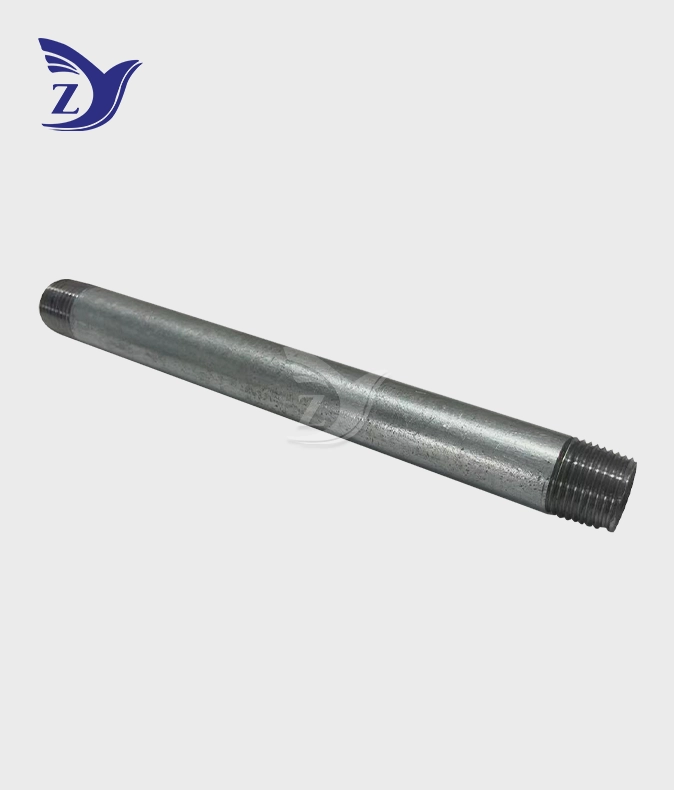
Carbon Steel Pipe Male Threaded Fittings Hot Dip Galvanized
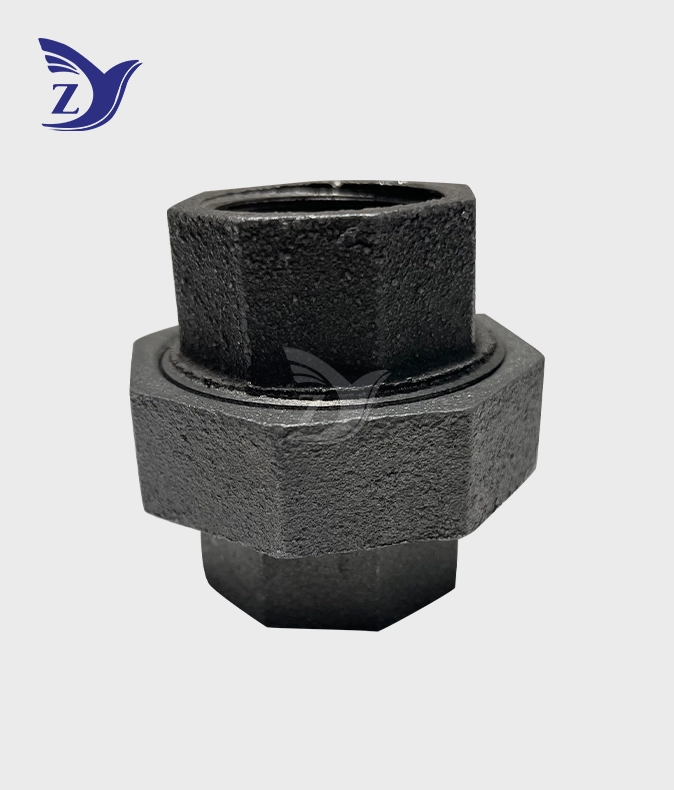
NPT Black Union 330 Pipe Fittings
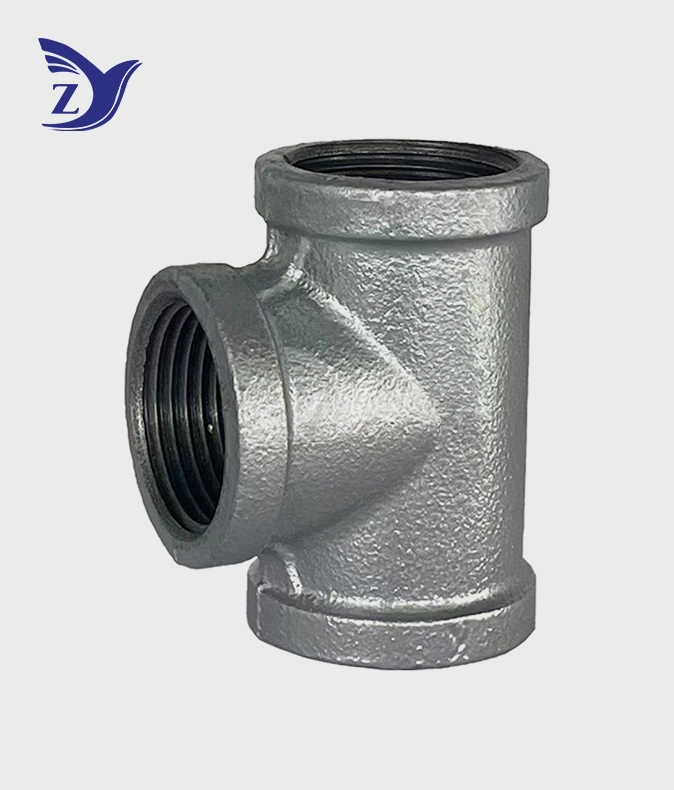
NPT Square Face Galvanized Square Edge Straight Tee Pipe Fittings
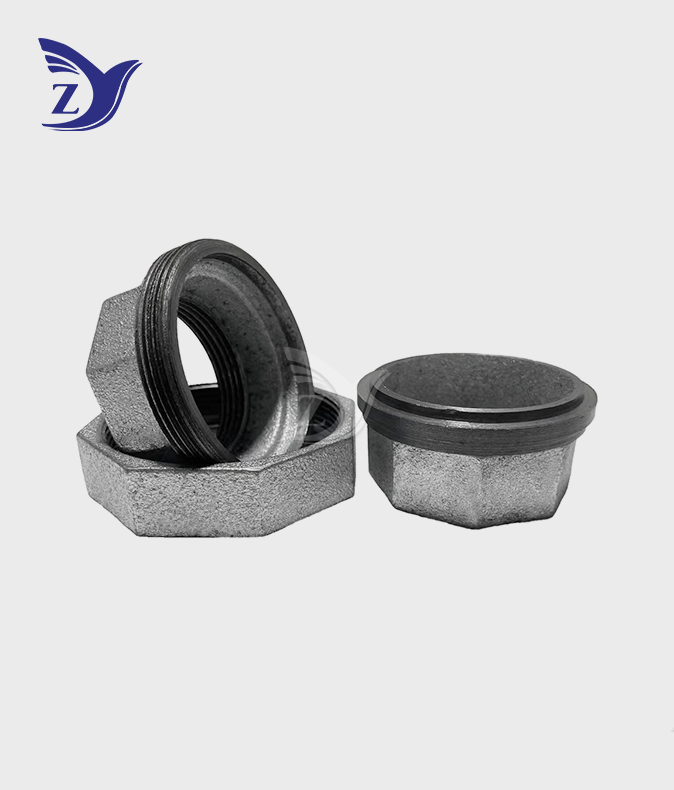
NPT Galvanized Union 330 Pipe Fittings
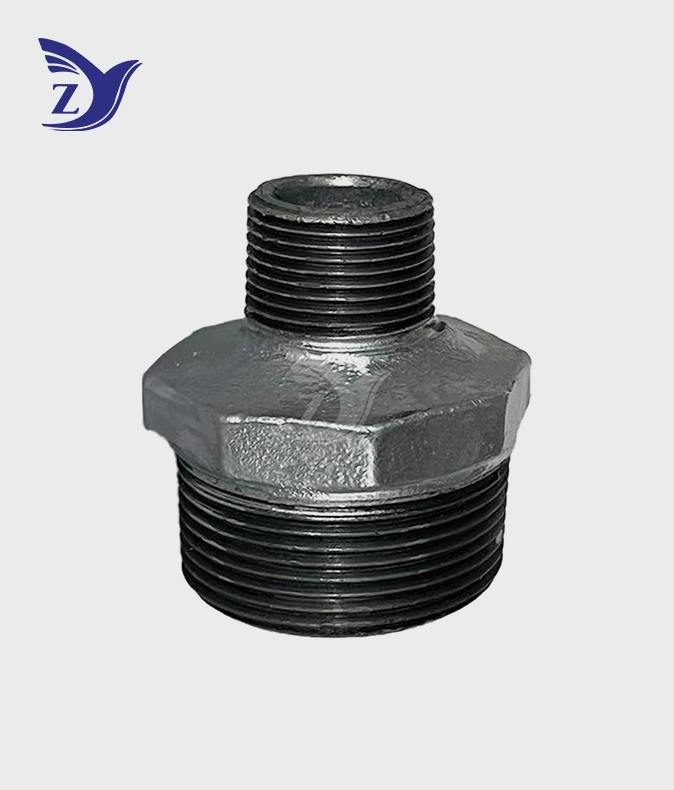
NPT Galvanized Reducing Male Nipple Pipe Fittings
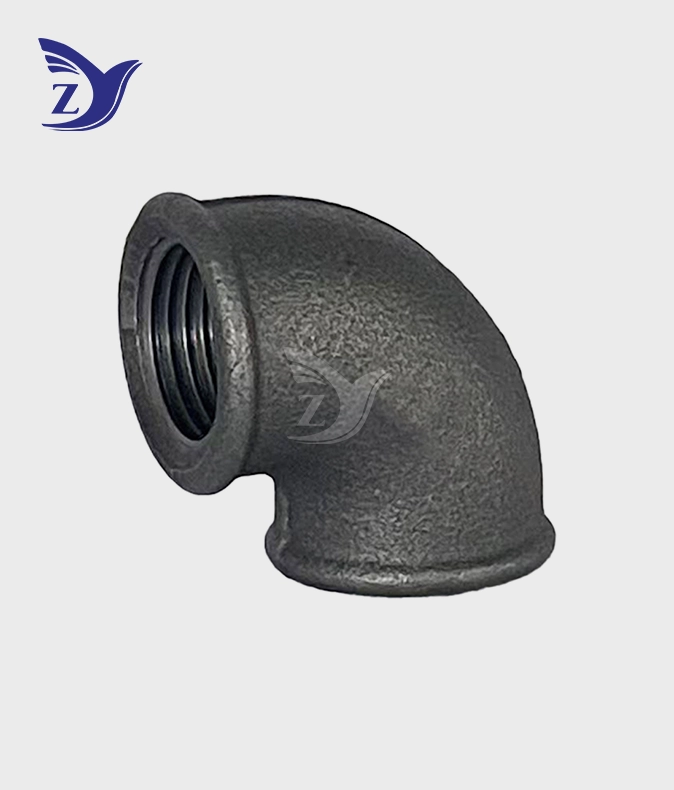
NPT Black Round Face 90° Elbow Pipe Fittings
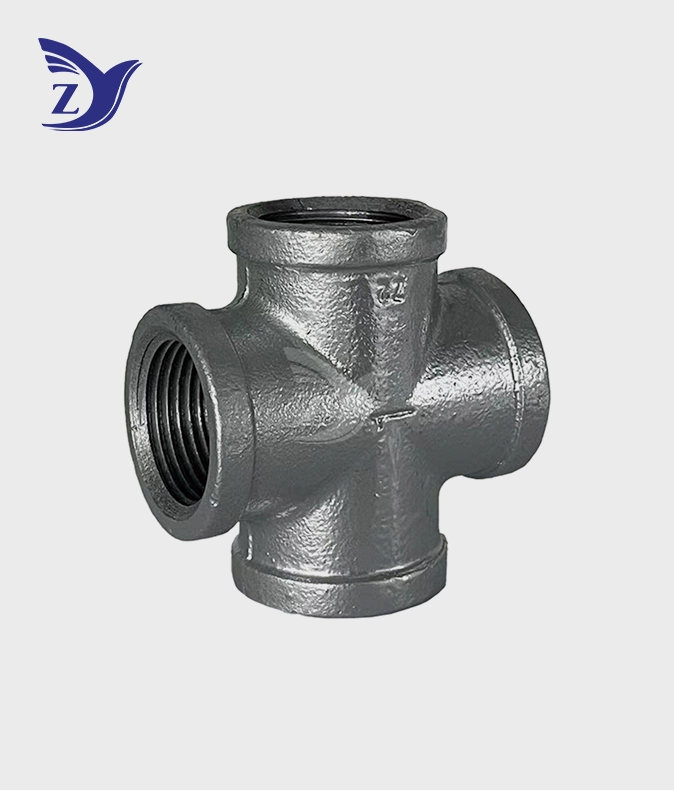
NPT Square Face Galvanized Square Edge Cross Pipe Fittings
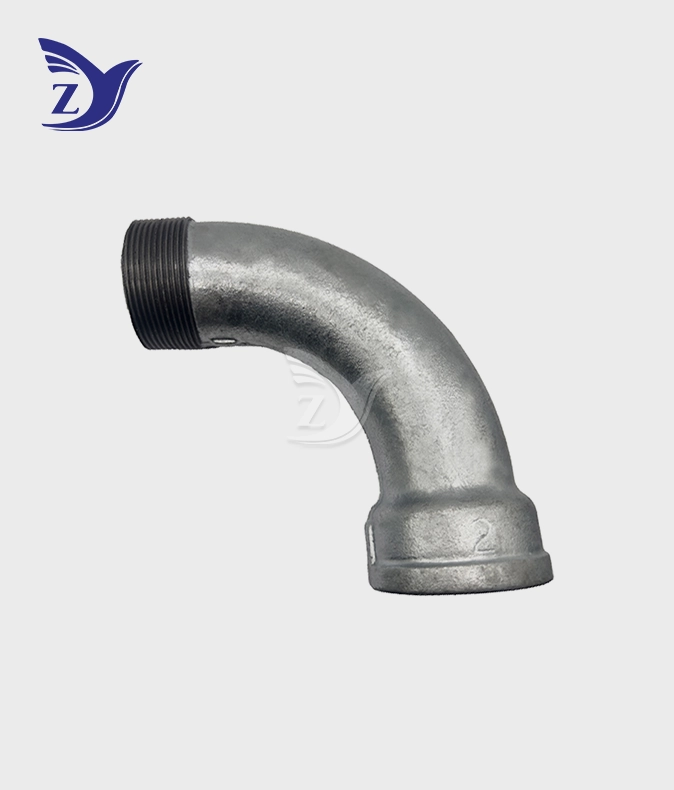
BSPT Galvanized Male Female 90° Long Radius Elbow Pipe Fittings