
May 16, 2026
Should square edge elbows be at a 90-degree angle?
In order to work properly, square face galvanized 90° square edge elbow pipe fittings should always be at a 90-degree angle. This standard makes sure that fluid flow patterns are always the same, that pressure is spread out evenly, and that pipes are lined up correctly. The strengthened square edge design, which is also called banded construction, works with the 90-degree shape to make the structure more stable during high-torque installation. Any change from this angle can make the seals less effective, cause the fluid to move more unevenly, and cause the system to fail early, especially in high-pressure industrial and fire protection settings.
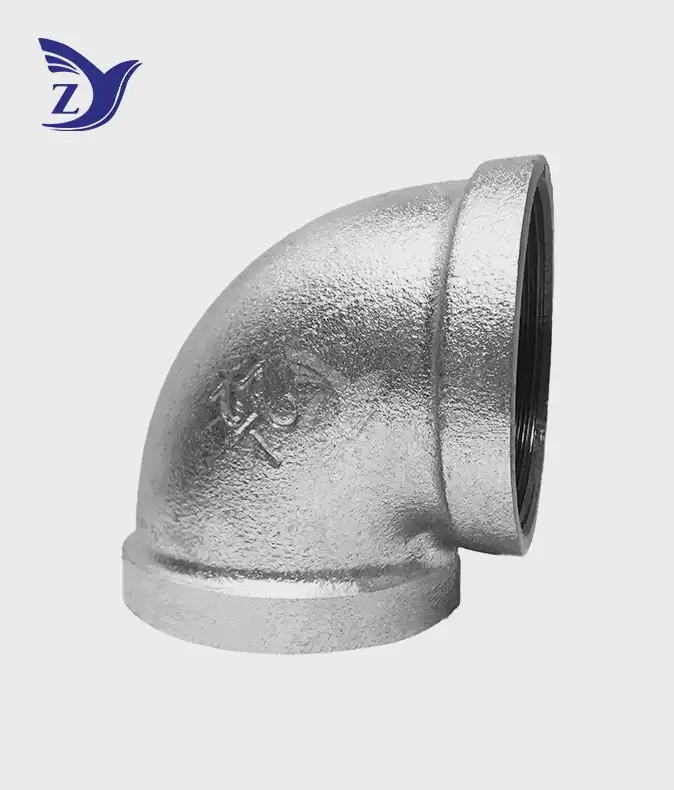
Should Square Edge Elbows Be Strictly at a 90-Degree Angle?
Fluid Dynamics and Pressure Considerations
The 90-degree arrangement isn't just a coincidence; it's designed to get the best hydraulic performance. When the flow of fluid through a pipeline changes direction, the angle has a direct effect on the drop in pressure and the swirling of the flow. When there is a true 90-degree elbow, the flow patterns are reliable, and engineers can figure them out using standard hydraulic models. Any changes from this angle, even by a few degrees, cause turbulent flow that makes the system less effective and can damage connection points. When I test the flow of water in fire sprinkler systems, making sure the turns are exact 90 degrees makes sure that water gets to the faraway heads at the needed pressures. The square edge shape improves this performance by making the inside geometry more regular, which reduces the amount of flow disturbance.
Square Edge vs. Round Edge: Performance Trade-offs
There are a lot of things to think about when choosing between square and round edge knees. When you need high installation force, resistance to mechanical shock, and high pressure ratings—usually Class 150, which can handle up to 300 psi at room temperature—square edge fittings are the best choice. Because they are banded, these fittings can work in harsh places like pump houses and industrial process lines. Round-edge elbows are a little easier to tighten by hand and work fine in low-pressure home uses, but they don't have the structural support needed for heavy-duty use. When working with pipes that are 1-1/2 inches or bigger, the installation teams I've taught always choose square-edged designs because they are easier to hold on to during assembly. Over time, the difference in longevity becomes clear: square edge fittings keep their seals intact even after repeated thermal cycles, which would damage round edge options.
When Precision Matters: Industry Case Examples
My experience with a city water treatment plant shows how important it is to stick to 90-degree angles. The system had to be set up in a small equipment room with limited space because it needed to change directions a lot. Using precisely made square face galvanized 90° square edge elbow pipe fittings with confirmed 90-degree angles let builders build pieces off-site, knowing they would fit together perfectly when they were put in place. Because of this accuracy, 30% less work had to be done on-site, and expensive changes had to be made in the field. On the other hand, in a project to expand a petroleum plant, small differences in the angles of the elbow fittings caused alignment problems that kept the project from starting up for two weeks while workers fixed the connections. These real-life examples show that the 90-degree guideline isn't just a suggestion; it's a practical requirement that has an effect on project costs and schedules.
Comparing Galvanized 90° Square Edge Elbows with Other Pipe Fitting Options
Angular Alternatives: When 45-Degree Elbows Make Sense
Most horizontal needs can be met by 90-degree elbows, but 45-degree fits are better in some situations. In long pipeline runs where hydraulic efficiency is more important than saving room, changing the direction of flow gradually lowers the drop in pressure. In stormwater runoff systems where reducing friction loss is important for increasing flow capacity, I've specified 45-degree bends. A right-angle turn, on the other hand, needs two 45-degree fittings and more pipe length, which raises the cost of materials and makes assembly more difficult. The choice depends on the needs of the application. For example, 90-degree solutions are needed in small areas, while 45-degree solutions may be better for systems that need to perform at a high level.
Material Comparisons: Galvanized vs. Stainless Steel and Black Iron
In real life, galvanized malleable iron is a good compromise between price and function. Black steel fittings are 20–30% less expensive, but they don't protect against rust, so they can only be used in dry indoor spaces or for short-term installs. I've seen black iron systems in mechanical rooms that need to be replaced after 10 years because they're rusting apart. Fittings made of stainless steel look better and are more resistant to rust than coated ones, but they cost three to four times more. This extra cost makes sense in industries like food processing, drug making, or naval use where there is a high risk of contamination or severe corrosion. square face galvanized 90° square edge elbow pipe fittings are the best value for money when it comes to water supply, HVAC, gas distribution, and fire protection systems, which make up 80% of industrial pipe projects. In building, city engineering, and facility management, procurement teams always choose galvanized fittings for standard uses because the hot-dip zinc coating lasts for decades and costs a fraction of what stainless steel does.
Procurement Guide: How to Source and Purchase Galvanized 90° Square Edge Elbow Pipe Fittings
Evaluating Supplier Credentials and Quality Standards
To find a trusted provider, you need to check a few important things. Getting ISO 9001 approval shows that you are dedicated to using consistent quality management systems. Product-specific approvals, such as UL (Underwriters Laboratories) and FM (Factory Mutual) approval, show that parts meet known safety standards. This is important for fire protection systems that need to be insured. Ask for test records that show the material's make-up, its pressure rating, and the thickness of the coating. Reliable makers will gladly give you these reports. I've learned to give more weight to sellers who offer full specification sheets with measures of zinc coating mass, thread gauging data, and physical limits. These details show which companies have strict quality control and which ones make mediocre goods that break down early.
Navigating Minimum Order Quantities and Lead Times
Understanding what a provider can do keeps the buying process from getting stuck. Common sizes (1/2" to 2") are usually kept in stock by well-known manufacturers, and local orders can be shipped within two hours. However, custom sizes and large amounts may need a production wait time of two to four weeks. Different sellers have different minimum order amounts. Some accept orders for a single box, while others need pallet quantities for wholesale prices. When jobs need to be finished quickly, I've found that building ties with suppliers who offer flexible terms pays off. Standard delivery times should be taken into account when planning: shipments within the United States usually come within three to five business days, while foreign orders take four to six weeks for ocean freight plus customs clearance.
Price Optimization Without Compromising Quality
Cost and quality need to be balanced, which takes strategic thought. When you buy in bulk, the price per unit drops by 15–25%, which makes buying in bulk for multiple tasks cost-effective. But make sure that when you buy in bulk, the specifications don't get lowered. For example, some sellers use cheaper materials or zinc coatings that aren't as thick when they offer budget prices. Compare the total costs of buying square face galvanized 90° square edge elbow pipe fittings, which should include shipping, possible import taxes, and the cost of keeping the item in stock. I've noticed that mid-priced fittings from well-known brands often have better lifecycle value than either expensive names with only minor performance advantages or cheap choices that need to be replaced all the time. Before placing a big order, ask for example fits so that you can check the finish quality, thread precision, and size accuracy in person.
Conclusion
It is clear from engineering principles and real-world experience that square-edge elbows should always keep an exact 90-degree angle. This standard is necessary for the reliable performance of pipe systems. The exact angular shape and strengthened square edge construction work together to make the product more durable, easier to install, and more reliable in the long run. Predictable fluid dynamics, easier system design, and compatibility with established pipe standards are all made possible by galvanized, malleable iron connections with precise 90-degree angles. When you buy fittings that are properly made, you avoid expensive failures and repairs. This is true whether you're selecting parts for fire protection systems, local water infrastructure, or industrial process lines. Quality providers who stick to strict manufacturing standards are the key to building projects that meet code requirements and last for decades without any problems.
FAQ
Why choose square edge over round edge elbows for industrial applications?
Due to their banded design, square edge elbows offer better structural support, raising pressure ratings and avoiding deformation during high-torque installation. The flat surface makes it easier to hold a wrench, which speeds up fitting and keeps the threads from getting damaged. When it comes to mechanical strength, square edge construction is better than round edge construction in industrial settings where there is vibration, heat cycle, or high pressure.
Can galvanized fittings withstand harsh outdoor and marine environments?
When used outside, near water, or in wet places, hot-dip galvanized finishes are great at keeping metal from rusting. The zinc layer acts as cathodic protection, which stops rust from forming even if the surface is slightly damaged. Regular upkeep and inspections greatly increase the life of a service. Marine settings that are directly exposed to saltwater may need extra safety measures at some point, but galvanized fittings always work better than black iron options in these tough conditions and can last 25 to 30 years with proper upkeep.
What lead times should I expect for custom or large-volume orders?
Standard sizes usually ship within two to three days if they are in stock. It normally takes two to four weeks to make something with custom dimensions, non-standard threading, or special finishes. Depending on production ability, wait times may go up to 4 to 6 weeks for orders with a lot of items. When makers plan ahead and let customers know what they expect, they can schedule production more efficiently and often cut standard lead times for customers who have regular needs.
Partner with Zhiyuan Malleable Steel for Reliable Square Edge Elbow Solutions
Zhiyuan Malleable Steel has been casting and making high-quality products for 26 years. We put those skills into every square face galvanized 90° square edge elbow pipe fittings we make. With the help of modern medium-frequency electric furnaces and precise machining tools, our 30,000-ton yearly production capacity makes sure that quality is uniform across more than 1,000 product specs. We keep a lot of different certifications, like ISO 9001, CE, UL, and FM approvals, that make sure we meet foreign standards for fire safety, municipal planning, and industry uses. As a reliable company that makes square face galvanized 90° square edge elbow pipe fittings, we can customize our products to meet the needs of your project, whether you need NPT or BSPT threading, special sizes, or custom packing. Being in Shanxi Province gives us lower-cost access to resources, which lets us offer reasonable prices without lowering the quality standards that have made us a leading company in making flexible steel. We have a lot of standard goods in stock and can ship them within two hours. If you need a customized solution, our expert team is ready to help you with your needs. You can talk to our procurement specialists about your project needs and get detailed quotes by emailing q1236800000@gmail.com or visiting zymalleablepipefitting.com. Fire protection contractors, plumbing wholesalers, and municipal engineers around the world have trusted our services for decades.
References
- American Society of Mechanical Engineers. (2020). ASME B31.9: Building Services Piping Standards. New York: ASME Press.
- British Standards Institution. (2018). BS EN 10242: Threaded Pipe Fittings in Malleable Cast Iron. London: BSI Standards Publication.
- American Society for Testing and Materials. (2019). ASTM A197: Standard Specification for Cupola Malleable Iron. West Content: ASTM International.
- National Fire Protection Association. (2021). NFPA 13: Standard for Installation of Sprinkler Systems. Quincy: NFPA Publications.
- Porter, T.R. & Davidson, J.M. (2017). Piping Systems Manual: Industrial and Commercial Applications. McGraw-Hill Professional Engineering.
- International Organization for Standardization. (2019). ISO 7-1: Pipe Threads Where Pressure-Tight Joints Are Made on the Threads. Geneva: ISO Standards Catalogue.
Online Message
YOU MAY LIKE
High quality furniture manufacturer
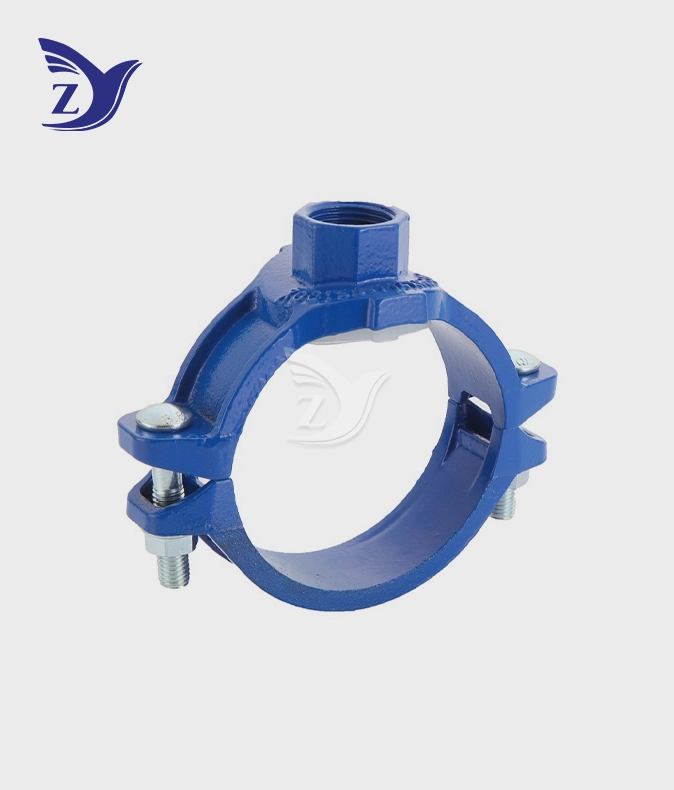
Water Grooved Mechanical Tee
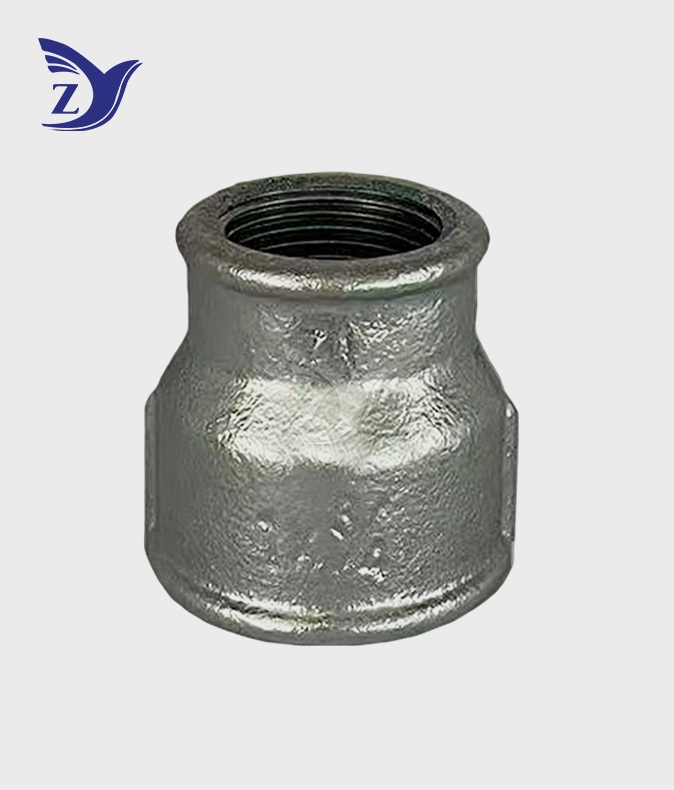
BSPT Round Face Galvanized Round Edge Reducing Coupling Pipe Fittings
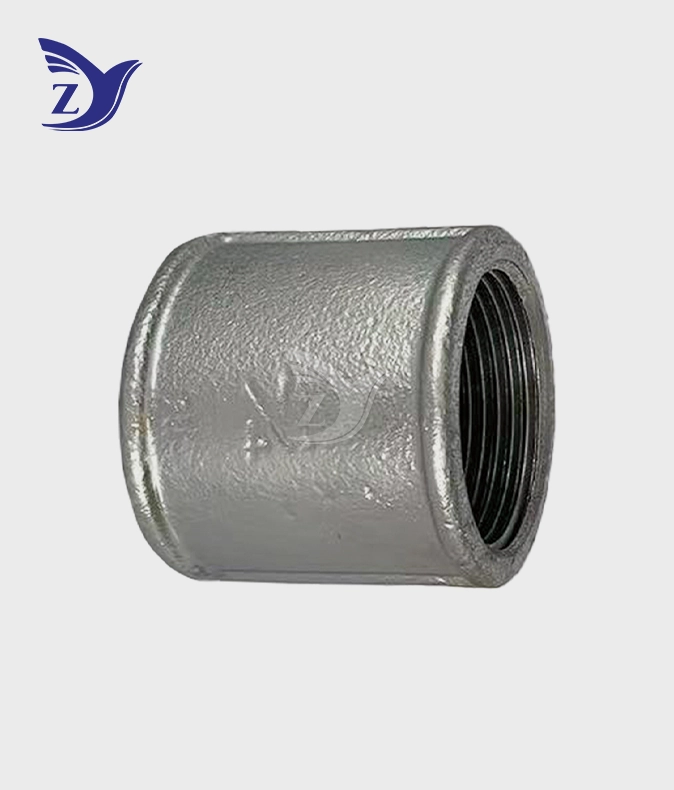
NPT Round Face Galvanized Round Edge Coupling Pipe Fittings
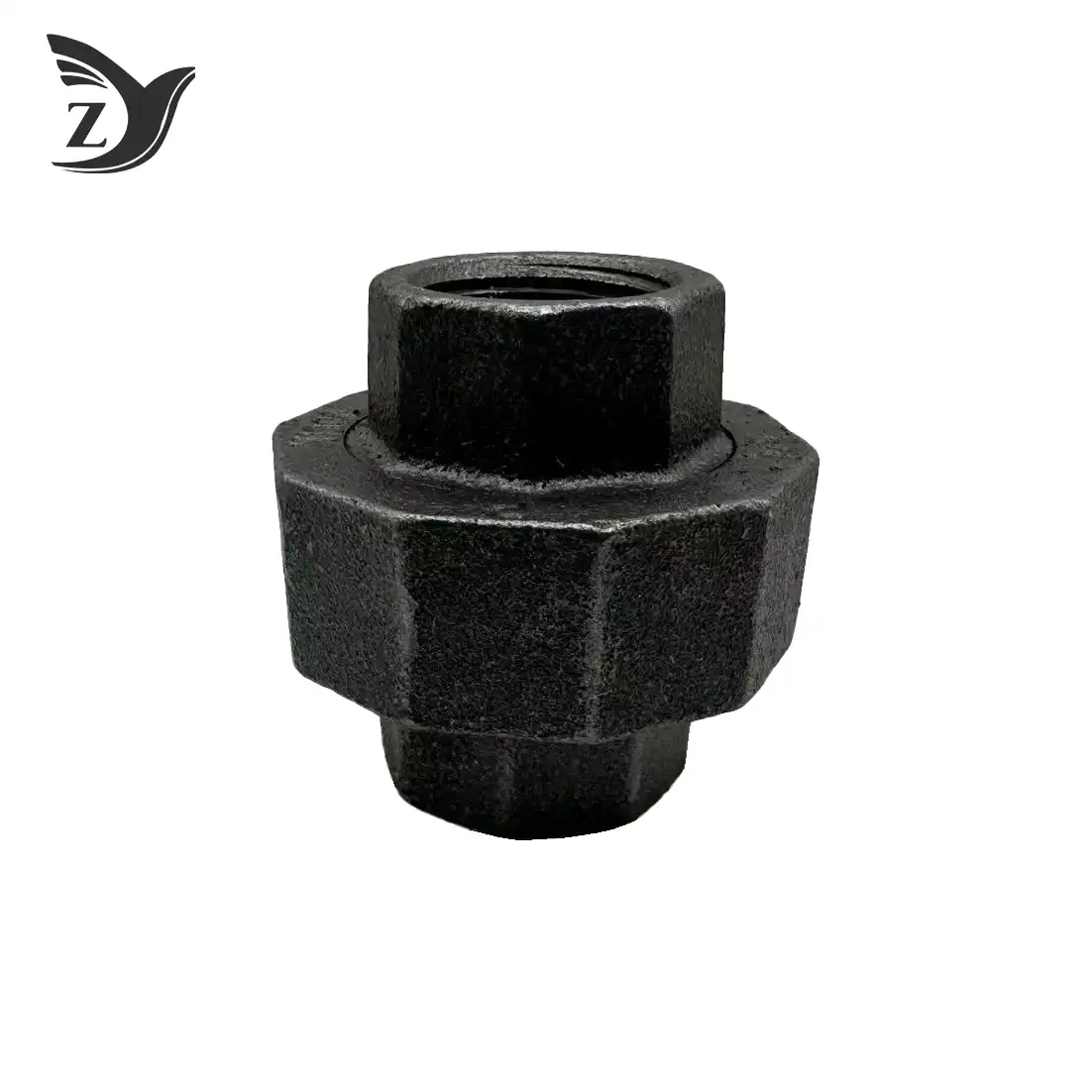
NPT Black Union Class 300 Pipe Fittings
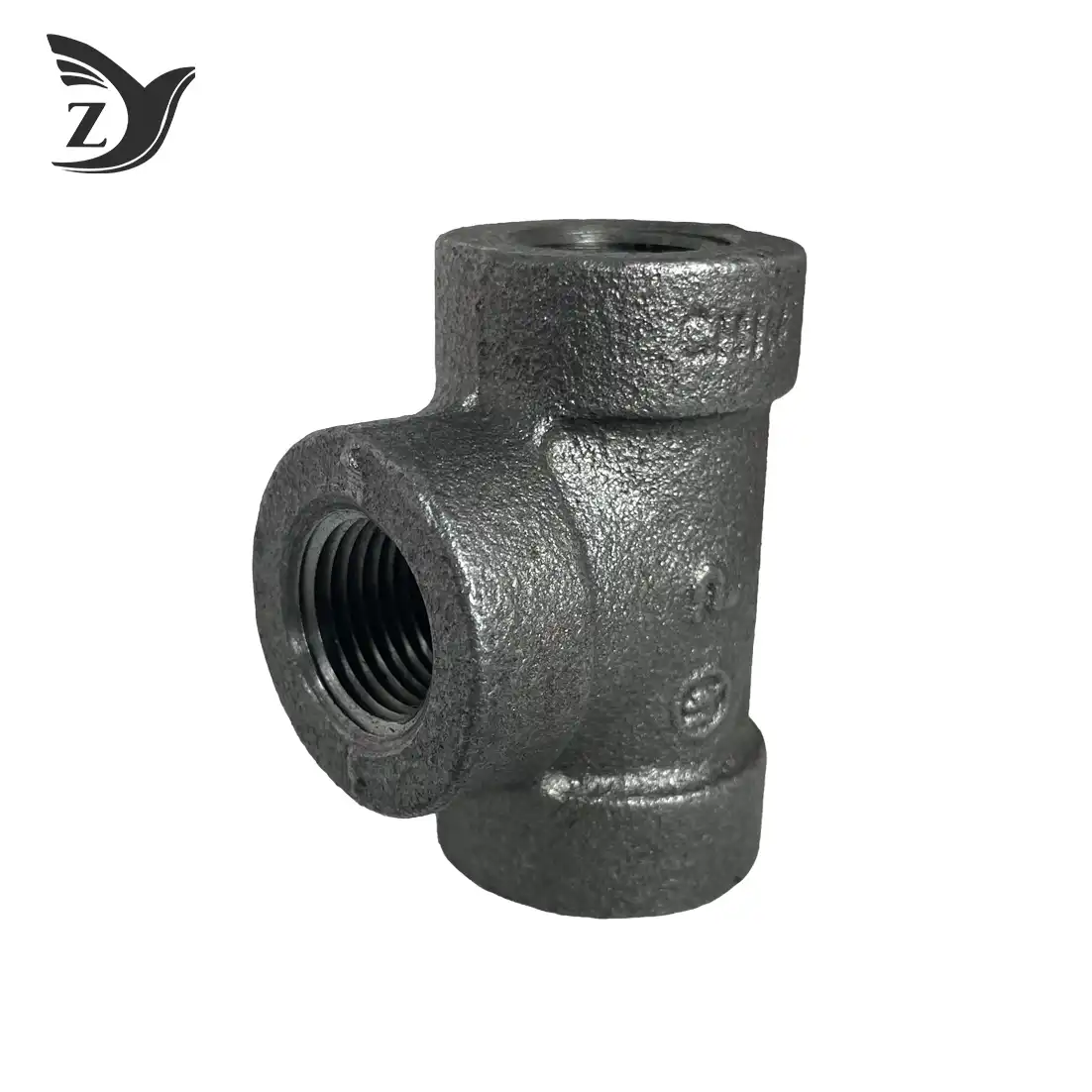
Black 300# Malleable Cast Iron Tee Pipe Fitting
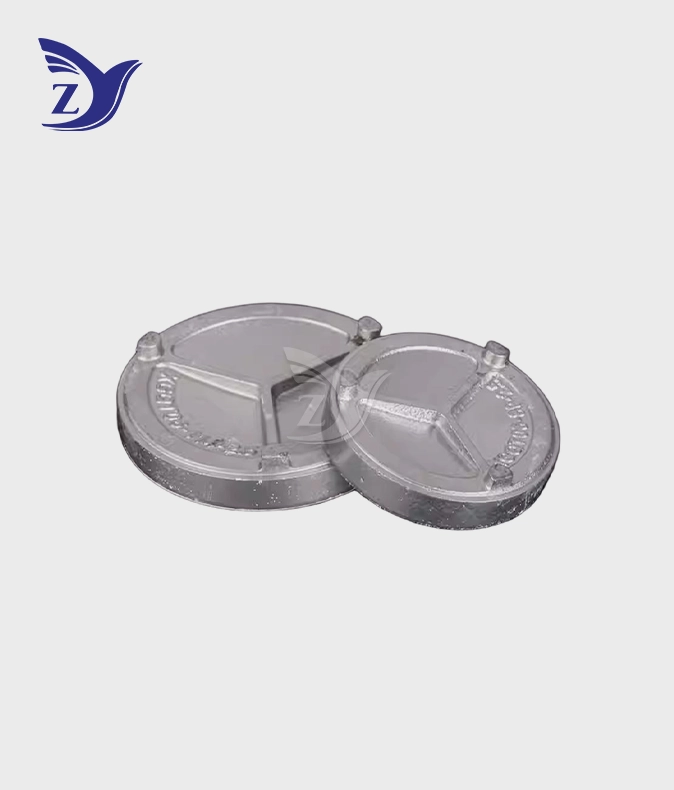
Water Grooved Blind Flange
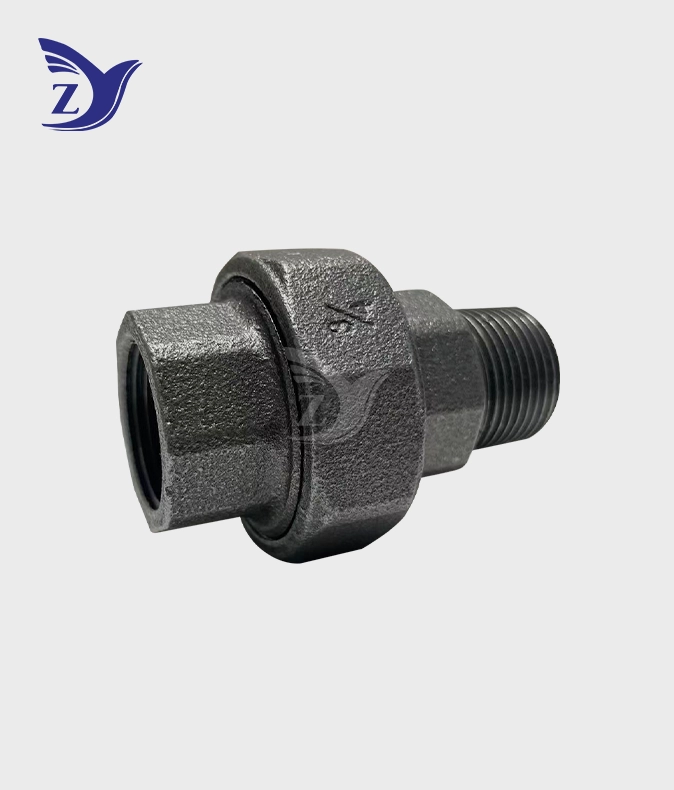
NPT Black Male-Female Union 343 Pipe Fittings
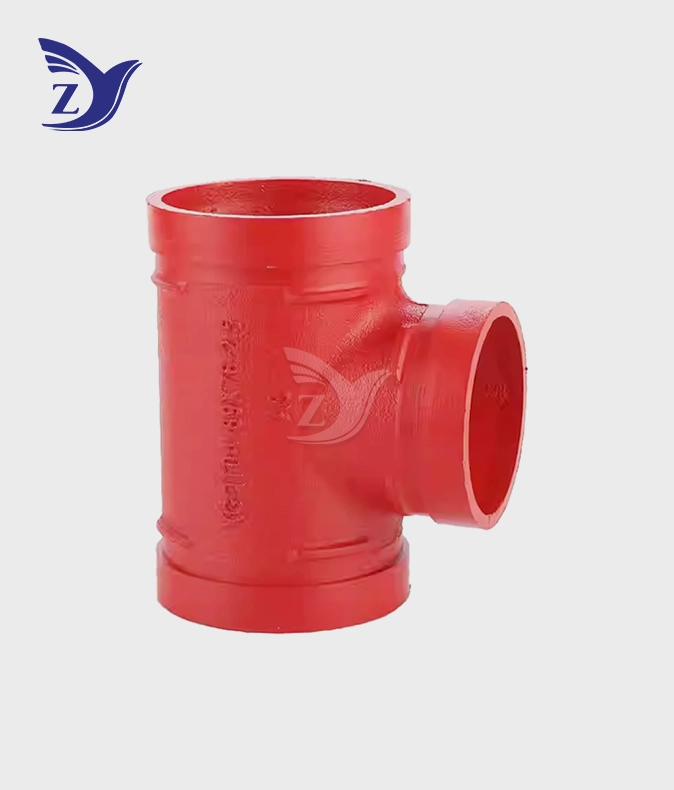
Fire Grooved Reducing Tee