
Apr 3, 2026
How to install galvanized male nipple pipe fittings for plumbing systems?
In order to link fire safety, water supply, and gas distribution systems, galvanized male nipple pipe fittings serve their purpose effectively if they are installed in the appropriate manner. In order to prevent the joints from leaking, you should make sure that these threaded links are ready, use thread glue, and avoid applying too much effort towards them. When putting it together, it is important to make certain that the threads are clean, that the appropriate seals are utilized, and that the connections are constructed using hand-threading. The next step is to use pipe tools to tighten the connections while they are still in place. This is done to prevent any damage from occurring.
Understanding Galvanized Male Nipple Pipe Fittings
Galvanized male nipple pipe fittings are important threaded joints in modern plumbing systems. They are made of high-strength, bendable iron and have a hot-dipped galvanized finish that protects them. On both ends of these precision-threaded parts are external threads that are meant to connect female fittings or extend pipe runs in setups for water, gas, and industrial pipelines.
Material Composition and Threading Standards
When these parts are made, moldable iron casting methods are used, which give them higher tensile strength than normal black iron options. The hot-dipped galvanization method adds a zinc layer that is usually 70 to 85 microns thick. This coating protects against rusting in damp places. NPT (National Pipe Taper) threading has a 60-degree thread angle and a 1:16 taper ratio. BSPT (British Standard Pipe Taper) threading, on the other hand, has a 55-degree Whitworth thread shape and is used in international markets.
Advantages Over Alternative Materials
Galvanized male nipple pipe fittings are much more economical than other materials such as plastic, brass, or stainless steel. Nonetheless, they operate well under moderate strain. Their zinc coating enhances weather resistance and prolongs their lifespan for outdoor usage. These are optimal for applications where cost-efficiency and performance are critical, including municipal water systems, fire sprinkler networks, and gas distribution lines.
Size Ranges and Custom Applications
Standard diameters run from 1/8 inch to 12 inches, and wall thicknesses of Schedule 40 and Schedule 80 can be used for different pressure values. Custom sized choices make it possible for unique uses in industrial plants, power plants, and city building projects where normal sizes might not meet certain technical needs.
Preparing for Installation: Essential Tools and Safety Considerations
Preparation is very necessary for a successful installation, which necessitates the use of certain apparatus and the observance of safety regulations in order to protect persons and guarantee the stability of the system.
Required Tools and Equipment
For professional installation, you need good pipe wrenches that are the right size for the fitting width and have backup tools to keep the pipe from turning while you tighten it. Thread cutting oil or pipe dope can be used as both a lube and a sealer. For low-pressure uses, Teflon tape can be used as an extra cover. Cleaning brushes and wire brushes remove dirt from threads, making sure that the male and female parts can connect properly.
Safety Protocols and Code Compliance
While working with zinc parts, installation teams must wear the right safety gear, such as safety glasses and work gloves. Local plumbing rules often spell out how much pressure is needed and how to do inspections. This is especially true for gas lines, where a bad fitting could be dangerous. Knowing the limits of pressure and temperature keeps systems from breaking down, which could damage property or hurt people.
System Compatibility Assessment
Checking the materials of current pipes makes sure that zinc fittings can work with system parts. Galvanic rusting can happen between different metals in some types of water, so it is important to do a material compatibility study before deciding to buy something. Specifications for pressure and temperature must match the needs of the system. This is especially important in HVAC uses where heat expansion can weaken joints.
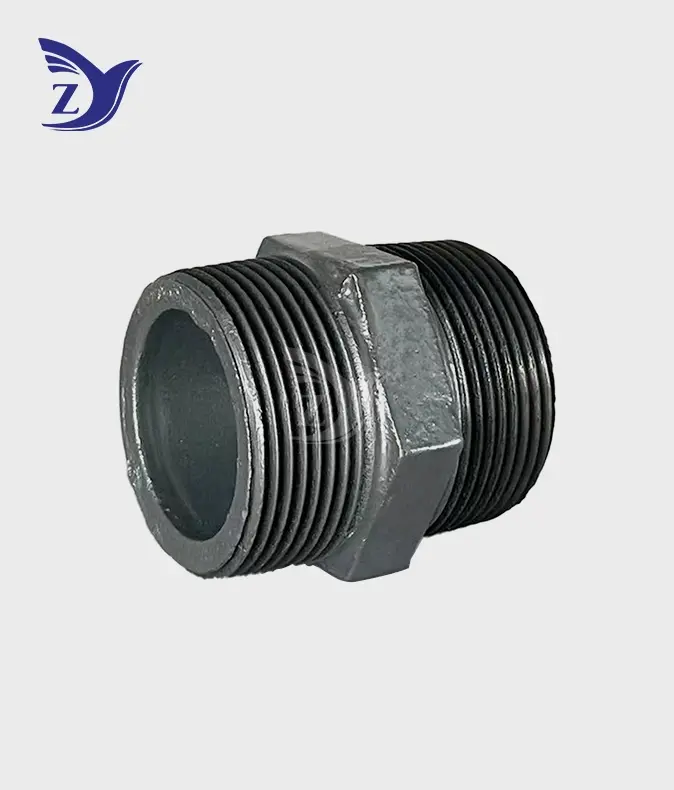
Step-by-Step Installation Guide for Galvanized Male Nipple Pipe Fittings
Installation requires meticulous planning and regulated construction techniques to ensure the work lasts, as well as an eye for detail throughout the whole procedure.
Thread Preparation and Cleaning
Be sure there is no debris, corrosion, or manufacturing defects on the male and female threads before you begin installation; this might reduce the closing force. Remove any paint, rust, or other debris from the threads using a wire brush or thread cleaning tool. Threading dies may repair broken threads or replace the whole portion if the system is to remain dependable.
Sealant Application Techniques
Follow the manufacturer's instructions and cover the male threads from the second thread to within two threads of the end of the fitting. This method keeps the sealant from going inside the pipe while still making sure there is enough coverage to stop leaks. For gas uses, only use approved pipe dope materials that don't break down when exposed to hydrocarbons and keep their binding qualities even when the pressure changes.
Assembly and Tightening Procedures
Hand-thread the galvanized male nipple pipe fitting until the resistance goes up. Depending on the thread pitch and pipe diameter, this should take between 2 and 4 full turns. To finish adjusting, use pipe tools and apply measured force to get the threads to connect properly without overstressing them. For the best binding and mechanical strength, the male fitting should go through about 60 to 70% of the depth of the female thread.
Post-Installation Quality Verification
Make careful to check all connections for leaks according to the system's instructions when pressurizing the system to its working pressure and again afterwards. Assume that everything is where it should be since there shouldn't be any stress signs like pipe deformation or mismatched fittings. It is recommended to record the installation's specifications for future reference, especially in commercial and industrial settings where precise records are needed by law.
Common Challenges and How to Avoid Installation Pitfalls
In the event that you are aware of any potential issues in advance, it is possible to prolong the life of components, save money on costly repairs, and reduce the amount of time that the system is down.
Thread Engagement Issues
Misaligned threads are the most common startup problem. This is usually caused by rushing through the process or not doing enough to prepare. Cross-threading hurts both male and female parts, so they need to be replaced and the method might need to be changed. This problem can be avoided by carefully hand-threading, and backup tools keep the pipes in place during the final tightening steps.
Corrosion Prevention Strategies
Even though galvanized coats are very good at resisting rust, some types of water can make zinc loss and base metal oxidation happen faster. When you do regular inspections, you can find covering loss early on, especially at the thread joints where mechanical stress builds up. In harsh settings, you might want to add extra safety with cathodic protection systems or better materials.
Environmental Considerations
When installed outside, changing temperatures, the dirt, and the weather can make it hard for galvanized male nipple pipe fittings to work properly. The right installation depth keeps hidden parts safe from freeze-thaw cycles, and enough support keeps stress from building up at connection points. Protective coatings or wrapping materials that make zinc coatings last longer in acidic soil are useful for underground uses.
Maintenance Planning
Set review times based on how important the system is and the surroundings. For example, fire protection systems need to be checked once a year, and city water systems need to follow legal plans. When planning a replacement, you should think about how old the parts are, how much damage they show, and any changes that need to be made to the system that could mean using new materials or better fits.
Selecting and Procuring Galvanized Male Nipple Pipe Fittings for Your Business
Prioritizing short-term savings above longer-term performance demands, supplier reliability, and legal compliance responsibilities is essential when making strategic purchasing decisions.
Material Quality Assessment
Check if the seller has any qualifications, such as ISO 9001 quality systems, ASTM material compliance, and special approvals like UL or FM recognition for fire protection uses. Good zinc coats should meet the requirements of ASTM A153. They should have uniform thickness and binding qualities that make sure they will last for a long time. Following the ANSI/ASME B1.20.1 guidelines for thread correctness keeps fitting problems and early failure from happening.
Supplier Evaluation Criteria
For buying relationships to work, sellers must consistently show that they can supply goods, provide expert help, and use quality assurance methods. Manufacturing capacity needs to match project plans, especially for big projects that need planned supply schedules. When doing business with the United States, international providers should show proof that they follow the country's tests and standards.
Bulk Ordering Strategies
When you buy in bulk, you can often save a lot of money and make sure you have enough goods for your business to keep running. But when you store something, you need to keep the zinc layer protected, which means you need to keep it dry so it doesn't rust too quickly. Inventory management systems should keep track of the age of components and how often they are rotated so that older stock can be used while new stock is kept for important uses.
Custom Manufacturing Options
For certain uses, non-standard sizes, thread types, or finishes that are better than what is required by standard specs may be needed. Manufacturers of galvanized male nipple pipe fittings who can make them to order can meet the specific needs of each project while still meeting quality standards and delivery dates. Custom orders usually have longer wait times, but they can help with difficult installs where normal parts don't work.
Conclusion
To install galvanized male nipple pipe fittings expertly, one must meticulously prepare, use appropriate equipment, and adhere to a series of procedures that guarantee dependable performance under challenging conditions. Understanding the properties of the material, thread specifications, and external influences facilitates informed decision-making throughout the procurement and fitting processes. Routine inspection and maintenance procedures prolong the lifespan of components and prevent costly system failures that jeopardize operations and compromise safety.
Get Quality Galvanized Male Nipple Pipe Fittings from Zhiyuan Malleable Steel
Zhiyuan Malleable Steel delivers industrial-grade threaded connectors engineered for demanding plumbing applications across fire protection, municipal, and industrial sectors. Our precision-threaded, hot-dipped galvanized fittings meet international standards including ISO 9001, CE, UL, and FM certifications. With 30,000 tons annual production capacity and over 1,000 product specifications, we serve as your trusted galvanized male nipple pipe fittings supplier for both standard and custom requirements. Contact our procurement specialists at q1236800000@gmail.com for bulk pricing and technical consultation.
FAQ
What distinguishes galvanized fittings from stainless steel alternatives?
Galvanized fittings offer cost advantages over stainless steel while providing adequate corrosion resistance for most commercial applications. The zinc coating provides sacrificial protection that extends service life in moderate environments, though stainless steel delivers superior performance in highly corrosive conditions or food-grade applications requiring complete corrosion immunity.
How long do galvanized male nipple fittings typically last in outdoor applications?
Service life varies significantly based on environmental conditions, with typical installations achieving 15-25 years in moderate climates. Coastal environments or areas with aggressive water chemistry may reduce this lifespan, while dry climates with neutral pH water extend component life considerably beyond average expectations.
Can these fittings be used in both water and gas applications?
Most galvanized male nipple pipe fittings accommodate both water and gas service when properly rated for system pressures. However, gas applications require specific thread sealants and installation procedures that differ from water systems. Always verify local code requirements and pressure ratings before selecting fittings for gas distribution systems.
What causes premature failure in galvanized fittings?
Common failure modes include improper installation techniques that damage threads, incompatible sealants that degrade under system conditions, and galvanic corrosion from dissimilar metal contact. Over-tightening represents another frequent cause, creating stress concentrations that accelerate fatigue failure and coating damage.
References
1. American Society for Testing and Materials. "Standard Specification for Zinc Coating (Hot-Dip) on Iron and Steel Hardware." ASTM International, West Conshohocken, PA, 2019.
2. American National Standards Institute. "Pipe Threads, General Purpose (Inch)." ANSI/ASME B1.20.1, American Society of Mechanical Engineers, New York, 2013.
3. International Organization for Standardization. "Pipe Threads Where Pressure-Tight Joints Are Made on the Threads - Part 1: Dimensions, Tolerances and Designation." ISO 7-1, Geneva, Switzerland, 2022.
4. National Fire Protection Association. "Installation of Sprinkler Systems." NFPA 13, Quincy, Massachusetts, 2022.
5. American Water Works Association. "Steel Pipe - A Guide for Design and Installation." Manual M11, Denver, Colorado, 2020.
6. Plumbing-Heating-Cooling Contractors Association. "Installation Standards for Galvanized Steel Pipe Systems." PHCC National Association, Falls Church, Virginia, 2021.
Online Message
YOU MAY LIKE
High quality furniture manufacturer
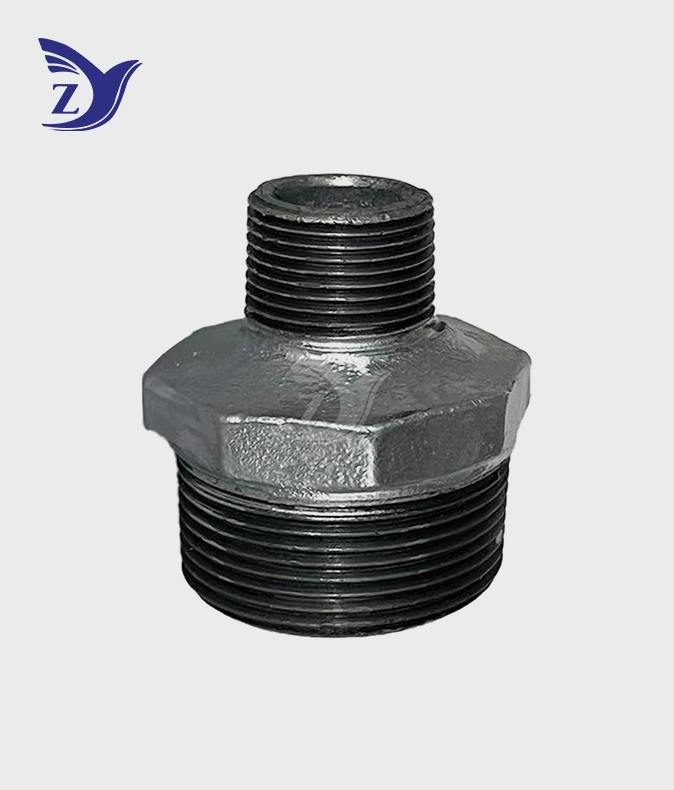
NPT Galvanized Reducing Male Nipple Pipe Fittings
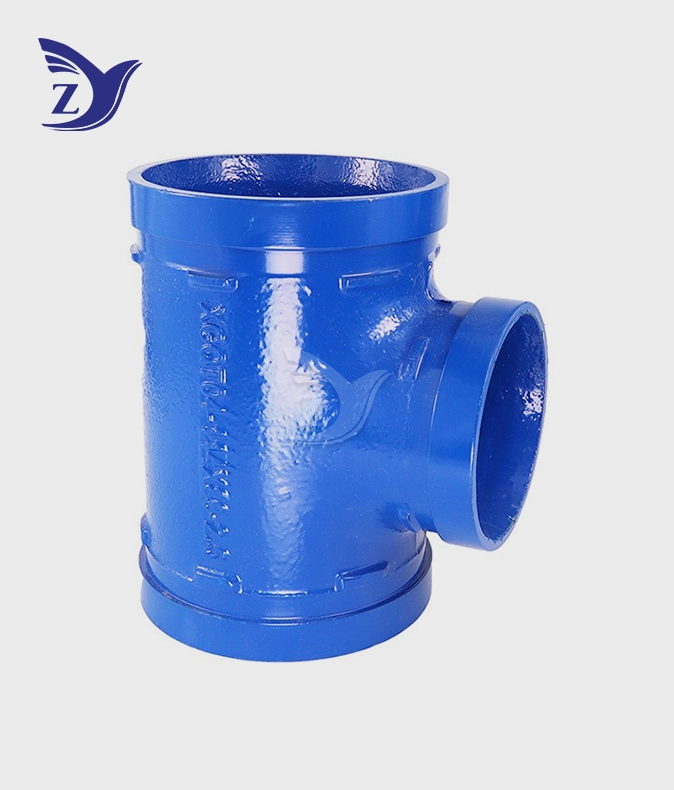
Water Grooved Straight Tee
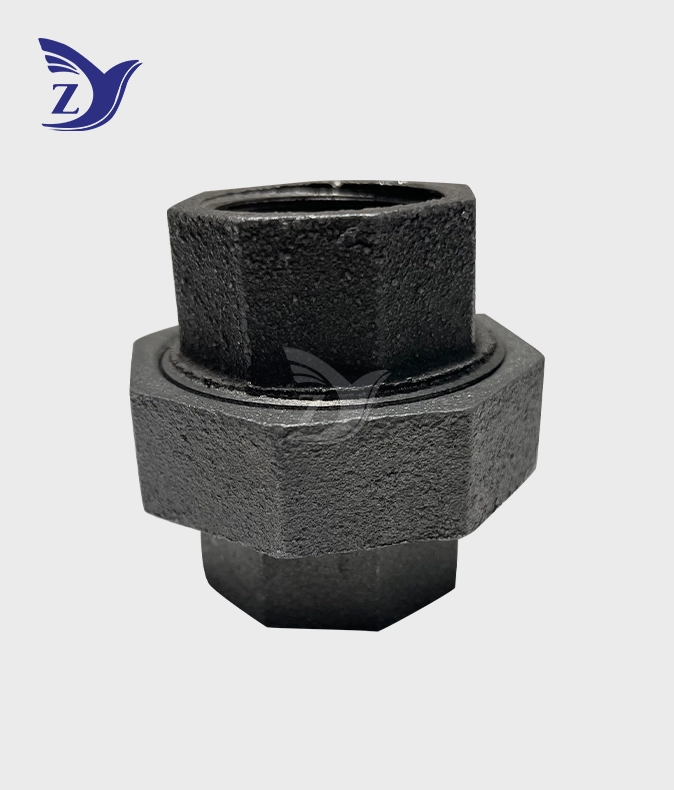
NPT Black Union 330 Pipe Fittings
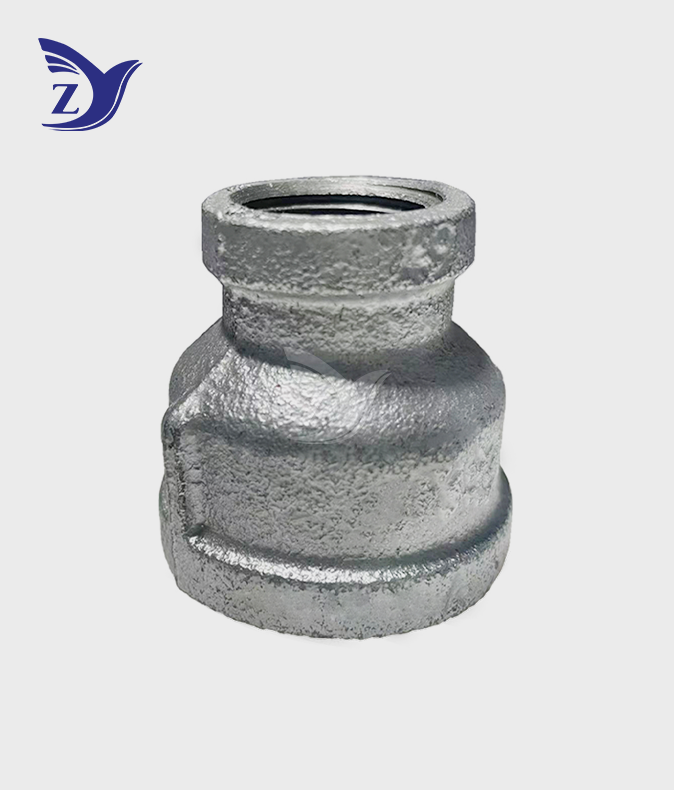
BSPT Square Face Galvanized Square Edge Reducing Coupling Pipe Fittings
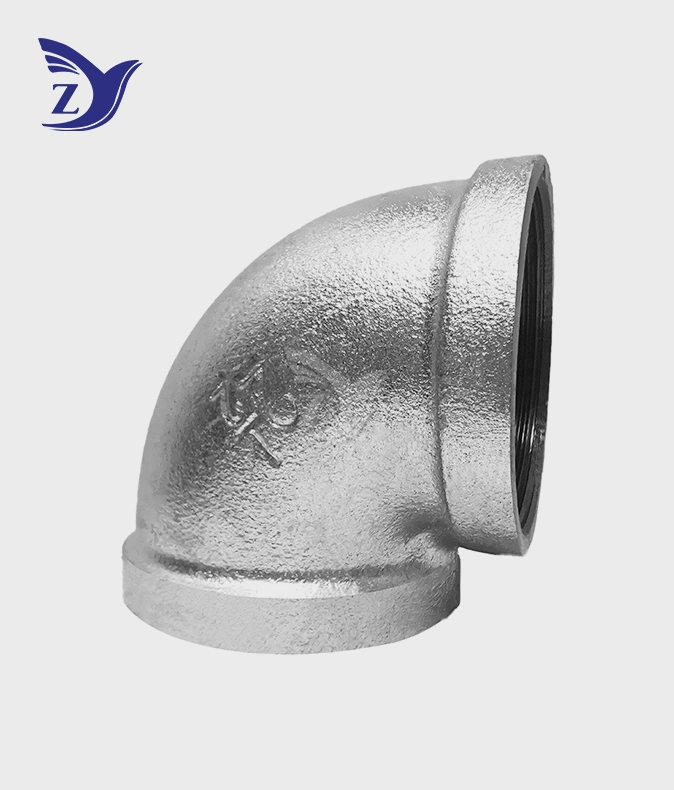
NPT Square Face Galvanized 90° Square Edge Elbow Pipe Fittings
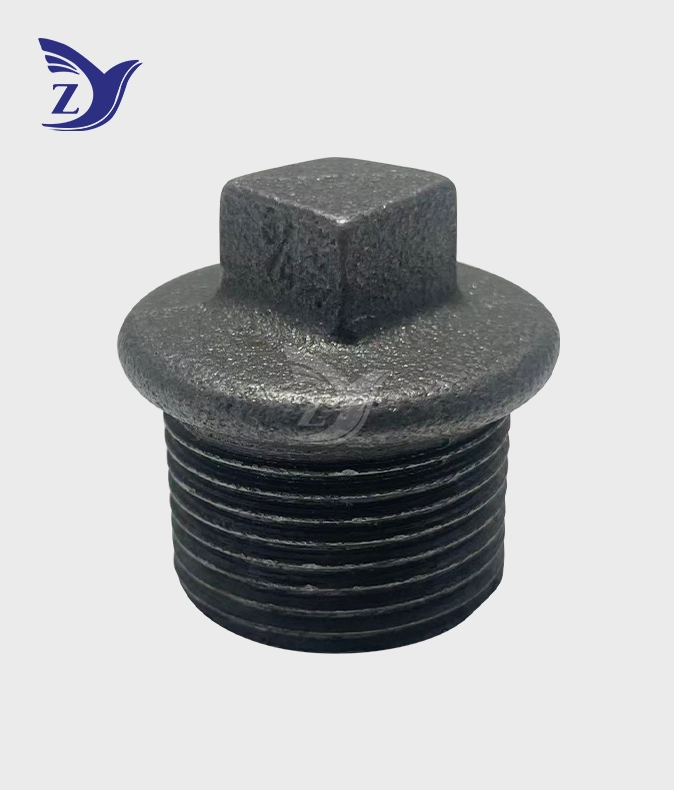
NPT Black Flanged Plug Pipe Fittings
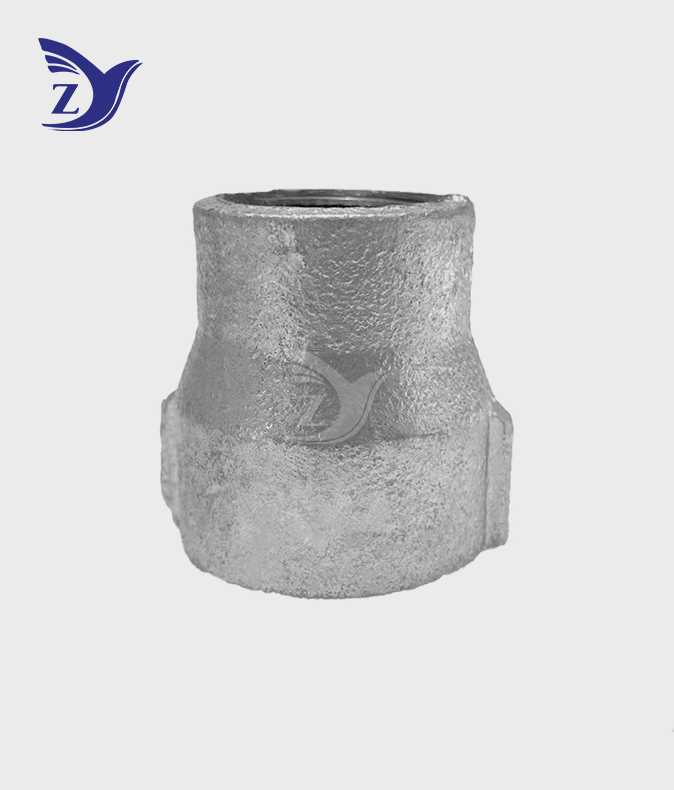
No Hub Hot Dip Galvanized Reducing Coupling Pipe Fitting
No Hub Electro Galvanized Coupling Pipe Fitting