
Apr 9, 2026
What is the difference between straight tee and reducing tee?
It is critical to know the difference between a straight tee and a decreasing tee when buying pipe fittings for industrial uses. In order to ensure that fluid is distributed evenly throughout all three branches of a pipeline, a straight tee—also called an equal tee—has three apertures of the same diameter. To maintain system pressure and control, a reducing tee may accommodate flow transitions between various pipe sizes by including one or two outputs with lower diameters than the primary input. Pipe networks for water distribution, heating, ventilation, and air conditioning (HVAC), fire protection, and industrial purposes are affected by this basic distinction in terms of flow dynamics, installation needs, and overall system performance.
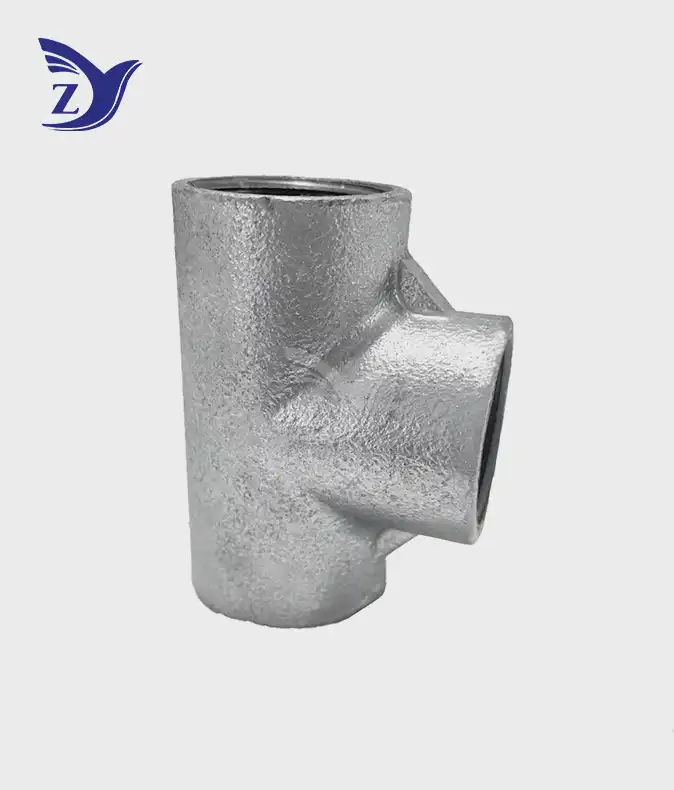
Basics of Straight Tee and Reducing Tee Pipe Fittings
Choosing the right junction fittings to satisfy your flow distribution needs is the first and most important step in designing an efficient pipeline. In applications involving malleable iron, straight tee fittings are used as uniform-branch junctions since all three holes keep the same nominal pipe size, which usually falls between 1/8 inch and 6 inches. Water supply manifolds, heating, ventilation, and air conditioning distribution systems, and fire sprinkler networks are just a few examples of the many applications where these fittings shine.
Straight Tee Characteristics and Applications
Incorporating hot-dipped galvanized coatings into straight tees made of high-strength malleable iron increases their resistance to corrosion and provides remarkable endurance. For safe installation in typical applications with thermal expansion and system pressures up to 300 PSI, use the precision-threaded NPT/BSPT connectors. Ideal for low-pressure steam, gas, and water distribution systems, these fittings have a round edge design that reduces pressure loss and turbulence.
When distributing municipal water, straight tees are often used in industrial applications because their constant diameter allows for appropriate pressure and flow velocity across the network. Installing straight tees at key intersections in fire protection systems allows for the quick supply of water to sprinkler heads in the event of an emergency.
Reducing Tee Design and Functionality
When there is a change in diameter at the branch connection, reducing tees are used to handle complicated pipe situations. A main run with a constant diameter and one or two branch outputs with lower sizes than the main flow channel characterize these fittings. System designers may control flow velocity, save material costs in secondary branches, and accommodate equipment with different connection sizes using this architecture.
In big industrial buildings, the technical benefit of lowering tees becomes obvious since major distribution lines need a lot of capacity and specific equipment connections need smaller sizes. It is common practice to use reducing tees in petrochemical plants, power plants, and municipal treatment systems in order to simplify installation while optimizing flow distribution.
Key Differences Between Straight Tee and Reducing Tee
In order to select the right components for different applications, procurement teams need to be aware of the technical differences between various fitting types. Compared to decreasing designs, straight configurations have very different dimensional properties, material concerns, and flow dynamics.
Dimensional and Sizing Considerations
Specifying and managing inventory is made easier with straight tee fits since the sizes are identical across all three apertures. This uniformity in size minimizes installation uncertainty and guarantees compatibility with existing pipeline infrastructure. Standard sizes in malleable iron construction include 1/4", 3/8", 1/2", 3/4", 1", 1-1/4", 1-1/2", 2", 2-1/2", 3", and greater diameters up to 6".
Pay close attention to the size connections between the inlet and outlet while designing reducing tees. Some common designs are 2" x 1-1/2" x 2", 3" x 2" x 3", and 4" x 3" x 4", with the middle dimension representing the decreased branch size. Accurate size combinations must be specified by procurement teams to prevent installation delays and field adjustments.
Material and Construction Differences
The use of malleable iron in their manufacturing gives both kinds of fittings an advantage over regular cast iron in terms of strength and machinability, allowing for precise threading. Improved corrosion protection and longer service life are benefits of hot-dipped galvanized coatings, which are ideal for use in subterranean installations and areas with high humidity.
To produce reducing tees, it is necessary to perform extra machining processes on a single casting in order to get varying opening widths. When compared to manufacturing straight tees, this level of complexity may affect both lead times and price. Nevertheless, complicated pipe systems often warrant the extra expense due to the technical advantages.
Flow Dynamics and Pressure Considerations
The installation of decreasing tees produces very different flow characteristics than a straight line. All three branches have the same potential flow from a straight tee, if there is no difference in downstream resistance. When a balanced distribution of flows is critical, like in distribution manifolds and parallel equipment configurations, this property becomes very useful.
Managing flow and velocity is made possible by reducing tees, which intentionally limit flow via the smaller branch outputs. Engineers make use of this feature to keep major distribution lines' capacities sufficient and to avoid subsidiary branches with high flow rates.
Comparative Analysis: Straight Tee vs Other Pipe Fittings
To choose the best pipe fittings, you must know how different connection options stack up against straight tee arrangements. The benefits of each fitting type vary according to the application, the available space, and the goals of the flow.
Performance Comparison with Standard Alternatives
In distribution applications, elbow fittings are limited since they only allow for directional adjustments and do not have the capacity to branch. The four-way branching that cross fittings provide comes at the cost of increased pressure loss and system complexity due to the complicated flow patterns they produce. Although they take up more room to install, wye fittings allow for branching at angles other than 90 degrees, which is great for gravity-fed systems.
In situations when perpendicular branching is required, straight tees are the way to go since they minimize pressure loss and installation complexity. Standard pipe layouts may be accommodated by the 90-degree branch angle, which also maintains compact system geometry.
Decision Criteria for Fitting Selection
Various assessment parameters are used to determine fitting selection based on project needs. Procurement choices are impacted by necessary flow rates, pressure ratings, available space, and ease of maintenance. When there is a need for branch flows with comparable capacity and pressure ratings, straight tees are a good choice.
Material choice and fitting arrangement are affected by environmental factors such as temperature cycling, chemical exposure, and seismic activity. As an alternative to more expensive stainless steel options, malleable iron straight tees protected by galvanization provide superior performance in a variety of environments without breaking the bank.
How to Source the Right Tee Fitting for Your Project?
Having a thorough grasp of quality standards, supplier capabilities, and project-specific needs is crucial for successful pipe fitting procurement. Products used in industrial settings must be able to withstand high levels of stress while yet being reasonably priced and reliably delivered.
Quality Standards and Certification Requirements
Consistent quality and process control are guaranteed throughout production with ISO 9001 certification. Fire protection performance is validated by UL and FM clearances, while compliance with European safety requirements is confirmed by CE marking. The assurance of product dependability and conformity with regulations is given to procurement teams by these certifications.
The characteristics, dimensions, and testing needs of malleable iron fittings are defined by ASTM standards. Galvanizing criteria for corrosion protection are established by ASTM A153, whereas ASTM A197 oversees the quality of malleable iron castings. To guarantee that suppliers comply, procurement specifications should include these norms.
Supplier Evaluation and Selection Criteria
Dependable vendors stand out from mediocre ones based on their production capabilities, quality assurance procedures, and delivery track record. Significant manufacturing competence and supply chain stability are indicated by an annual production capacity surpassing 30,000 tons. To guarantee that products consistently work as expected, quality control methods integrate statistical process control with thorough testing.
When it comes to large-volume orders in particular, transportation costs and delivery times are affected by geographic location. Immediate needs and adjustments to the project timeline might be better met by suppliers that have well-established logistical networks and inventory management systems.
Cost Optimization and Volume Purchasing Strategies
Large projects may save a lot of money and be sure that supplies will be available thanks to bulk purchase arrangements. Superior inventory management and prompt customer service are on display with the standard two-hour product delivery. We can fulfill unusual needs without sacrificing delivery dates thanks to our customization capabilities, which include OEM and ODM services.
The quality of the packaging has an effect on the delivery costs and the preservation of the goods. When compared to more conventional packing techniques, double-layer cardboard packaging offers superior protection, cutting down on delays and replacement expenses caused by damage.
Installation and Maintenance Tips for Straight and Reducing Tee Fittings
Your pipe fitting investments will last longer and perform better with the right installation and maintenance procedures. Procurement teams are able to accurately describe items and support services when they have a thorough understanding of installation requirements and maintenance plans.
Installation Best Practices and Common Challenges
Installing a straight tee properly calls for meticulous thread engagement, sealant application, and alignment checking. Pressure-tight connections are achieved with NPT threads by 4-6 complete thread engagement, and with BSPT threads by parallel engagement with sealing compounds. Inadequate tightness increases the likelihood of leakage, whereas excessive tightening damages malleable iron threads.
When inserting tees into preexisting systems, pipe alignment becomes very crucial. Threaded connections and malleable iron fittings are both susceptible to cracking under misalignment stress. Prior to final tightening operations, installation crews should ensure correct alignment and support.
Maintenance Schedules and Inspection Requirements
Prior to a catastrophic breakdown, possible problems are identified via routine inspection programs. Visual inspections should check for corrosion indications on galvanized coatings, leaking on threaded connections, and correct load distribution on support systems. While more regular examination may be necessary in corrosive conditions, annual inspections are sufficient for most applications.
The service life of fittings is greatly increased with regular maintenance of the galvanized coating. While full re-galvanizing takes care of severe coating deterioration, touch-up coating fixes minor damage. The cost of preventative maintenance usually amounts to 10-15% of the cost of replacement, but it may increase the service life by 50-100%.
Conclusion
Differences between decreasing tee fittings and straight tees have an effect on system performance, installation needs, and maintenance concerns in the long run. While lowering tees allow for size transitions and flow management via various outlet dimensions, straight tees distribute flow uniformly through apertures of identical size. Procurement outcomes are strongly impacted by material choices, quality certifications, and supplier competencies. Maintaining system dependability and preserving infrastructure investments are achieved via proper installation procedures and maintenance practices, which also guarantee optimum performance throughout the fitting service life.
Partner with Zhiyuan Malleable Steel for Superior Pipe Fitting Solutions
Zhiyuan Malleable Steel delivers exceptional quality straight tee fittings and comprehensive piping solutions for demanding industrial applications. Our ISO 9001 certified manufacturing processes ensure consistent quality across all product lines, while CE, UL, and FM approvals validate performance in critical applications. With annual production capacity exceeding 30,000 tons and inventory management enabling standard product delivery within two hours, we provide the reliability and responsiveness that procurement teams require. Our precision-threaded NPT/BSPT fittings feature hot-dipped galvanized protection and round-edge design for optimal performance in water, gas, and industrial systems. Contact our straight tee supplier team at q1236800000@gmail.com to discuss your project requirements and experience the quality advantage that has made us a trusted partner for procurement professionals worldwide.
FAQ
What applications benefit most from straight tee installations?
Straight tees excel in water distribution systems, HVAC manifolds, and fire protection networks where equal flow capacity is required across all branches. Municipal water systems, commercial buildings, and industrial facilities utilize straight tees for reliable flow distribution without diameter changes.
How do material choices affect fitting performance and cost?
Malleable iron provides excellent strength-to-weight ratio and machinability for precision threading. Galvanized coatings offer superior corrosion resistance compared to black iron, extending service life in humid or underground applications. Stainless steel alternatives provide enhanced chemical resistance but increase material costs significantly.
What pressure ratings apply to standard malleable iron tee fittings?
Standard malleable iron tees accommodate working pressures up to 300 PSI with appropriate safety factors. Higher pressure applications may require forged steel alternatives or specialized high-pressure fittings designed for specific operating conditions.
Can reducing tees replace multiple fittings in complex installations?
Reducing tees eliminate the need for separate reducers and tee combinations in size-transition applications. This consolidation reduces leak points, installation time, and material costs while maintaining equivalent functionality and performance characteristics.
References
1. American Society for Testing and Materials. "Standard Specification for Cupola Malleable Iron." ASTM International, 2019.
2. International Organization for Standardization. "Pipe Fittings - Threaded Fittings for General Applications." ISO Publication, 2020.
3. National Fire Protection Association. "Installation of Sprinkler Systems Handbook." NFPA Standards Council, 2021.
4. American Water Works Association. "Steel Pipe Design and Installation Manual." AWWA Publications, 2018.
5. Industrial Piping Solutions Institute. "Malleable Iron Fitting Performance Standards." Technical Publication Series, 2022.
6. Building Services Research Association. "Pipe Fitting Selection and Installation Guidelines." BSRA Technical Manual, 2020.
Online Message
YOU MAY LIKE
High quality furniture manufacturer
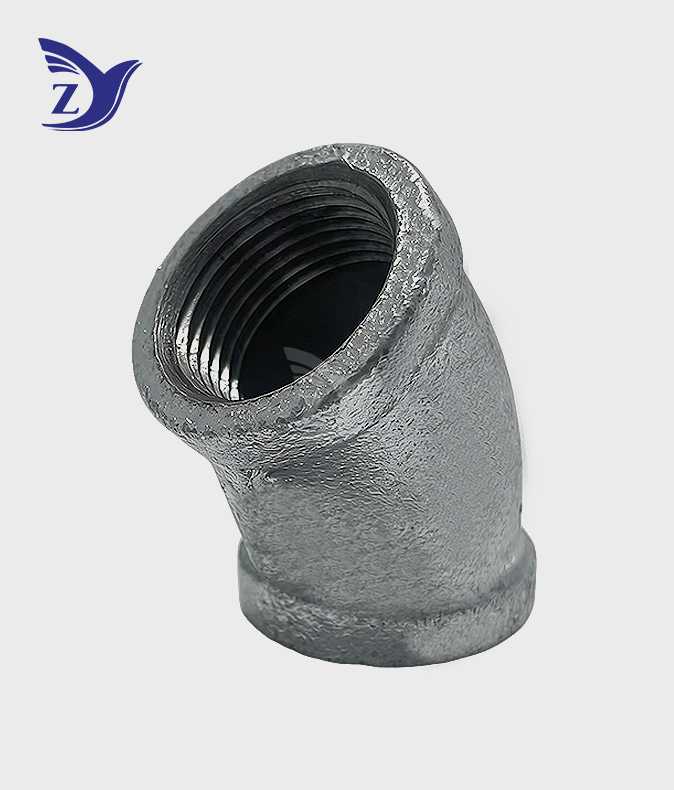
NPT Square Face Galvanized 45° Square Edge Elbow Pipe Fittings
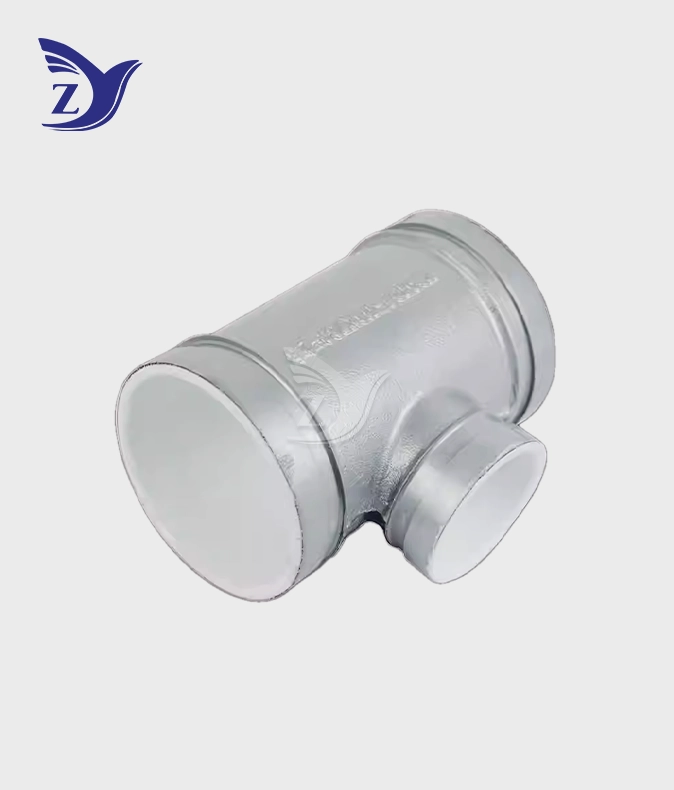
Water Grooved Reducing Tee
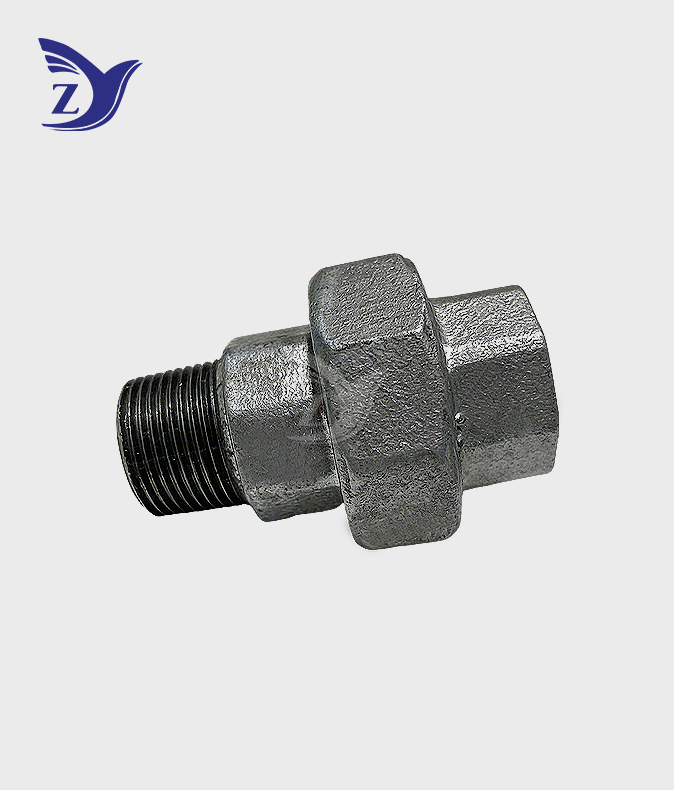
NPT Galvanized Male Female Threaded Union 343 Pipe Fittings
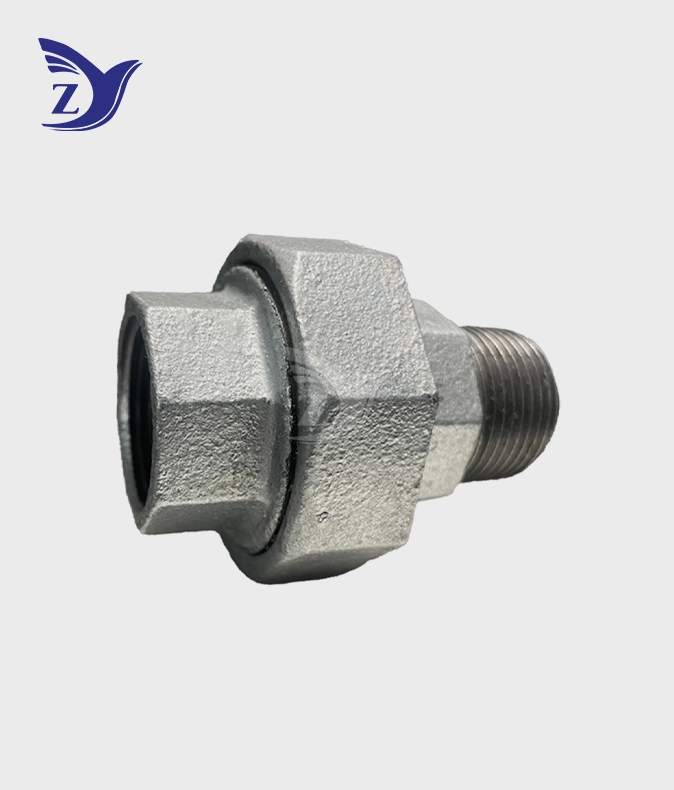
NPT Galvanized Male Female Threaded Union 331 Pipe Fittings
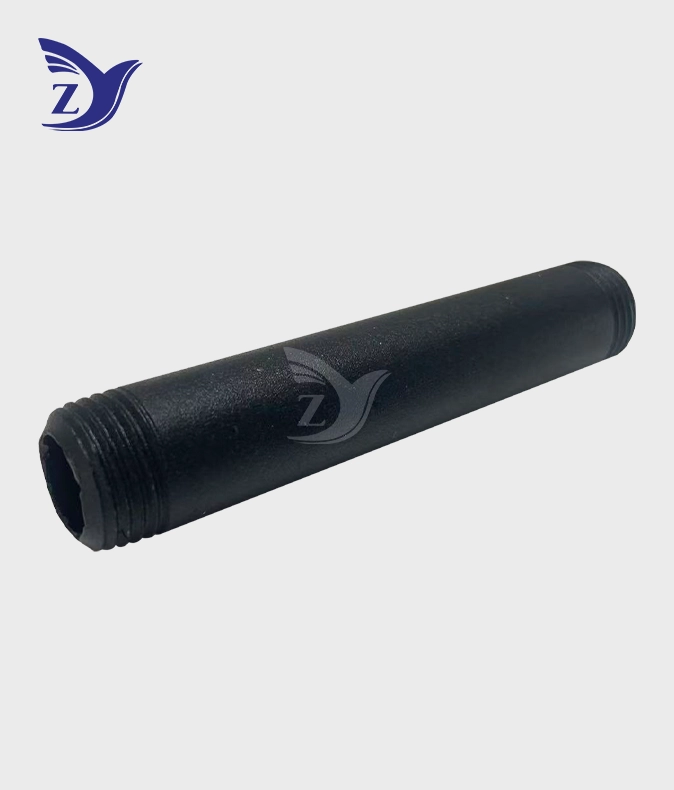
Carbon Steel Pipe Male Threaded Fittings Black Oxide Treated
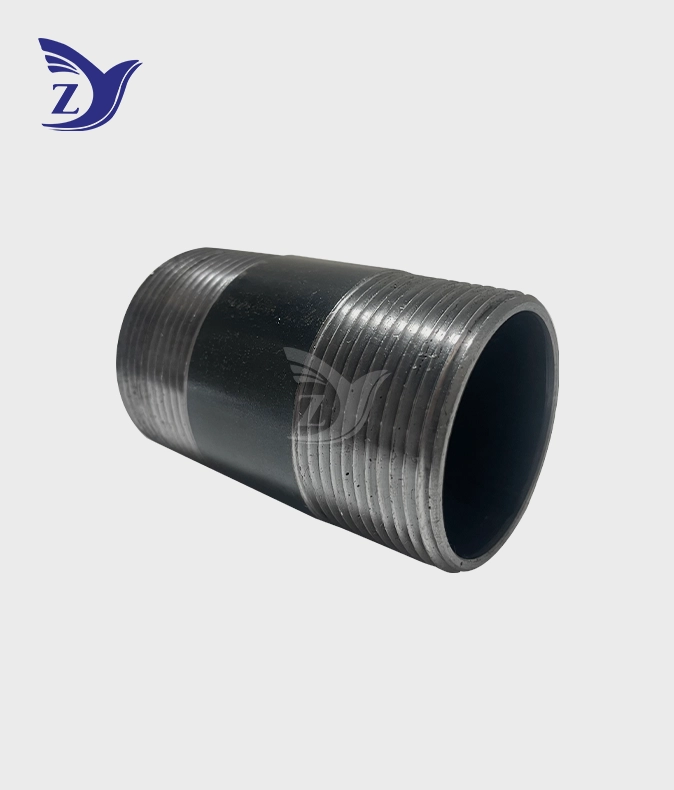
Double Male Thread Oil Tubing
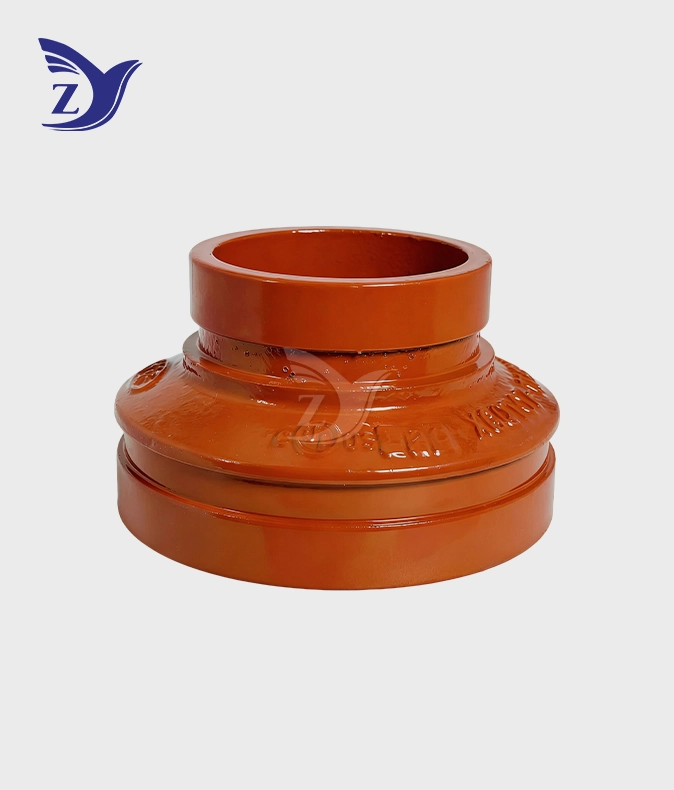
Fire Grooved Reducer
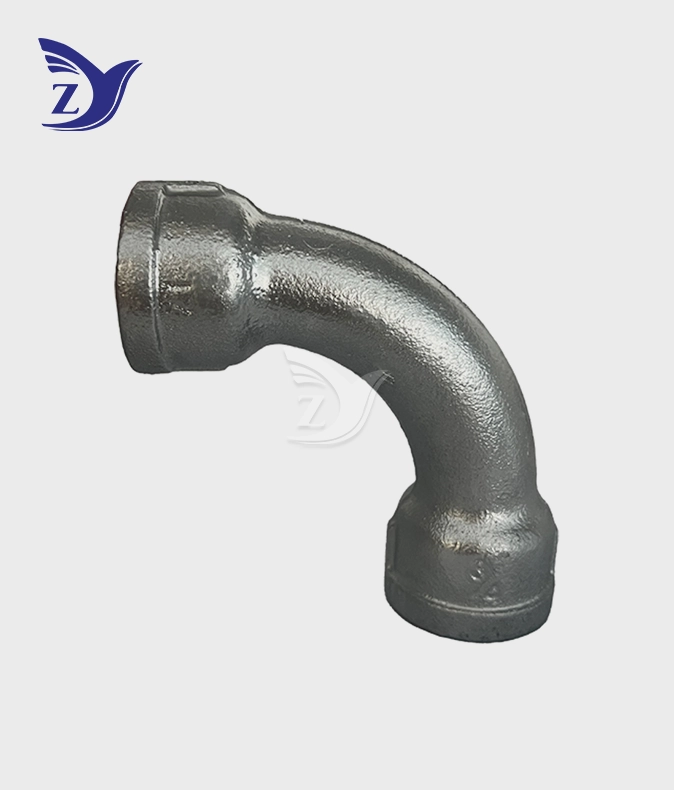
NPT Galvanized Female-Female 90° Long Radius Elbow Pipe Fittings