
May 16, 2026
What is the difference between equal tee and straight tee?
For B2B buying teams and system designers, the difference between these two types is very important. Equal tees make sure that all three ports are the same size, which makes equal flow patterns that are perfect for balanced distribution networks. Straight tees, especially black square face straight tee pipe fitting supports, have design features that change how well they resist torque, how well they handle pressure, and how well they join. Knowing these differences helps procurement professionals choose the best materials, cut down on mistakes during installation, and make sure that the new materials will work with the old pipeline specs. Whether you're looking for fittings for a chemical processing plant or a fire sprinkler system, the type of tee that fits your needs will have a direct effect on the results of the job and the total cost of ownership.
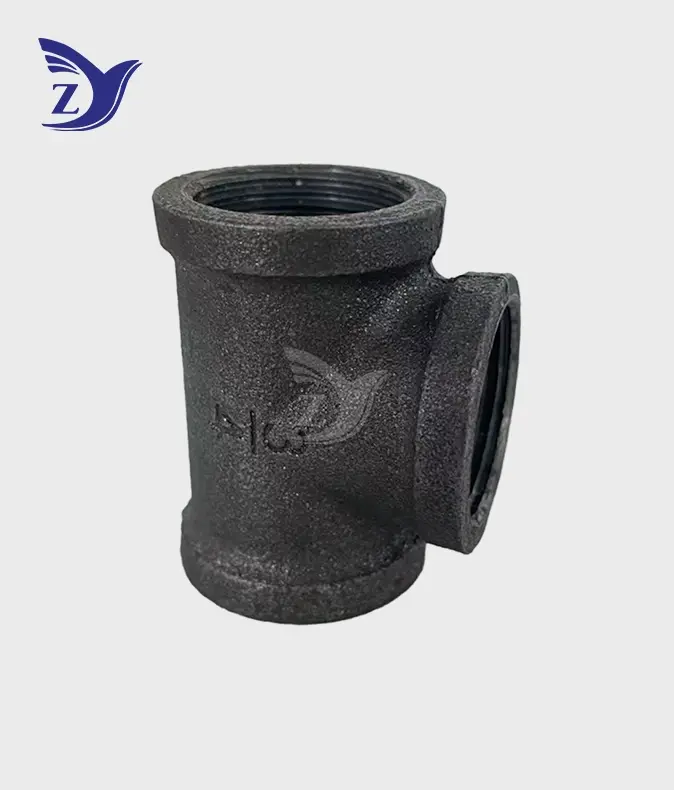
Tee Pipe Fittings: Equal Tee vs Straight Tee
Tee fittings let fluids split or join at 90-degree angles because they make three-way links in pipe systems. At first, the terms may seem hard to understand, but the useful differences become clear when you look at their dimensions and what they are meant to do.
What Defines an Equal Tee?
All three holes on an equal tee have the same port size. The inlet and both outputs have the same nominal pipe size. When you need even pressure on multiple branches, equal tees are the best choice because they make sure that the flow is spread out evenly. Equal tees keep flow rates steady in HVAC systems and city water supply networks. They do this by preventing turbulence or pressure drops at the joint. The symmetrical design also makes it easier to keep track of supplies, since all the sizes are standard and match the width of your main pipe.
Understanding Straight Tee Configurations
Straight tees, which are also called lowering tees when one exit is different sizes, let the main flow go straight through while making a branch that goes in a different direction. "Straight" means that the flow path goes through two ports that are lined up and then splits off at a right angle from the third port. Black iron straight tee that can be shaped and reinforced with a square face make the outfit even more useful. The square face design has flat, banded support bands at threaded holes that add mass to stress points and keep the piece from deforming while it's being installed. This strong design is important for high-torque assembly tasks where regular round bead fits might break.
Black square face straight tee pipe fitting uses either NPT or BSPT threading standards. When properly torqued, the tapered thread shape forms a seal between the two metals. The black finish, which is usually a protective oxide covering or lacquer, stops rust temporarily while it's being stored and works in situations where galvanization isn't needed or might mess up the system's chemistry.
Material and Design Considerations
It is possible to make both equal and straight tees out of black malleable iron, which is more flexible than gray cast iron. The fitting can slightly bend under stress without breaking because of the way the material is made. This is a very important feature for systems that are subject to temperature cycling or shaking. Precision fitting makes sure that the threads work with both NPT and BSPT standards, meeting the needs of both American and foreign markets. The square-edge shape on some straight tees increases the surface area that can be gripped by a wrench. This lowers the risk of thread stripping during installation, which is a common problem that plumbing workers who work with high-pressure systems report.
Key Differences Between Equal Tee and Straight Tee: A Technical Comparison
Flow Direction and Pressure Distribution
When you use equal tees, you get uniform flow patterns, which means that the speed and pressure of the fluid stay pretty much the same in all three openings. They work well in distribution maps where each branch needs to perform consistently because of this trait. On the other hand, straight tees focus on keeping flow along the main line while letting some flow out through the branch exit. Straight tees are better for situations where the main line needs to keep moving quickly, like fire protection mains that feed multiple sprinkler levels, because they reduce pressure drop along the main flow path.
The black square face straight tee pipe fitting reinforcement on straight tees made of malleable iron makes the weaker places stronger, which is where hoop stress builds up during pressure spikes. This design stops the bell-mouthing effect, which happens when threaded joints slowly get bigger when they are loaded and unloaded over and over again, leading to leaks. Testing from industrial settings shows that when heat expansion cycles are repeated, square face fittings hold up up to 30% better against bending than standard round bead versions.
Material Properties and Durability
An annealing process changes the brittle carbide structures in white cast iron into flexible temper carbon nodules in black pliable iron fittings. This change in the metal's structure gives it a tensile strength of about 40,000 psi and a minimum extension of 5%. This means that the fitting will stretch a little before it breaks, but it won't break in a huge way. The corrosion resistance comes from the protective black oxide coating. This coating stops flash rust while it's being shipped and when it's first being put together. Even though this layer isn't as strong as zinc galvanizing, it works just fine in oil, gas, and steam uses where galvanizing might flake or react chemically with fluids in the system.
The square-edge shape makes it even more durable by spreading the fitting torque over a larger contact area. When a pipe wrench grips the flat surfaces, the force is spread out widely instead of focusing on a few points of contact. This makes it less likely that the pipes will crack while they are being put together.
Installation Procedures and Maintenance Strategies
It's important to pay attention to flow direction when installing equal tees, especially when working with reducing setups. Standard equal tees, on the other hand, can be directed in any direction. When you place a black square face straight tee pipe fitting, you have to be more careful because the through-ports have to line up with the main flow direction. Thread preparation is important for both types of fittings. Thoroughly cleaning the threads, adding the right sealant or tape, and torquing them to the manufacturer's specs stops leaks and failure before it's supposed to.
There are some differences in how to maintain the two types. In balanced distribution systems, equal tees usually wear the same amount on all ports, which makes checking easy. When flow diverts at right angles, it creates turbulence that can speed up erosion at the branch exit in straight tees used in high-velocity situations. When square face plates are inspected on a regular basis, the support bands should be checked for stress cracks or rust pitting that could weaken the structure. The black oxide coating needs to be watched over in damp places; adding a thin layer of oil during regular maintenance makes it last longer in places where condensation is likely to form.
Applications and Industry Use Cases for Black Square Face Straight Tee Pipe Fittings
Fire Protection Systems and Emergency Services
Fire safety engineering firms count on threaded, bendable fittings that will not break when they're needed most. In sprinkler system risers, where the main vertical pipe goes up and branch lines feed different floors, square face straight tees work best. The stronger design can handle the high installation torques needed for large-diameter pipes without breaking, and the curved thread seal keeps the pressure stable during the yearly hydrostatic tests. When I talk to system programmers, they always say that square face fittings have fewer callback problems than standard ones. This is especially true in buildings that are prone to earthquakes or high temperatures.
Municipal and Industrial Water Distribution
Black square face straight tee pipe fittings are used by water supply companies that serve both private and business areas to branch service lines off of distribution mains. The black finish doesn't rust and works well with drinkable water systems where chlorine or chloramine treatments might make the zinc coating wear off faster. The fitting meets ASTM A197 standards, which are used by many places in their building rules and is good for municipal engineering projects. Precision threading makes sure that it works with current infrastructure, so maintenance teams can fix things without having to worry about thread mismatches or seal failures.
Oil, Gas, and Chemical Processing
In petrochemical plants, there are harsh conditions like acidic fluids, high temperatures, and changes in pressure that make normal parts difficult to use. Black straight tees made of pliable iron and reinforced with a square face work well in these conditions. The material is thermally stable, so the seal stays intact even when the temperature changes, and its flexible structure absorbs vibrations from pumps and compressors. Chemical companies that work with acids or liquids like that the non-galvanized black finish won't pollute process streams with zinc. In a natural gas distribution project I looked at, using square face fittings cut the number of field leaks by more than 40%. This saved a lot of money and made safety records better.
HVAC and Building Services
Every year, HVAC workers who work on commercial buildings install thousands of threaded fittings. How quickly and easily they are installed has a direct effect on how much money the project makes. Installing square-faced straight tees is faster because they make it easier to grip the wrench, which means less physical effort is needed to get the right pressure. Because the fittings work with both NPT and BSPT threading, they can be used with tools made to different regional standards. This makes it easier for workers who work with clients from other countries to keep track of their goods. The malleable iron's vibration-damping features stop noise from traveling through pipe hangers in cold water systems and heating loops. This is a small benefit that makes people more comfortable in homes and offices.
Conclusion
There is a big difference between equal tees and straight tees that goes beyond simple mathematics. It has to do with how flow works, how well structures work, and which ones can be used in different types of industries. Equal tees provide even spread for symmetrical systems, while straight tees with square face reinforcement make setups that are under a lot of stress last longer. Black malleable iron structure is flexible and stable at high temperatures, making it perfect for tough places like petroleum plants and fire protection networks. For procurement to go well, technical requirements must be matched with practical needs, seller credentials must be checked, and related standards must be followed. Now that engineering teams and procurement professionals know this, they can safely choose parts that improve system performance while keeping costs low over its lifetime.
FAQs
What advantages do square face straight tees offer over round bead designs?
Square face fittings have flat support bands that add mass to areas of high stress, stopping distortion during high-torque installation. The flat areas are easier to hold with a wrench, which lowers the risk of thread stripping and makes it easier for workers to get the right seal pressure than with round bead options.
Can these fittings handle both water and gas applications?
When rated correctly, black iron tees that can be shaped can be used for both water and gas service. Standard household and small business uses are covered by the Class 150 pressure rating. Check your local building rules to see what the fitting requirements are for natural gas installations. Some places need more certifications than the usual WOG ratings.
How does the black finish differ from galvanized coatings?
The black oxide or lacquer covering protects against rust temporarily while the item is being stored and can be used in places where galvanizing could flake or react chemically with system fluids. It takes longer for galvanized parts to rust when they are exposed to air, but they cost more and may contaminate some chemical processes with zinc.
Partner with Zhiyuan Malleable Steel for Superior Threaded Fittings
Every part that Zhiyuan Malleable Steel makes is backed by our 26 years of experience in casting and production. Our black square face straight tee pipe fittings are up to the high standards of fire safety contractors, city planners, and industrial site managers around the world. We can make up to 30,000 tons of straight tee pipe fittings every year and have more than 1,000 different product specifications. This makes us a trusted source for projects of all sizes, from bulk orders to OEM needs.
Our ISO 9001, CE, UL, and FM certifications show that we are dedicated to quality, and our inventory management makes sure that standard goods are shipped within two hours of an order being confirmed. Our engineering team can help you customize our products to meet your exact needs, whether you need NPT or BSPT threads, Class 150 pressure rates, or a special finish. You can email our procurement experts at q1236800000@gmail.com to talk about bulk prices, sample requests, or technical needs for projects you have coming up. You can look through our full product list at zymalleablepipefitting.com and learn how our precision-threaded industrial fittings can help you branch your pipelines in a way that lasts.
References
- American Society of Mechanical Engineers. (2016). ASME B16.3: Malleable Iron Threaded Fittings—Classes 150 and 300. New York: ASME Press.
- British Standards Institution. (2005). BS 21: Specification for Pipe Threads for Tubes and Fittings Where Pressure-Tight Joints Are Made on the Threads. London: BSI Standards.
- Davis, J.R. (1996). Cast Irons: ASM Specialty Handbook. Materials Park, Ohio: ASM International.
- National Fire Protection Association. (2019). NFPA 13: Standard for the Installation of Sprinkler Systems. Quincy, Massachusetts: NFPA.
- Stewart, H.L. (2010). Pneumatics and Hydraulics: Revised and Expanded. Indianapolis: Audel Technical Trades Series.
- Zappe, R.W. (2004). Valve Selection Handbook: Engineering Fundamentals for Selecting the Right Valve Design for Every Industrial Flow Application. Burlington, Massachusetts: Gulf Professional Publishing.
Online Message
YOU MAY LIKE
High quality furniture manufacturer
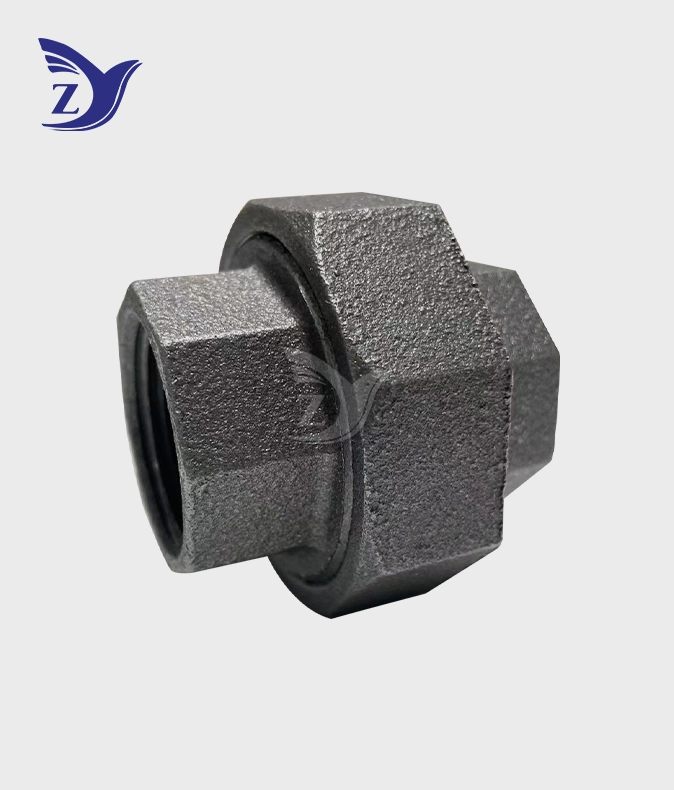
NPT Black Union 342 Pipe Fittings
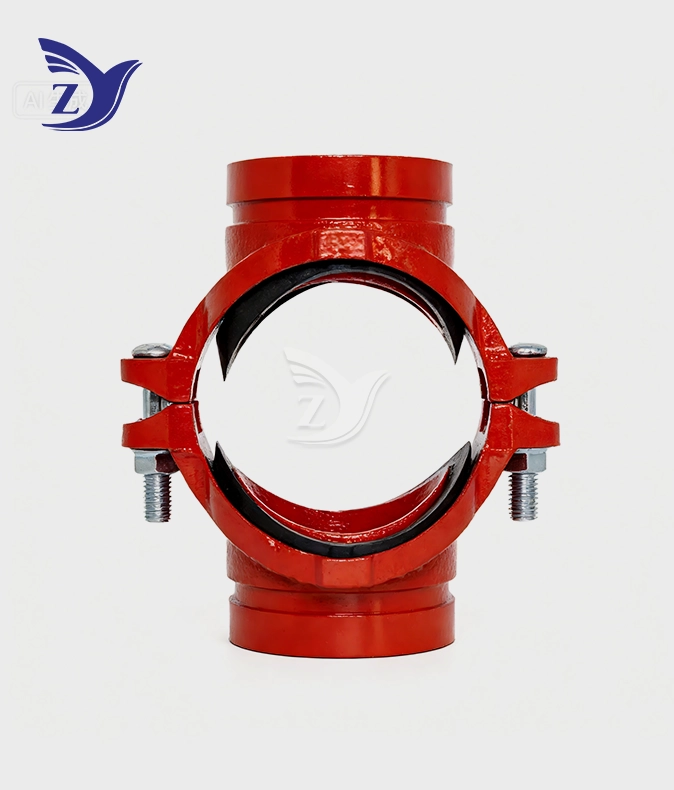
Threaded Mechanical Cross
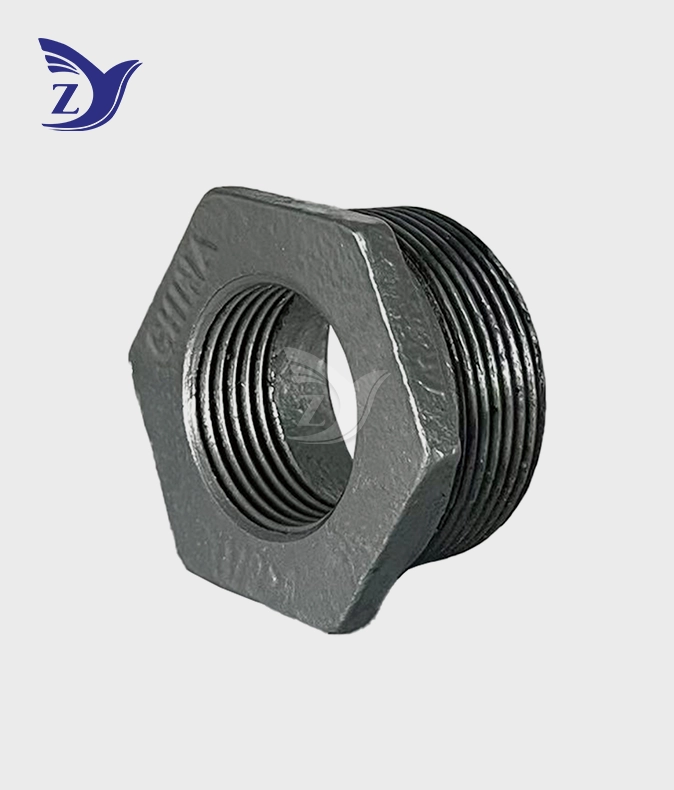
NPT Galvanized Bushing Pipe Fittings
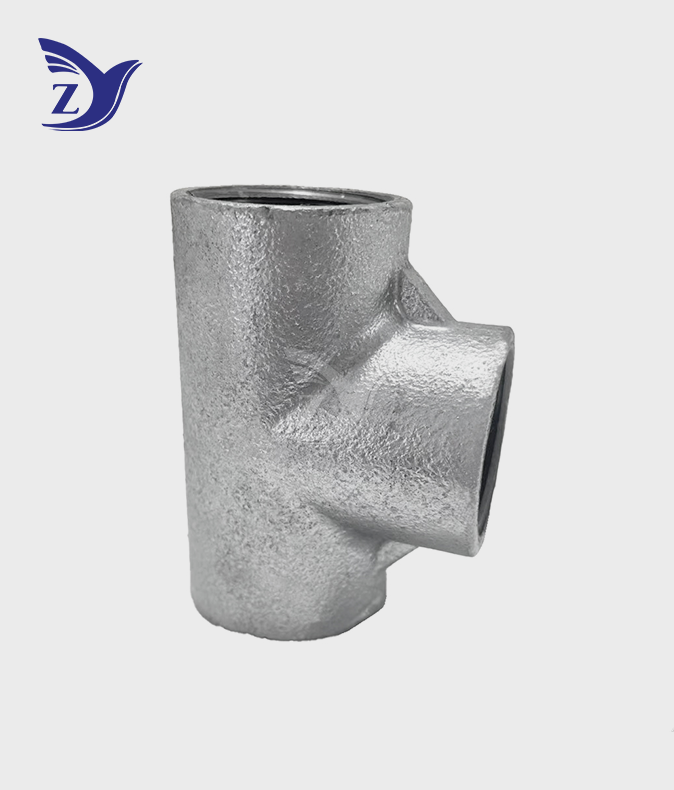
No Hub Hot Dip Galvanized Straight Tee Pipe Fitting
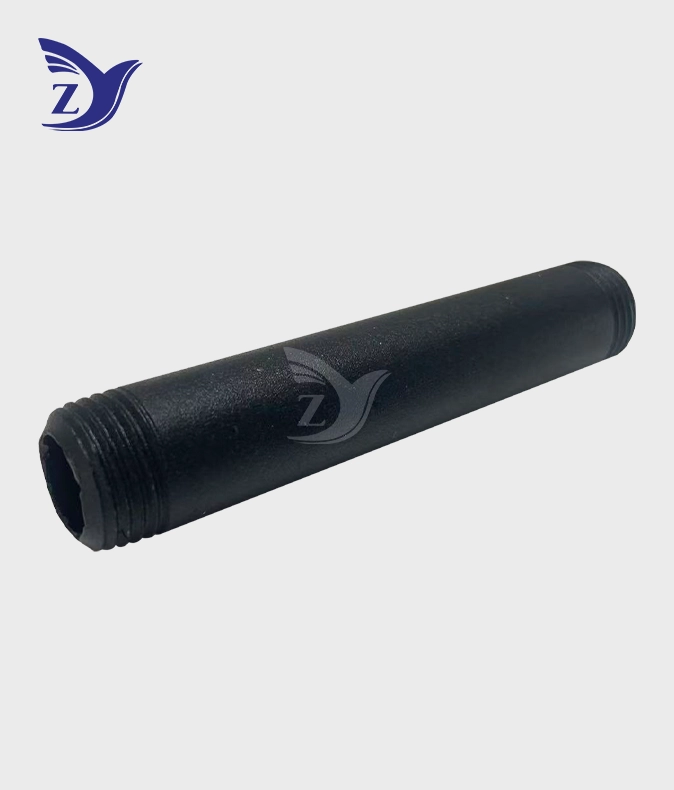
Carbon Steel Pipe Male Threaded Fittings Black Oxide Treated
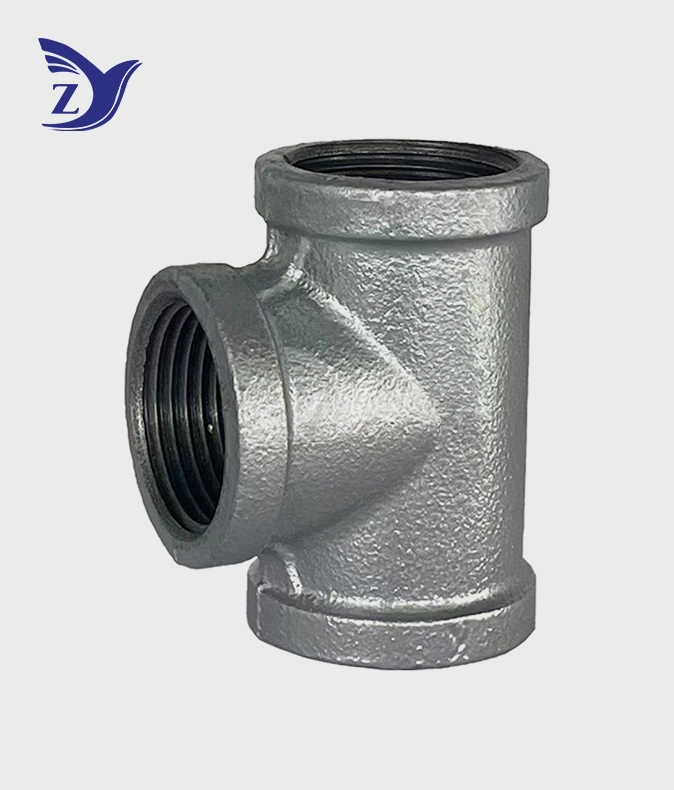
NPT Square Face Galvanized Square Edge Straight Tee Pipe Fittings
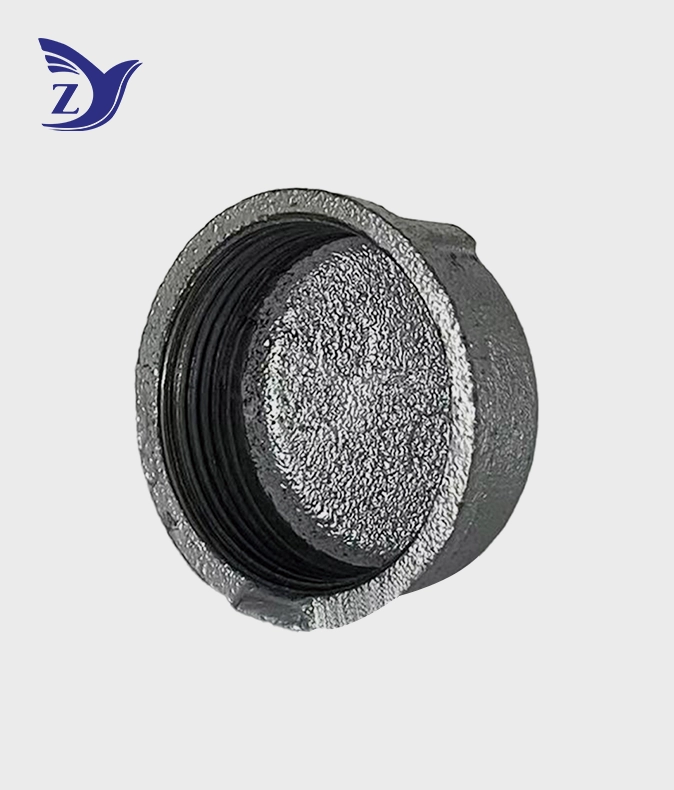
NPT Galvanized Pipe Cap Pipe Fittings
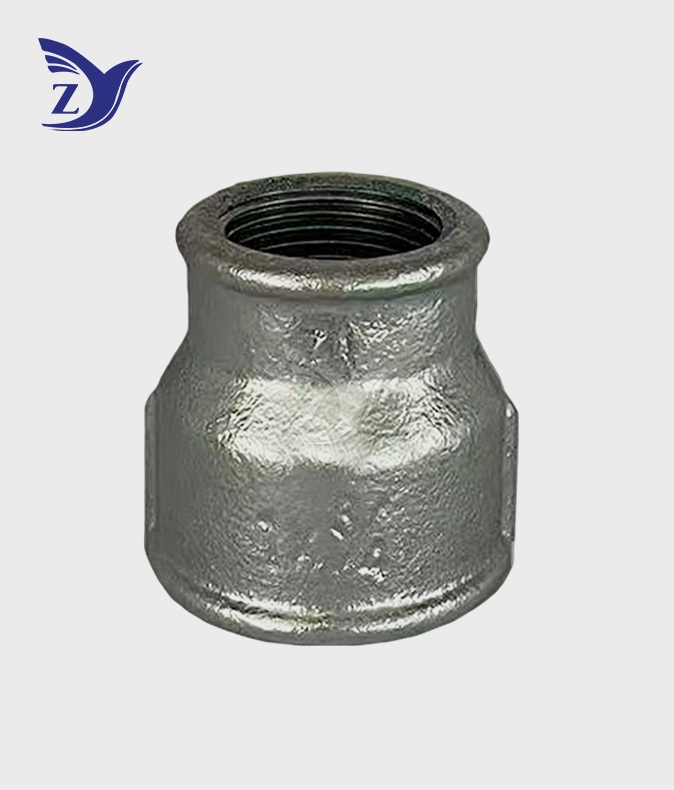
BSPT Round Face Galvanized Round Edge Reducing Coupling Pipe Fittings