
May 20, 2026
What is an NPT pipe plug?
It is a threaded fitting that is used to shut the open end of a pipe or block off an exit that isn't being used in a pipeline system. National Pipe Taper, or NPT, is a standard thread shape that is used all over North America to make water, gas, steam, and oil plugs that are leak-proof. The taper design, in which the thread width gradually narrows at an angle of 1° 47', lets the plug fit tightly into a female threaded hole. This squeezes the threads together and makes a mechanical seal that stops leaks. Many engineers use the black flangeless plug pipe fitting to make strong seals. This is a special type that doesn't have an external hex head and has a low profile, which makes it perfect for tight spaces where regular plugs would stick out and get in the way of other equipment.
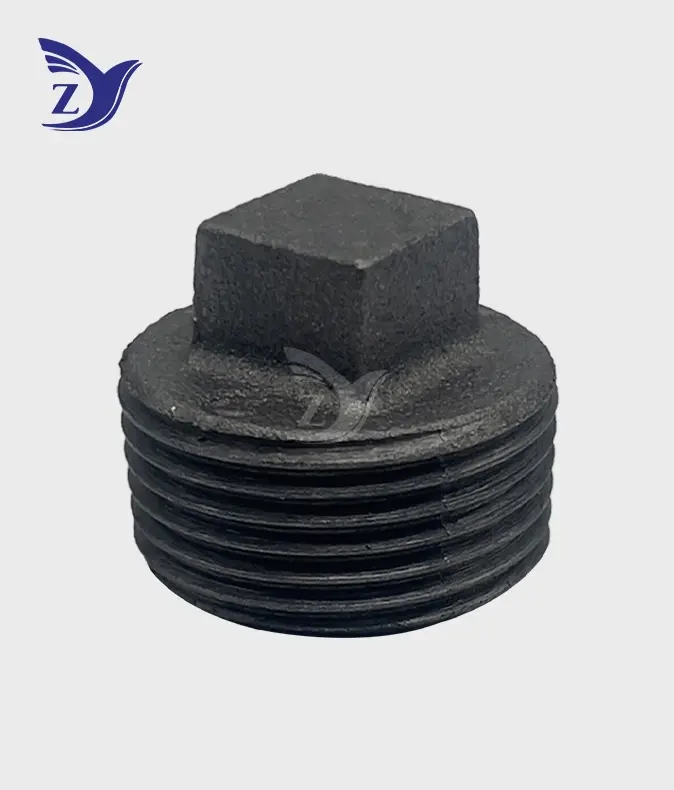
Understanding NPT Pipe Plugs and Black Flangeless Plug Pipe Fittings
What Makes NPT Threading Unique
As per ANSI/ASME B1.20.1 standards, the NPT thread has a 60-degree thread angle and a taper ratio of 1 inch for every 16 inches of length. As you tighten the plug, this design makes sure that the male threads connect deeper into the female threads. This causes interference that squeezes thread sealant or PTFE tape into tiny gaps. The end result is a joint that can handle up to 3000 psi of pressure, based on the type of material used and the thickness of the walls.
Design Characteristics of Black Flangeless Plug Pipe Fittings
The black flangeless plug pipe fitting is different from regular plugs because it has an internal countersunk drive mechanism, which is usually a hex hole or square opening. With this form, the fitting can sit almost flush with the mounting surface, which saves up to 40% of space compared to options with heads. The "black" finish is a protective black oxide or lacquer covering that is put on malleable iron. It provides basic rust protection while still being a great heat conductor for steam and hot water systems.
How Flangeless Plugs Achieve Reliable Sealing
The sealing system depends on the threads being engaged correctly and the right amount of pressure being applied. When the part is being installed, the rotating force slightly bends the tapered threads, and thread sealer fills in any gaps that are left. The flangeless design focuses the clamping force directly along the thread path instead of spreading it out through an external head. This usually leads to more even seal tension. Through hydrostatic testing, we saw that flangeless plugs that are properly placed stay in place at 1.5 times their rated working pressure. This means that they meet the strict safety standards needed in fire protection and industrial process uses.
Key Features and Benefits of Black Flangeless Plug Pipe Fittings
Industrial buyers look for parts that improve performance in a measured way while keeping the total cost of ownership low. The black flangeless plug pipe fitting meets these needs by using material science and smart engineering.
Material Composition and Durability
Most good flangeless plugs are made from ASTM A197 malleable iron. This is white cast iron that has been heated in a controlled way to turn it into a flexible, shock-resistant material. The carbon content is usually between 2.5% and 3.0%, and silicon and manganese are added to make it more fluid during casting and improve the structure of the grains in the end. This mix has a tensile strength of about 350 MPa and enough flexibility to keep it from cracking during high-torque installation.
Thermal oxidation or the coating of a protected lacquer are used to make the surface black. Even though this finish isn't as resistant to rusting as hot-dip galvanizing, it works great in systems that don't rust or hold oil, because iron oxide naturally sticks to petroleum-based fluids, which makes seals last longer.
Comparative Advantages for Procurement Teams
Comparing flangeless plugs to standard options shows a number of practical and financial advantages:
Space Efficiency: The countersunk shape cuts protrusion by 15 to 20 mm compared to hex-head plugs, which is very important in crowded pipelines or mechanical enclosures where clearance limits repair crews' ability to get to parts.
Installation Speed: When working in small spaces, technicians can get the right force faster and with less chance of wrench slippage when using socket drivers to do the job. According to reports from HVAC workers working in the field, flangeless designs cut construction time by 25 to 30 percent.
Vibration Resistance: The flush fitting cuts down on the places where shaking can loosen threaded connections. Power plants that use these plugs in their cooling water systems say that they don't have to re-torque them as often.
Cost Optimization: Each plug may cost 10–15% more than a regular square-head plug, but the lower number of specialized tools needed and the time saved on installation often make up for the extra cost. This is especially true for projects that need dozens or hundreds of plugs.
These benefits directly lead to better project costs and operating stability, two things that wholesale wholesalers and system designers in charge of big installations care about a lot.
Comparative Analysis: Black Flangeless Plug vs Alternative Pipe Plugs
Structural and Performance Differences
Flanged plugs, which have external hex or square heads, are easier to remove when entry is available, and you can see that the plug is still tight. In exchange, it takes up more room and is more likely to get damaged by impacts in places with a lot of traffic.
Bar plugs have a threaded body and a transverse bar that can be tightened by hand. They are good for temporary closures or low-pressure uses, but they don't have enough force for lasting high-pressure seals. Expansion plugs made of rubber or mechanical parts can be installed without tools, but they can only handle up to 150 psi of pressure and are less effective when temperatures change.
In terms of performance, the black flangeless plug pipe fitting hits the sweet spot: it can be fitted permanently, can handle high pressures, has a small shape, and can't be changed once it's in place. The second trait is especially important for municipal water companies when it comes to meter bars, where illegal removal could damage the system.
Material Performance in Service Environments
When used with oil, natural gas, or steam, black malleable iron works great because zinc coats can flake off and get on sensitive equipment. The material's thermal expansion rate is very close to that of steel pipes, which lowers stress at threaded joints when temperatures change.
Stainless steel options are better at resisting corrosion in chemical processing or sea settings, but they are 3–4 times more expensive than malleable iron and need higher installation torques because they tend to galle. Brass plugs can be used in systems that handle drinkable water where iron oxide staining is not okay, but they can't handle high pressures because they aren't as strong.
Project engineers should look at all of the costs over the whole lifespan, not just the prices of the original purchases. A $2.50 black flexible plug that lasts 20 years in a natural gas distribution system is a better deal than a $1.80 brass plug that needs to be replaced every 8 years because it loses its zinc coating.
Procurement and Sourcing Guide for Black Flangeless Plug Pipe Fittings
Supplier Evaluation Criteria
Checking the qualifications of the maker is the first step in reliable sourcing. For systematic quality control, look for ISO 9001 certification. For fire safety uses, look for product-specific approvals like UL or FM. Ask the mill for test results that prove the material's makeup and mechanical traits meet ASTM requirements.
When projects are scaled up, production ability is important. If the provider only has a small furnace, they might not be able to get 10,000 pieces to you in time for the building deadline. Zhiyuan Malleable Steel runs eight 3-ton medium frequency electric furnaces that can produce more than 30,000 tons of steel each year. This makes sure that large-scale industry and local projects always have steel.
Pricing Dynamics and Negotiation Strategies
The price of materials changes with the price of iron and energy, but they only make up 40 to 50 percent of the total cost of fitting. The accuracy of the machining, the strictness of the quality checking, and the finishing processes all have a big effect on unit prices. When comparing prices, make sure that the specs are the same. For example, a plug that meets ANSI B16.14 Class 300 standards should cost more than a Class 150 version.
Tier systems are often used for volume savings. Prices are the same for orders under 500 pieces, 8–12% less for orders between 500 and 2000 pieces, and 15-20% less for orders over 5000 pieces. Container-load shipping cut transportation costs per unit even more, by 30 to 40 percent compared to LTL freight.
Before placing a large order, ask for examples. Specifications alone can't show the quality of the making, but a physical check can. Check the thread finish with a magnifying glass, use calipers to measure the thickness of the wall, and do a test fitting to make sure the drive socket is solid.
Quality Assurance and Compliance
Reputable makers check the dimensions of their products with accurate L1 ring gauges to make sure the threads are straight. They also test random samples under 1.5 times the estimated pressure of hydrostatic pressure. Ask for proof of these tests and reports of chemical makeup from spectroscopic analysis.
Zhiyuan Malleable Steel's quality control follows strict protocols: every batch undergoes thread gauging, surface finish inspection, and material composition verification. Our CE, UL, and FM certifications show that we consistently meet foreign standards. This is very important for builders who work in different places with different building codes.
Conclusion
Water, gas, steam, and industrial fluid systems all need NPT pipe plugs to keep the leaks from happening. The black flangeless plug pipe fitting is especially useful in tight spaces where fixed, high-pressure caps are needed. When procurement workers know about thread mechanics, material properties, and the best ways to put things, they can choose parts that save money on the job right away and work well for a long time. As pipeline systems get more complicated and space becomes more valuable in mechanical designs, flangeless plugs become more valuable options for engineers and contractors who want to save time and money without sacrificing safety or durability. This is because they have a small profile and strong performance.
FAQs
What thread sealant works best with NPT flangeless plugs?
Water and low-pressure gas up to 250°F can be used with PTFE tape. Anaerobic liquid coatings can handle steam and temperatures up to 400°F. They also hold up better against vibrations than tape. Sealant should only be put on male threads and not on the first two threads.
Can I interchange NPT and BSPT threaded plugs?
Because the thread angles are different (60° vs. 55°), mixing NPT and BSPT makes covers that don't work well. Even though the joint may feel tight at first, the loose threads allow for leaking when pressure is applied. If you're not sure, use thread lengths to make sure that the thread standards on two parts that fit together are the same.
How do I prevent cross-threading during installation?
Start threading by hand until the resistance rises on its own after a few turns. If the plug gets stuck right away, pull it all the way out and re-align it. When you use too much force on a wrench before properly engaging the threads, you damage both the male and female threads, which costs a lot to fix.
What size socket drive do common NPT plug sizes require?
Most flangeless plugs have internal hex sockets. Plugs that are 1/8" to 1/4" usually use 3mm-5mm hex keys, plugs that are 3/8" to 1" use 6mm-10mm, and plugs that are 1-1/4" or bigger usually have 12mm-17mm sockets. Always check the manufacturer's standards for measurements before buying installation tools.
Partner with Zhiyuan Malleable Steel for Your Industrial Piping Needs
Selecting the right black flangeless plug pipe fitting supplier directly impacts project timelines, budget adherence, and long-term system performance. Zhiyuan Malleable Steel brings 26 years of casting expertise and advanced manufacturing capabilities to every order. Our precision-threaded unflanged plugs meet ASTM A197 standards, undergo rigorous quality inspections, and ship with full material certifications. With 30,000-ton annual capacity and complete size ranges from 1/8" to 4" in both NPT and BSPT configurations, we support projects from municipal water systems to petrochemical installations. Our ISO 9001, CE, UL, and FM certifications ensure compliance with international standards, while our ODM/OEM customization services address unique specifications for specialized applications. Contact our engineering team at q1236800000@gmail.com to discuss your requirements and receive a detailed quotation from a trusted black flangeless plug pipe fitting manufacturer committed to delivering quality products and responsive service.
References
- American Society of Mechanical Engineers. (2017). ASME B1.20.1: Pipe Threads, General Purpose (Inch). New York: ASME Press.
- ASTM International. (2019). ASTM A197: Standard Specification for Cupola Malleable Iron. West Conshohocken: ASTM International.
- Stewart, H. L., & Mohler, J. B. (2015). Piping Systems Manual. New York: McGraw-Hill Professional.
- Nayyar, M. L. (Ed.). (2020). Piping Handbook (8th ed.). New York: McGraw-Hill Education.
- American Water Works Association. (2018). Steel Pipe—A Guide for Design and Installation (M11). Denver: AWWA Publications.
- Ellenberger, J. P. (2016). Piping and Pipeline Calculations Manual: Construction, Design Fabrication and Examination. Oxford: Butterworth-Heinemann.
Online Message
YOU MAY LIKE
High quality furniture manufacturer
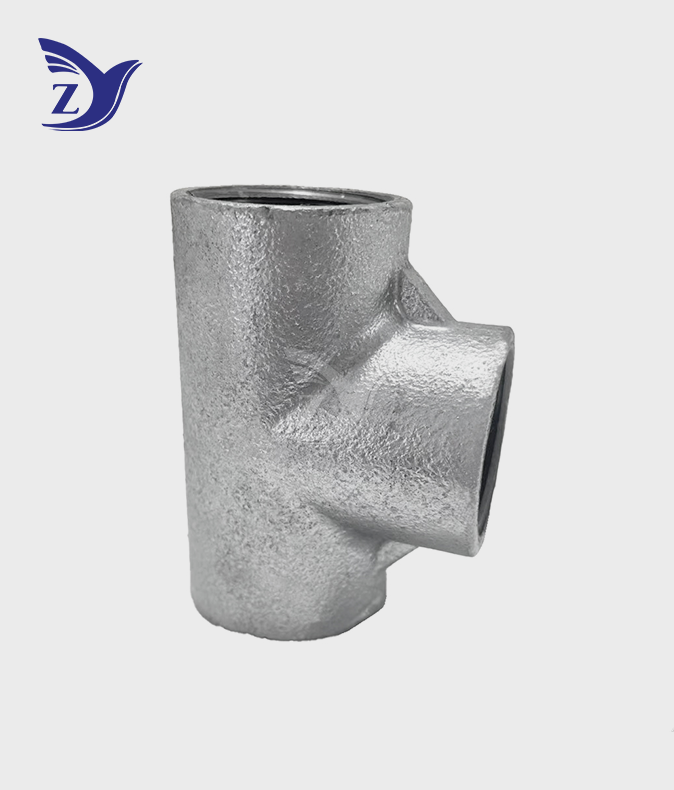
No Hub Hot Dip Galvanized Straight Tee Pipe Fitting
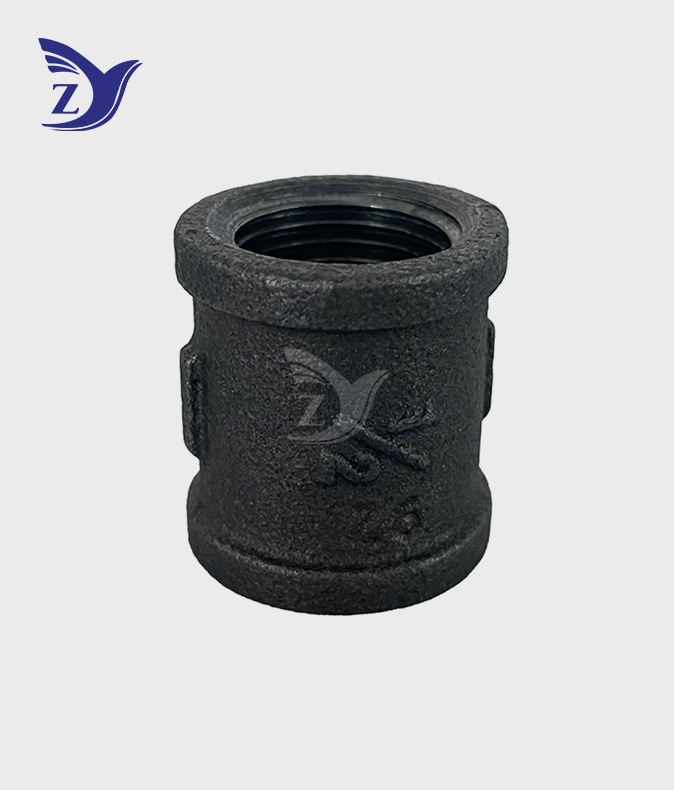
NPT Black Square Face Coupling Pipe Fittings
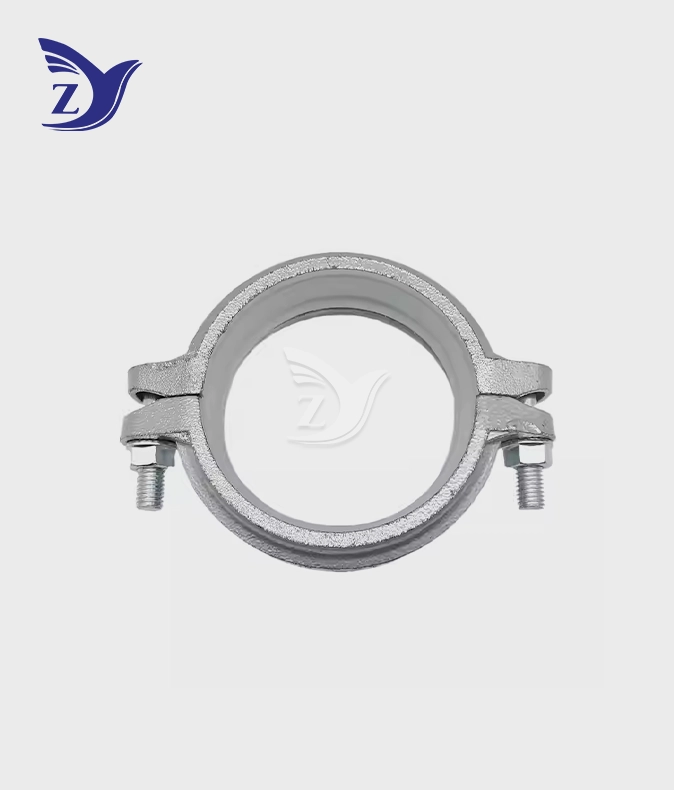
Water Grooved Clamp
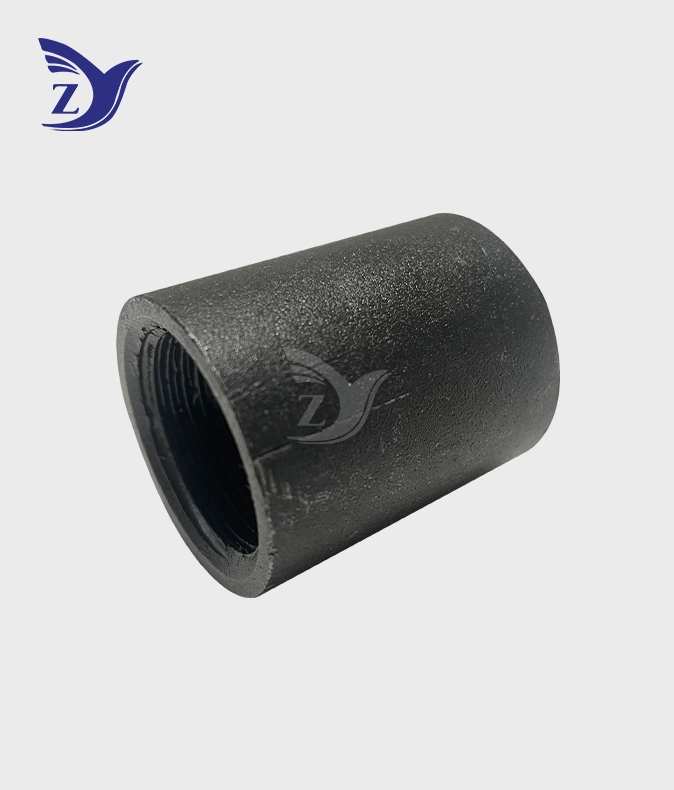
Carbon Steel Full Threaded Coupling Fittings Black Oxide Treated
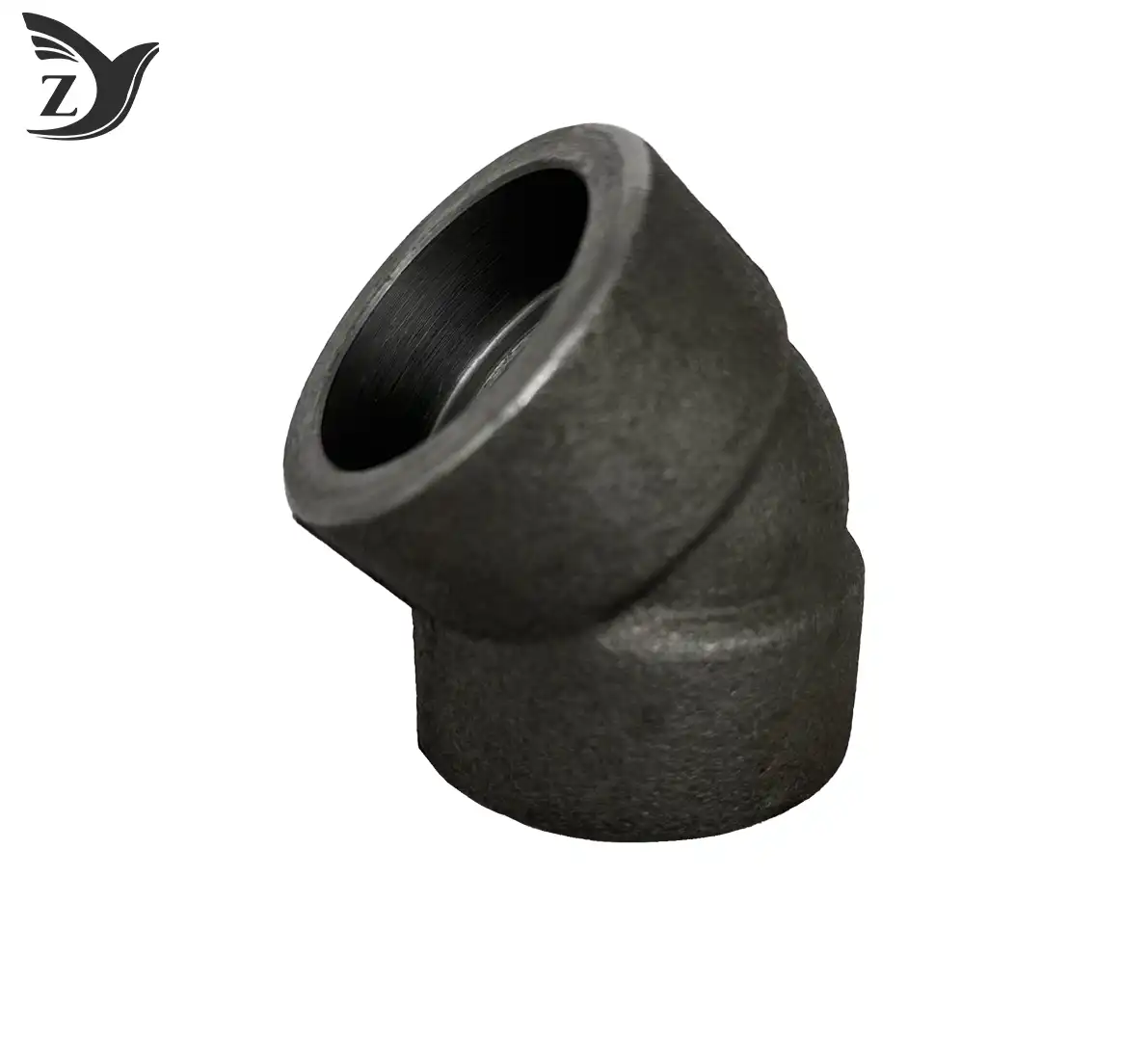
Forged Carbon Steel Socket Weld 45 Degree Elbow High Pressure Pipe Fitting
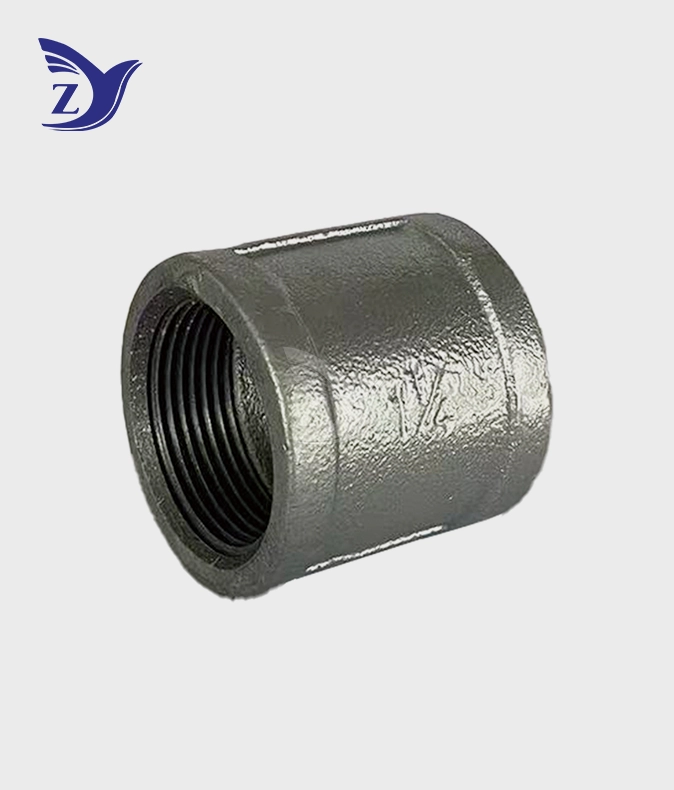
BSPT Square Face Galvanized Square Edge Coupling Pipe Fittings
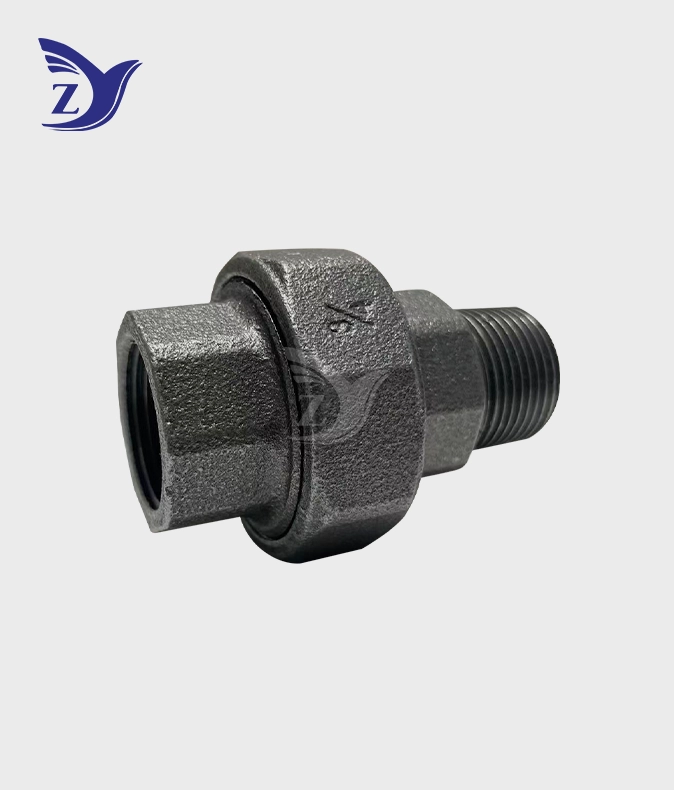
NPT Black Male-Female Union 331 Pipe Fittings
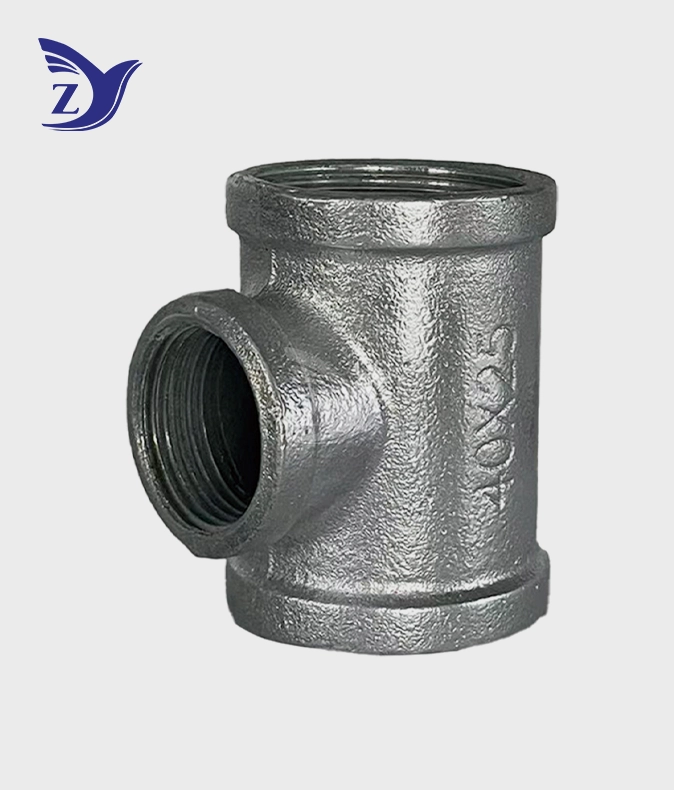
NPT Square Face Galvanized Square Edge Reducing Tee Pipe Fittings