
May 21, 2026
What is a plug pipe fitting?
I'm always amazed at how something as easy as a pipe plug can make or break an entire operation when I walk through factories, whether they're for fire protection, public water systems, or petroleum plants. The guardian of your pipeline system is the plug pipe fitting. It closes off any holes that aren't being used or ends pipe runs to stop leaks and keep the pressure stable. The black flangeless plug pipe fitting is one of the most useful types that you can choose from. This threaded closing part goes directly into female pipe holes and doesn't have an external head or flange. This makes a seal that is flush and saves room. It is made of black, malleable iron and has NPT or BSPT threading. It seals well in water, gas, and industrial settings where room is limited and rust protection is important.
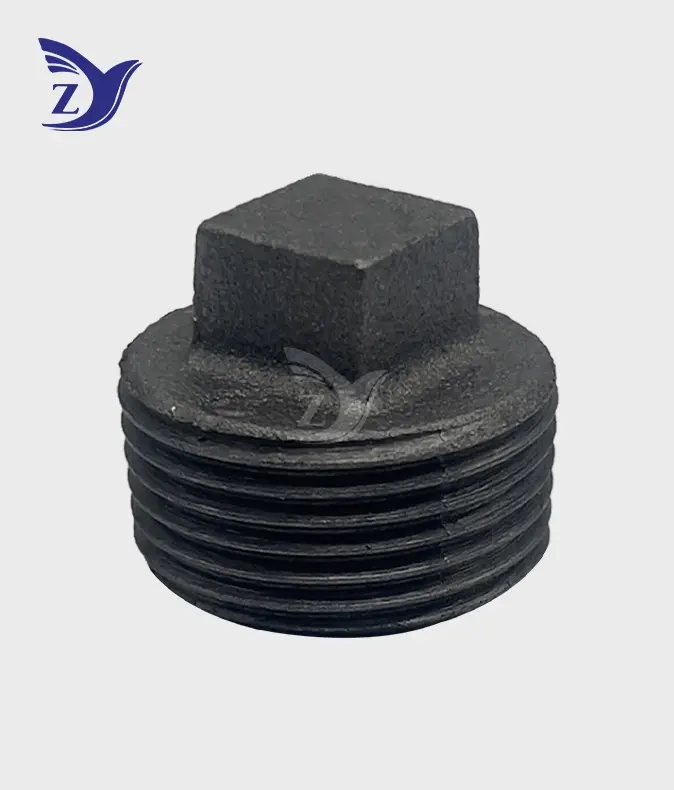
Understanding Plug Pipe Fittings
The Core Purpose of Pipe Plugs in Industrial Systems
With plug fittings, you can safely and completely close off pipe ends, unused ports on manifolds, or temporary entry points. This is a problem that many businesses face. Plugs fit into internal threads instead of caps that slip over external threads, making a stronger lock that can't be broken. This difference is very important in places with a lot of pressure, like fire protection systems or natural gas distribution networks, where even small leaks can be dangerous.
The most important part is more than just peace. Plug fits keep the system's pressure steady, stop contamination from getting in, and let changes be made in the future without having to replace whole sections of pipe. Plugs are used to briefly close off test spots during hydrostatic testing of new installations. They close off extra ports on heat exchangers, boiler pipes, and hydraulic equipment in systems that are in use.
Differentiating Flanged and Flangeless Designs
Traditional plug fits have a hex head or square drive on the outside that can be used with a wrench. This design is useful, but it takes up valuable space in busy engine rooms and makes it easier to get caught on moving parts. The black flangeless plug pipe fitting version gets around these problems with a drive mechanism that is countersunk or recessed, usually an internal hex socket. This lets the plug body sit almost flush with the connecting surface.
This low-profile shape is very useful in places where space is limited, like meter assemblies, regulator housings, and complicated manifold banks, where each millimeter matters. Maintenance workers like that there is less chance of damage from accidental impacts, and site managers like how cleaner it looks when pipeline runs are visible.
Why Black Malleable Iron Matters
The word "black" refers to the finish on the surface, not the color of the base material. Manufacturers put on a safe black oxide covering or lacquer finish after casting and annealing. In some situations, this process is better than leaving the iron bare or coated. The black finish keeps its excellent thermal conductivity, which is important for steam lines where heat transfer efficiency is important. It also protects against rust during short-term storage and shipping and can be used with oil-based products that could damage galvanized coats.
Black malleable iron is an example of an engineering balance between being strong and being easy to work with. The process of malleabilization turns brittle white cast iron into a flexible material that doesn't crack when installed or when the temperature changes. This is very important when engaging an NPT or BSPT thread, because controlled thread displacement is needed for good closing.
Key Specifications and Materials of Black Flangeless Plug Pipe Fittings
Material Composition and Performance Standards
We make black flangeless plug pipe fittings at Zhiyuan Malleable Steel according to strict ASTM A197 standards for malleable iron. This gives them a tensile strength of about 350 MPa and enough flexibility to keep the threads from coming off during installation. The material's substructure, which is made up of graphite crystals in a ferrite matrix, effectively reduces vibrations, which increases the life of fittings in moving systems such as pump discharge lines or compressor stations.
The carbon percentage is usually between 2.5% and 3.0%, and it is balanced with silicon and manganese to get the best mix of mechanical qualities and castability. This mixture works reliably at temperatures ranging from -20°F to 650°F, which is wide enough to cover most water, gas, and low-pressure steam uses found in business and public buildings.
Thread Standards and Pressure Ratings
Understanding thread specs can help you avoid expensive compatibility problems. National Pipe Taper (NPT) threads have a side angle of 60 degrees and a 1:16 taper. This makes a mechanical seal as the threads bend during assembly. The BSPT (British Standard Pipe Taper) shape has the same taper ratio and is 55 degrees. To make gas-tight joints, both standards need the right thread glue, which can be PTFE tape or pipe dope.
Ratings for pressure depend on the size and width of the wall. Standard black plugs that can be shaped usually handle:
- Class 150: Working pressure of up to 300 PSI for ½" to 6"
- Class 300: up to 3,000 PSI for projects with smaller bores
These ratings are based on temperatures at room temperature; ASME B16.39 rules say that values need to be changed for high-temperature steam service. The flangeless design doesn't make it less strong because the right fitting force spreads stress along the length of the thread engagement instead of concentrating it at an external hex head.
Custom Sizing and ODM Capabilities
Standard sizes work for most things, but non-standard sizes are often needed for unique projects. If foreign equipment is used in municipal water systems, they may need to be changed to work with metric units. For extra-thick vessel walls, petrochemical plants may need plug bodies that are longer. To deal with these problems, Zhiyuan Malleable Steel still has ODM capabilities that let them make custom castings from engineering plans within acceptable volume agreements.
Our yearly production capacity of 30,000 tons can handle both big standard orders and smaller special runs. The adaptability comes from modern casting facilities with eight 3-ton medium-frequency ovens and 156 processing stations for all kinds of machining. Because of this infrastructure, we can keep stock things ready to ship in two hours and meet special requests for sizes or threading that bigger manufacturers might turn down.
Installation and Maintenance of Black Flangeless Plug Pipe Fittings
Proper Installation Techniques
Preparing the area is the first step to a successful fitting. I always tell people to clean female threads really well to get rid of any dirt, old sealant, or rust that might get in the way of them engaging properly. A wire brush or thread chaser can fix damaged threads without damaging them. The right way to apply sealant—wrapping PTFE tape clockwise around the plug when looking at it from the drive end or brushing pipe dope evenly—ensures even closing without letting extra material get into the system.
Different sizes have different torque needs, but here are some general rules:
20 to 30 ft-lbs for ½" to ¾"
30 to 50 ft-lbs for 1" to 1½"
50 to 100 ft-lbs for 2" to 3"
For the black flangeless plug pipe fitting, you don't need a pipe wrench, but rather an Allen key or an internal hex socket driver. This controlled contact keeps the plugs from being over-torqued, which is what breaks regular hex-head plugs. Alignment is important—cross-threading is easy with curved threads, so start the fitting by hand a few times before using tools.
Troubleshooting Common Issues
Even technicians with a lot of experience run into problems. Cross-threading is usually caused by errors or dirt; most of the time, backing out and starting over fixes the problem. If there are leaks even though the torque is right, it's likely because the thread standards are not suitable. Mixing NPT and BSPT causes gaps that can't be filled with sealant. In steam service, changing temperatures can sometimes loosen plugs. In these cases, spring screws or lock wire can be used to add extra retention.
Corrosion around the fitting point means that either the galvanic connections aren't working right or the threads aren't engaging properly. Black malleable iron goes well with black steel pipe, but when it gets wet, it might respond with metals that are not the same. Using barrier seals or dielectric unions stops galvanic cells that speed up breakdown.
Extending Service Life Through Maintenance
Black oxide coats don't rust when they're stored, but they need extra protection when they're being used. Surface rust should be checked for once a year, especially in sites that are outside or in places with a lot of humidity. You can restore security without taking out the plug by wire brushing and adding rust-preventive compounds. During regular maintenance, gas systems must test for leaks using soap solution or electronic sniffers. Fixing small leaks right away stops bigger problems from happening.
After the first thermal cycle, retorquing is a good idea for temperature-stressed parts. The first heat-up makes the threads bigger and may slightly loosen the plug. After 30 days of use, checking the torque sets the long-term stability. By writing down the torque values during installation, you can use them as a starting point for future comparisons. This helps maintenance teams find wear and tear before leaks happen.
Conclusion
Plug pipe fittings are important parts of many industrial, municipal, and business systems that need to close properly to keep activities and people safe. The black flangeless plug pipe fitting type is especially valuable because it saves room, is easy to install, and works well and cheaply in gas, water, and industrial settings. Knowing the qualities of the material, the standards for threads, the right way to place them, and how to keep them in good shape will make sure that these simple parts last for decades without breaking. For buying to go well, suppliers must be able to show that they have quality standards, enough production capacity, technical know-how, and a dedication to customer success. When choosing a product and seller, it's important to do your research. This is true whether you're buying fittings for a new fire protection system, replacing old city infrastructure, or getting parts for your distribution inventory.
FAQ
What thread sealant works best with black malleable iron plugs?
When PTFE tape (Teflon tape) is rated for the fluid and temperature of the job, it seals well in most situations. When looking at the plug from the drive end, wrap the tape three to four times clockwise, beginning two threads from the end. Pipe dope (thread compound) is better at filling in gaps between slightly worn threads, but it needs to be applied carefully so that it doesn't contaminate the system. If you use both at the same time, you'll end up with too much grease, which makes the power less useful. For gas service, you need coatings that are made to work with fuel gases.
Can I reuse a plug fitting after removal?
Reuse depends on the state of the thread and how important the program is. Carefully check the threads for damage like galling, warping, or buildup of sealant that could make the next fitting difficult. Drain plugs and other non-critical uses can be used again with new caulk. For effective seals, pressure systems, especially gas service, need new fittings. The low cost of new plugs makes them a cheap way to protect against breakdowns caused by leaks.
How do I identify whether my system uses NPT or BSPT threads?
Use a measure or protractor to find the thread angle. The flanks of an NPT thread are 60 degrees, while the sides of a BSPT thread are 55 degrees. This difference becomes clear when parts don't close properly even though they have enough torque. The location of the systems can help us understand them better. For example, North American systems tend to use NPT, while European and Commonwealth systems prefer BSPT. If you're not sure what to do, look at the equipment's paperwork or call the original maker before buying new fittings.
Partner with Zhiyuan Malleable Steel for Reliable Sealing Solutions
Selecting a black flangeless plug pipe fitting supplier requires more than just price sheets. You also need a manufacturing partner who knows your business needs and time constraints. Zhiyuan Malleable Steel has been making for 26 years and has a lot of quality certifications, such as ISO 9001, CE, UL, and FM approvals that meet world standards. Our 30,000-ton annual capacity and large stock inventory allow us to complete standard sizes in just two hours, avoiding supply problems that can throw off project plans. In addition to having products in stock, we also offer ODM and OEM customization services that let you make fittings exactly how you want them, whether you need metric threading, custom dimensions, or large amounts for delivery networks. Our expert team helps you with the whole buying process, from coming up with specifications to fixing problems during installation and making sure everything works well together. Protocols for quality assurance, such as pressure testing and material proof, protect your image and keep your operations safe. Get in touch with our team at q1236800000@gmail.com or visit zymalleablepipefitting.com to see all of our products if you need a black flangeless plug pipe fitting maker you can trust. We're ready to talk about how our production skills and focus on the customer can make your supply chain stronger.
References
American Society of Mechanical Engineers. (2021). ASME B16.39: Malleable Iron Threaded Pipe Unions. New York: ASME Press.
ASTM International. (2019). ASTM A197/A197M-18: Standard Specification for Cupola Malleable Iron. West Conshohocken: ASTM International.
British Standards Institution. (2020). BS 21:1985 Specification for Pipe Threads for Tubes and Fittings Where Pressure-Tight Joints Are Made on the Threads (Metric Dimensions). London: BSI Standards.
Nayyar, M. L. (2018). Piping Handbook (8th ed.). New York: McGraw-Hill Education.
Smith, P. R., & Zappe, R. W. (2017). Valve Selection Handbook: Engineering Fundamentals for Selecting the Right Valve Design (6th ed.). Oxford: Gulf Professional Publishing.
Woodson, R. D. (2016). Plumber's and Pipe Fitter's Calculations Manual (2nd ed.). New York: McGraw-Hill Education.
Online Message
YOU MAY LIKE
High quality furniture manufacturer
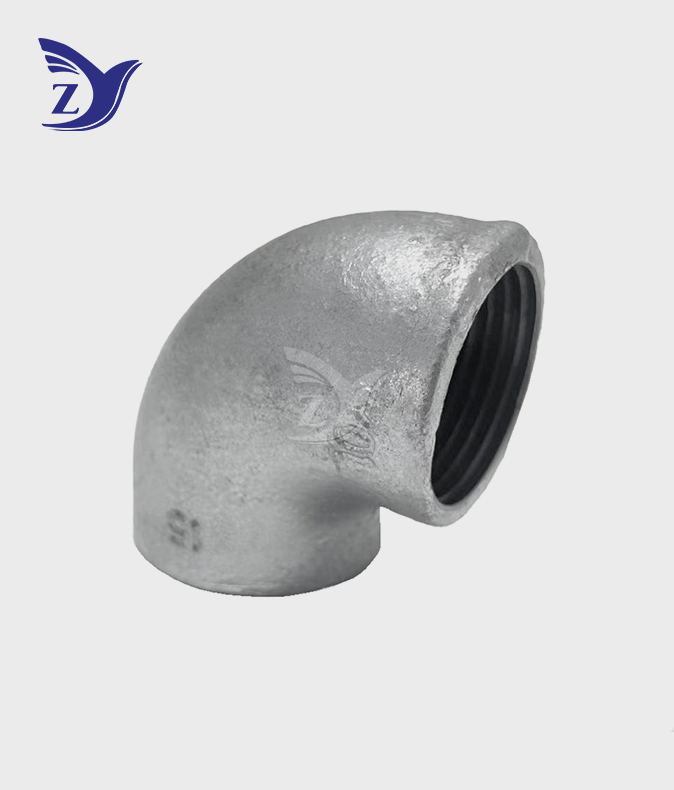
No Hub Electro Galvanized 90° Elbow Pipe Fitting
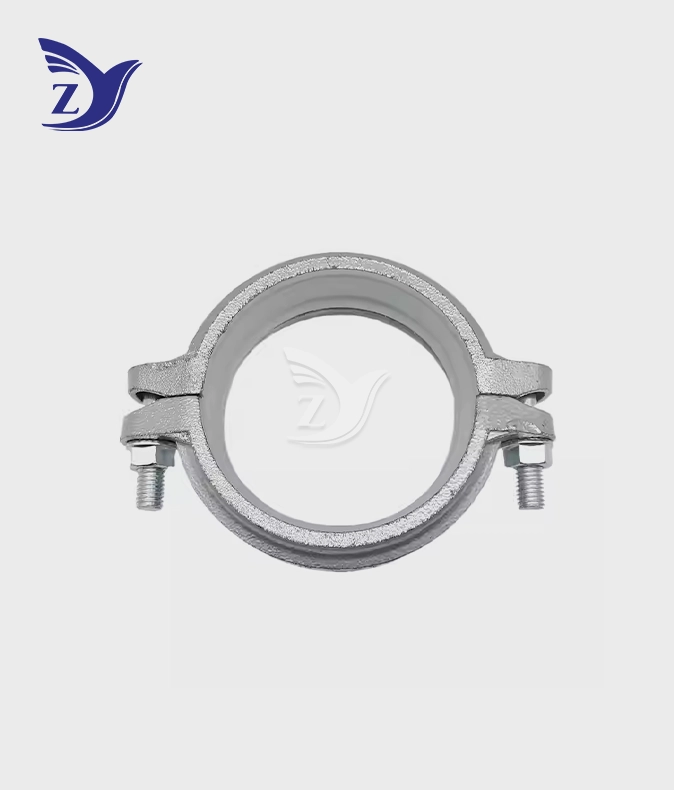
Water Grooved Clamp
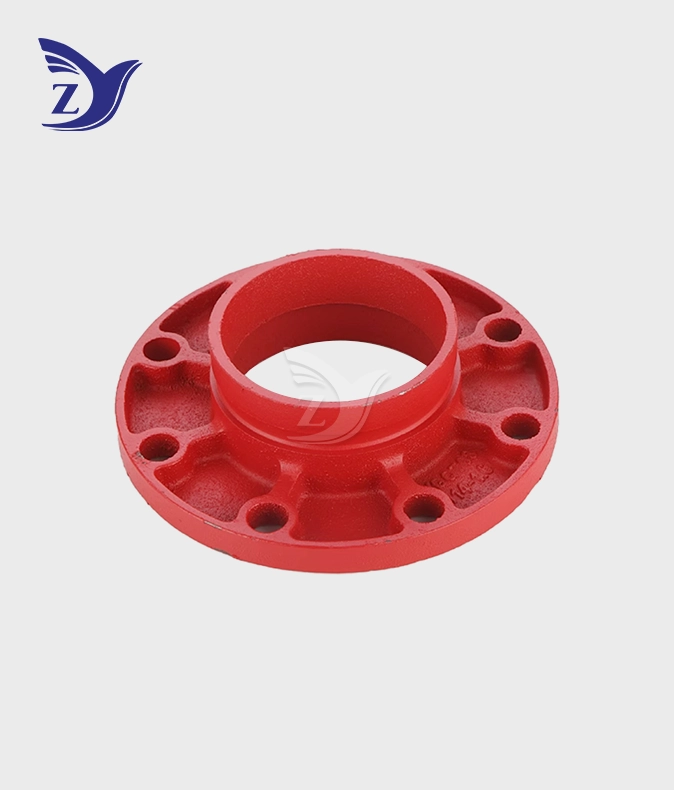
Fire Grooved Flange
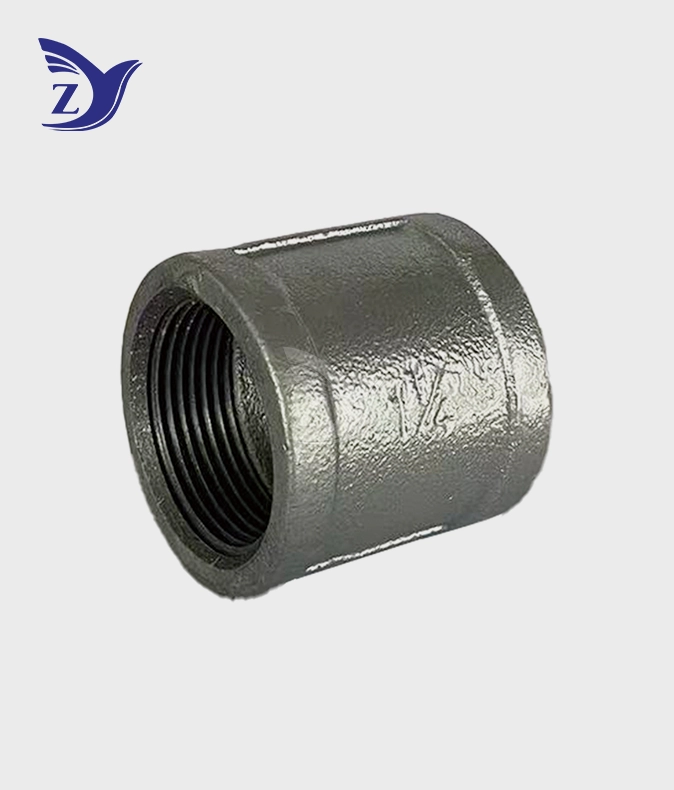
BSPT Square Face Galvanized Square Edge Coupling Pipe Fittings
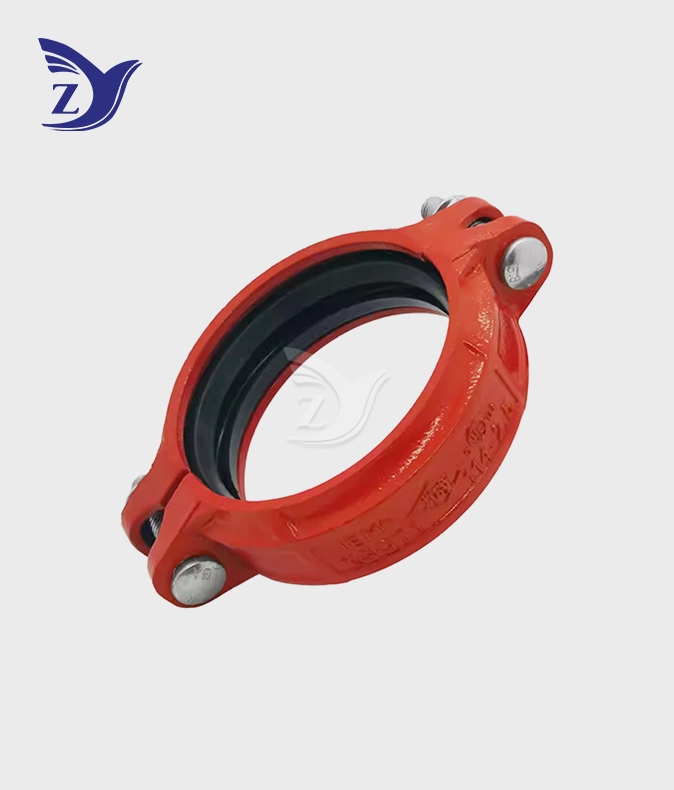
Fire Grooved Clamp
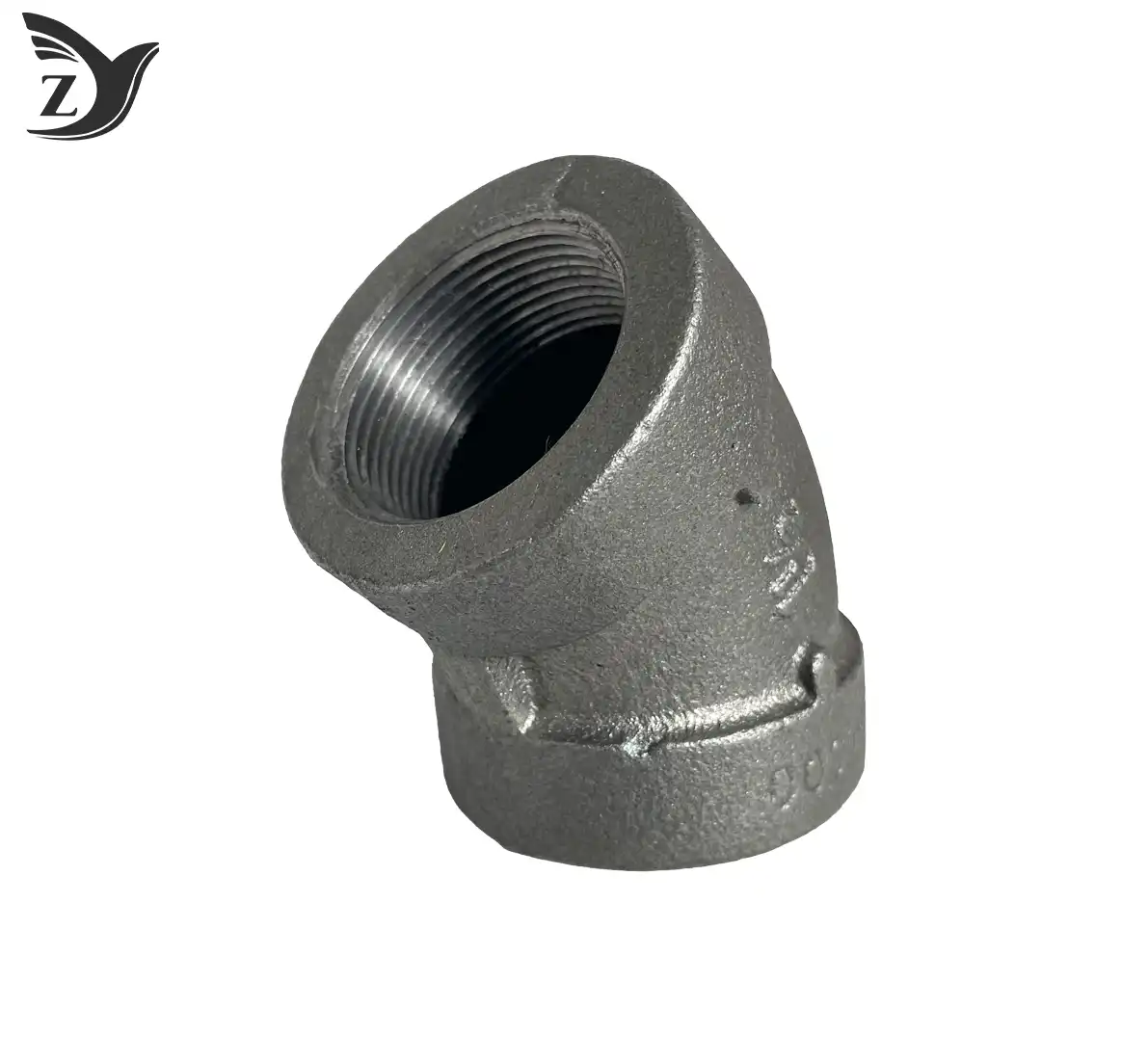
300LB Black Malleable Iron 45 Degree Threaded Elbow Pipe Fittings
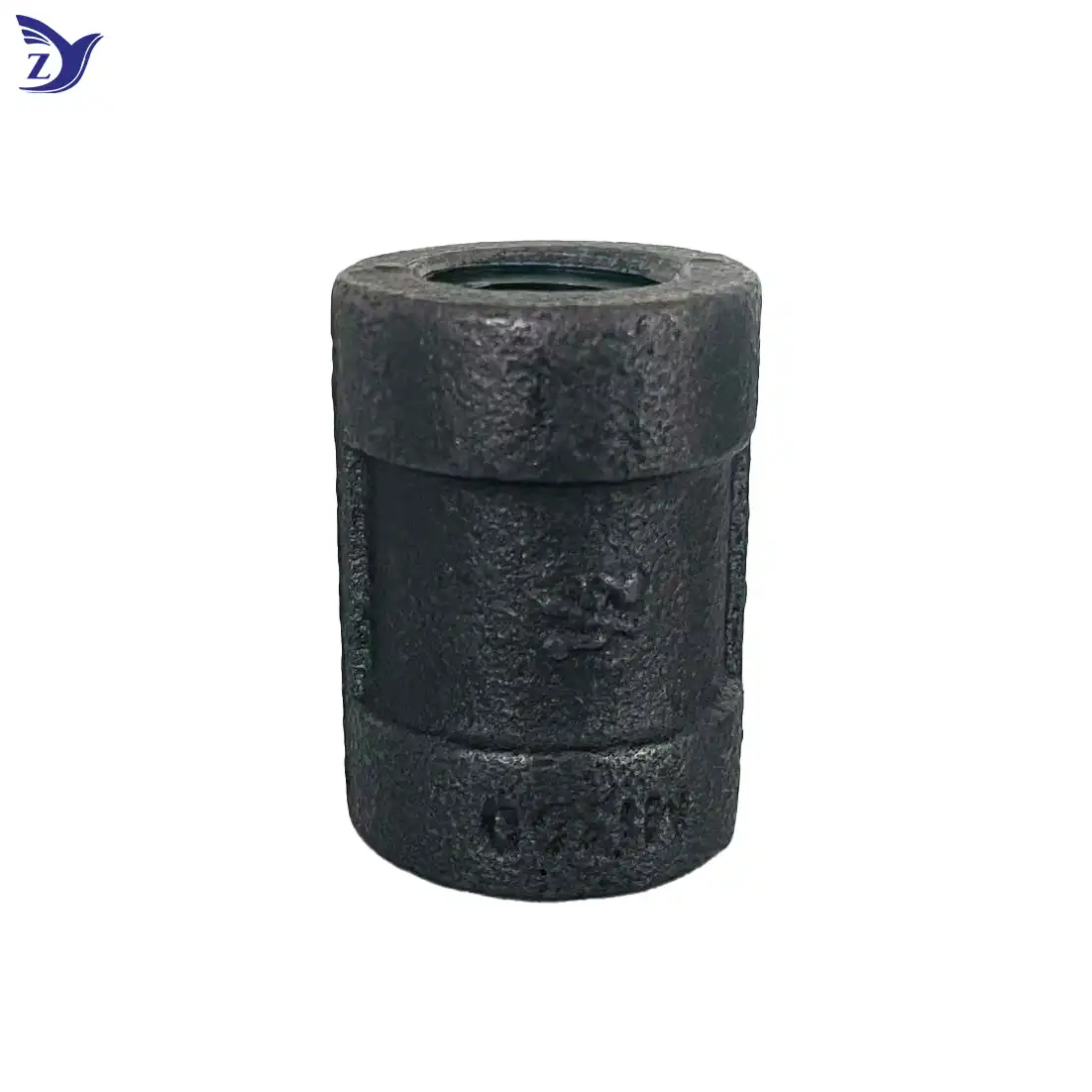
Black Malleable Iron Coupling Class 300
NPT Reducing Male Black Pipe Fitting