
Apr 2, 2026
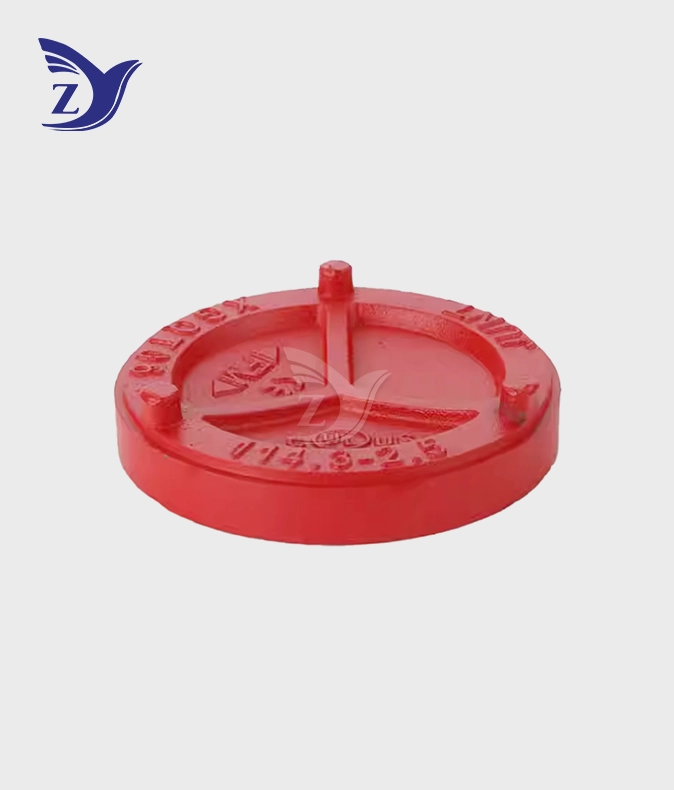
Securing pipe ends with galvanized flanged pipe plug pipe fittings
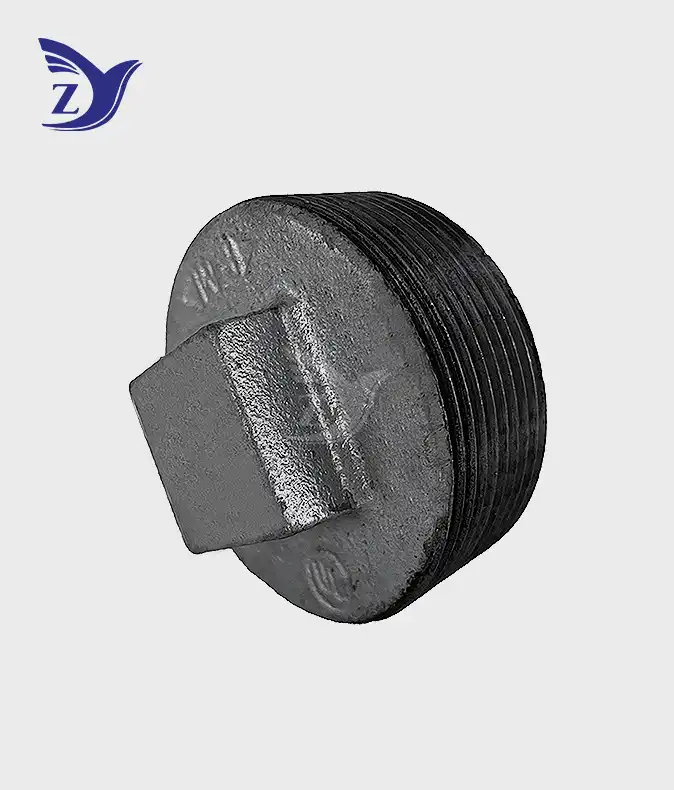
The use of specialist NPT/BSPT threaded components allows for the strong closing of industrial water and gas pipeline systems when galvanized flanged pipe plug pipe fittings are used to secure pipe ends. Integrity of systems in harsh environments relies on these corrosion-resistant, precision-threaded, hot-dipped galvanized malleable iron plugs. The anti-rust coating greatly increases service life as compared to typical steel alternatives, and the flanged construction guarantees good sealing.
Understanding Galvanized Flanged Pipe Plug Pipe Fittings
The effectiveness of the fittings used to seal off loose ends of pipes is critical to the pipeline system's dependability. To keep the system intact and stop contamination and pressure loss, industrial-grade flanged pipe plugs are an essential component. These specialist fittings are built with the mechanical strength of malleable iron and coated with hot-dipped galvanized metal, which protects them from corrosion.
Core Design Features and Materials
High-strength malleable iron is the primary component of modern galvanized flanged pipe plug pipe fittings, which meet the requirements of ASTM A197 for maximum longevity. To ensure compatibility with existing pipeline infrastructure, the production process includes precise threading to NPT or BSPT requirements. As a protective barrier against corrosion, the hot-dipped galvanizing process adds a zinc coating that is typically 70 microns thick.
When compared to regular plugs, the flanged head design has several practical benefits. Reduced thread damage during installation is a result of the increased surface area's ability to distribute installation tension more evenly. Because regular wrenches can firmly grasp the flange without the need for specialist equipment, this design also makes removal easy during maintenance operations.
Comparing Galvanized vs. Alternative Materials
Galvanized fittings and stainless steel alternatives are often considered by procurement specialists when assessing pipeline shutdown options. Although stainless steel is more resistant to corrosion, galvanized malleable iron is much more cost-effective while still providing great performance. Galvanized fittings have a zinc coating that gives them cathodic protection. This means that the zinc will corrode before the iron below, which means that the total service life of the fittings will be extended.
While both galvanized and stainless steel fittings provide sufficient performance for most industrial applications, the former usually costs 40-60% less. When dealing with large-scale projects that may need hundreds or thousands of plugs, the material choice takes on added significance.
How to Select the Right Galvanized Flanged Pipe Plug for Your Needs?
To guarantee optimum system performance, it is necessary to carefully evaluate several technical criteria when selecting threaded pipe seals. By having a firm grasp of these metrics, procurement teams are better able to strike a balance between upfront investment and ongoing operating expenses.
System Compatibility Assessment
First things first: review the current pipeline specs, such as nominal pipe diameters, thread types, and pressure ratings. While BSPT threads are the norm in many foreign markets, NPT threading is the norm in North American applications. Installation delays and other safety concerns may be avoided by checking thread compatibility.
Given the wide variety of galvanized flanged pipe plug pipe fittings available to meet a wide range of operating needs, it is essential to evaluate their pressure ratings. For low-pressure water systems, the standard pressure rating is 150 PSI, but for high-pressure industrial applications, it may reach 3000 PSI. Because galvanized coatings only lose their protective characteristics within very narrow temperature windows, this factor also plays a role in the selection process.
Quality Standards and Certifications
The constant dimensional correctness and material qualities ensured by fittings made under ISO 9001 quality management systems should be prioritized by professional purchasers. Particularly relevant for sprinkler and standpipe systems, further certifications showing conformity with fire prevention system requirements include UL (Underwriters Laboratories) and FM (Factory Mutual) clearances.
Coating thickness and adhesion criteria must be verified since galvanizing quality affects service life. Zinc coatings must be at least 500 g/m² in weight to meet ASTM A153 standards, which provide adequate protection against corrosion in the majority of industrial settings.
Bulk Procurement Considerations
For projects of this magnitude, it is important to work with reliable manufacturers that can process large orders without sacrificing quality or timeliness. For tasks that need for unique threading or non-standard specs, the ability to customize becomes crucial. Businesses that provide original design manufacturing or original equipment manufacturer services may tailor standard designs to specific needs.
Because unique configurations may take several weeks to produce, lead time planning is vital for project timeframes, even if conventional goods usually ship within days. Suppliers may be kept informed of order progress and any schedule adjustments via open lines of contact.
Installation and Maintenance of Galvanized Flanged Pipe Plugs
Durable, corrosion-proof pipeline closures work better over time if installed correctly. Thread galling, poor sealing, and early coating degradation may be prevented by following established processes.
Pre-Installation Preparation
The first step to a successful installation is to prepare the pipe threads and fitting surfaces thoroughly. Apply the right cleaning solution to the female threads to remove any dirt, rust, or old sealant residue. Look for damage to the threads that might weaken the seal or make installation more difficult.
Determine the fluid type and operating conditions before applying thread sealant. The majority of gas and water applications may be reliably sealed using pipe thread compound or PTFE tape. To prevent contamination of the system or interference with correct threading engagement, do not use sealant in excess.
Installation Procedures
Start threading the plug by hand to avoid cross-threading and make sure it's properly aligned. The resistance will rise gradually due to the interference fit created by the tapered NPT or BSPT design as the plug advances. Keep hand-tightening until you feel strong resistance, which usually happens after three or four complete revolutions for most sizes.
Finish the installation with the right tools, being careful not to overstress the threads as you progressively add torque to ensure adequate sealing. The flanged shape distributes installation pressure and ensures a stable wrench contact. Common industrial diameters typically fall within the torque range of 15-50 foot-pounds, however this might vary depending on the plug size and application.
Maintenance Protocols and Service Life
In order to catch problems before they affect system operation, it is helpful to have inspection routines in place. When visually inspecting, pay close attention to the coating's quality, especially in the thread engagement region, which is a hotspot for mechanical stress. We need to look at any indications of base metal exposure or zinc coating deterioration further.
Preserving the galvanized coating requires cleaning processes that do not employ abrasive methods. Without removing the protective zinc coating, mild detergent solutions efficiently remove built-up dirt. Never use steel wool or harsh chemical cleansers on a coating; doing so might damage it.
Practical Applications and Case Studies of Galvanized Flanged Pipe Plugs
Data from actual installations shows that galvanized flanged pipe plug pipe fittings work well in a variety of industries. The adaptability and dependability of components that have been correctly chosen and installed are shown in these applications.
Fire Protection System Applications
During maintenance operations, galvanized plugs are used by both municipal fire departments and private building managers to keep sprinkler systems intact. Despite being exposed to water at all times, galvanized plugs used in a big manufacturing facility's wet-pipe system exhibited almost no corrosion after eight years of operation, according to a recent case study.
Due to the potential for loose rust particles to obstruct spray nozzles during emergency activation, galvanized coatings' non-contaminating quality is of utmost importance in fire prevention applications. Quality galvanized fittings consistently function as reported by fire prevention experts, with replacement intervals typically surpassing 10 years in systems that are properly maintained.
Industrial Process Applications
Galvanized plugs are often used to temporarily and permanently seal auxiliary pipe systems in chemical processing plants. By replacing stainless steel with galvanized equivalents for non-critical applications, one petrochemical complex was able to save 45% on procurement costs while keeping service life acceptable.
In systems dealing with steam and condensate, the capacity to endure thermal cycling is very advantageous due to the frequent occurrence of temperature variations. Reduce the possibility of catastrophic failure during system startup or shutdown using malleable iron construction, which offers higher thermal shock protection compared to brittle cast iron alternatives.
Municipal Infrastructure Projects
Galvanized plugs have been used effectively in wastewater and potable water treatment plants. With the right certification, the zinc coating offers sufficient protection against corrosion and satisfies the requirements for safe drinking water. These fittings offer a good mix of performance and affordability, which is pleasing to municipal engineers.
Conclusion
Take special care while choosing materials, installing, and maintaining galvanized flanged pipe plug pipe fittings to secure pipe ends. The combination of galvanized corrosion protection and the strength of malleable iron makes it a solid choice for a wide range of industrial applications. Experts in procurement may improve project results by learning about the factors that affect them, such as technical standards, application needs, and supplier capabilities. Industrial facilities may maximize system performance and minimize lifetime costs by following recognized best practices for selection, installation, and maintenance.
Contact Zhiyuan Malleable Steel for Premium Galvanized Pipeline Solutions
Zhiyuan Malleable Steel combines 26 years of casting expertise with advanced manufacturing capabilities to deliver superior galvanized flanged pipe plug pipe fittings for your critical applications. Our ISO 9001 certified facility produces over 30,000 tons annually, ensuring reliable supply for large-scale projects while maintaining strict quality standards. With CE, UL, and FM certifications, our precision-threaded malleable iron plugs meet international specifications for fire protection, municipal infrastructure, and industrial process applications. Our experienced engineering team provides customized ODM/OEM solutions, while our comprehensive inventory enables standard product delivery within two hours. Connect with our galvanized flanged pipe plug pipe fittings supplier team at q1236800000@gmail.com to discuss your specific requirements and receive competitive pricing for bulk orders.
FAQ
What thread specifications are available for galvanized flanged pipe plugs?
Galvanized flanged pipe plug pipe fittings are manufactured with both NPT (National Pipe Taper) and BSPT (British Standard Pipe Taper) threading options. NPT threading follows ANSI/ASME B1.20.1 standards with a 60-degree flank angle, while BSPT threading conforms to ISO 7/1 with a 55-degree angle. Both thread types create interference fits that tighten as installation torque is applied, ensuring reliable sealing performance.
How does galvanized coating protect against corrosion in industrial environments?
The hot-dipped galvanizing process creates a metallurgically bonded zinc coating that provides cathodic protection to the underlying malleable iron. This sacrificial protection means the zinc corrodes preferentially, protecting the base metal from oxidation. The typical coating thickness of 70 microns provides extended service life in most industrial atmospheres, with performance documented to exceed 15 years in moderate corrosive environments.
What pressure ratings are suitable for high-pressure industrial applications?
Industrial-grade flanged pipe plugs are available in multiple pressure classes ranging from 150 PSI for standard water systems to 3000 PSI for high-pressure industrial applications. The pressure rating depends on both the base material properties and thread engagement depth. Class 3000 fittings manufactured from ASTM A105 carbon steel can safely handle pressures up to 3000 PSI when properly installed with adequate thread engagement.
References
1. American Society for Testing and Materials. "Standard Specification for Cupola Malleable Iron Castings." ASTM A197-15, West Conshohocken, PA, 2015.
2. National Fire Protection Association. "Standard for the Installation of Sprinkler Systems." NFPA 13, Quincy, MA, 2019.
3. British Standards Institution. "Specification for Pipe Threads for Tubes and Fittings Where Pressure-Tight Joints are Made on the Threads." BS EN ISO 7/1, London, UK, 2014.
4. American Society of Mechanical Engineers. "Pipe Threads, General Purpose (Inch)." ASME B1.20.1, New York, NY, 2013.
5. International Organization for Standardization. "Quality Management Systems - Requirements." ISO 9001:2015, Geneva, Switzerland, 2015.
6. Underwriters Laboratories. "Standard for Safety Pipe Fittings for Fire Protection Service." UL 213, Northbrook, IL, 2018.
Online Message
YOU MAY LIKE
High quality furniture manufacturer
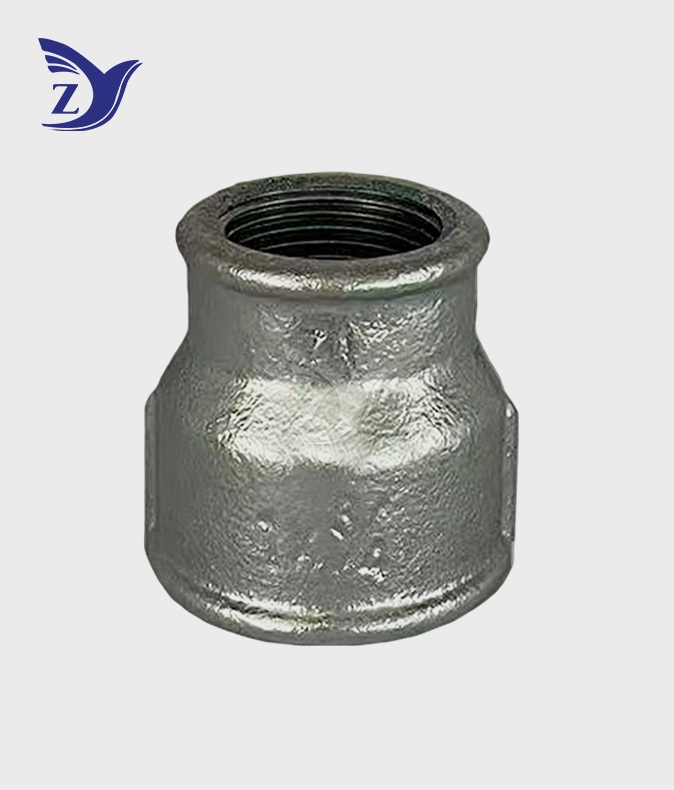
BSPT Round Face Galvanized Round Edge Reducing Coupling Pipe Fittings
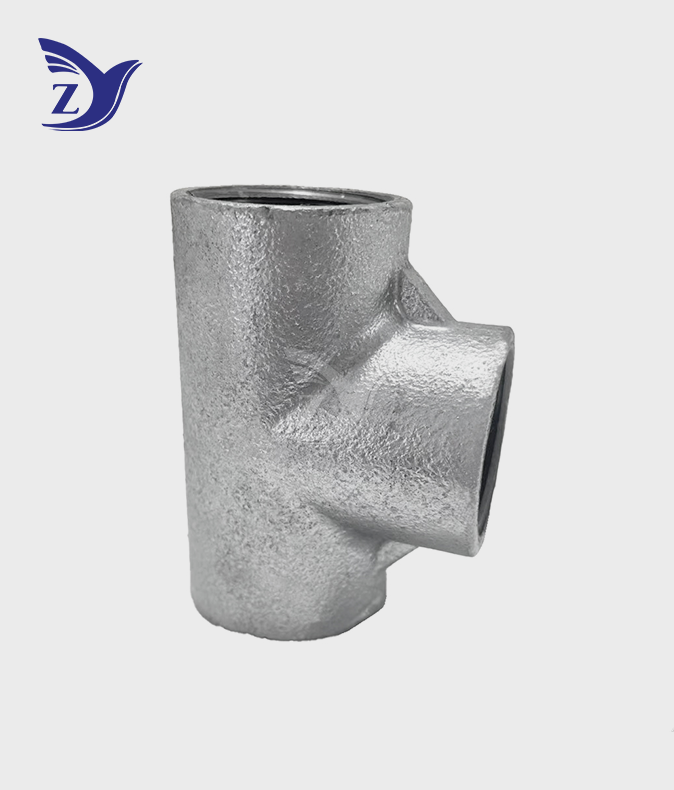
No Hub Hot Dip Galvanized Straight Tee Pipe Fitting
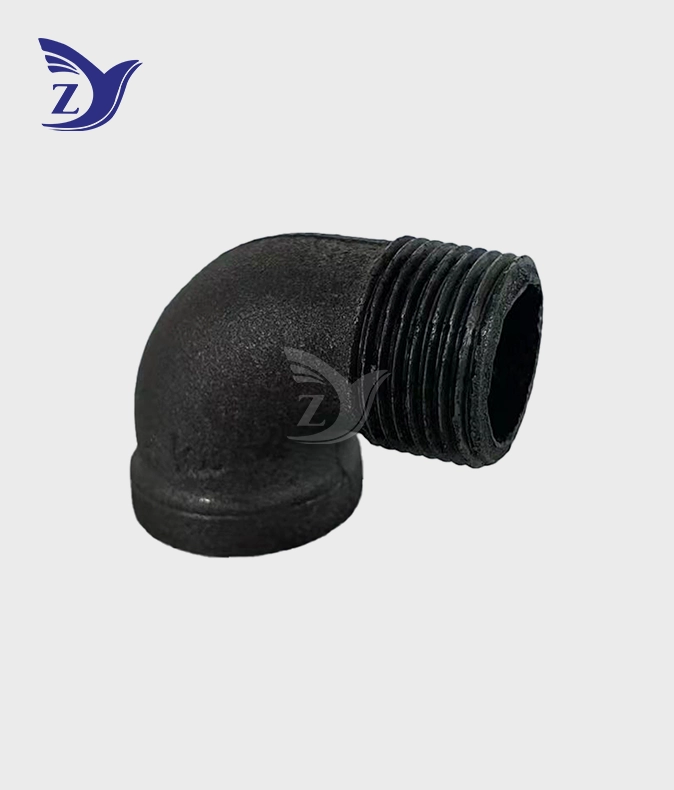
NPT Black Square Face Male-Female 90° Elbow Pipe Fittings
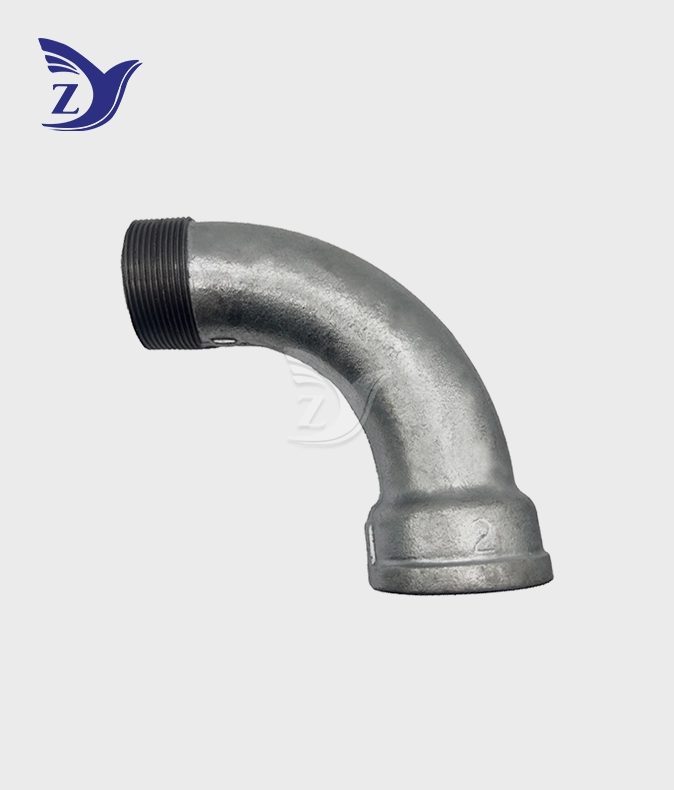
NPT Galvanized Male Female 90° Long Radius Elbow Pipe Fittings
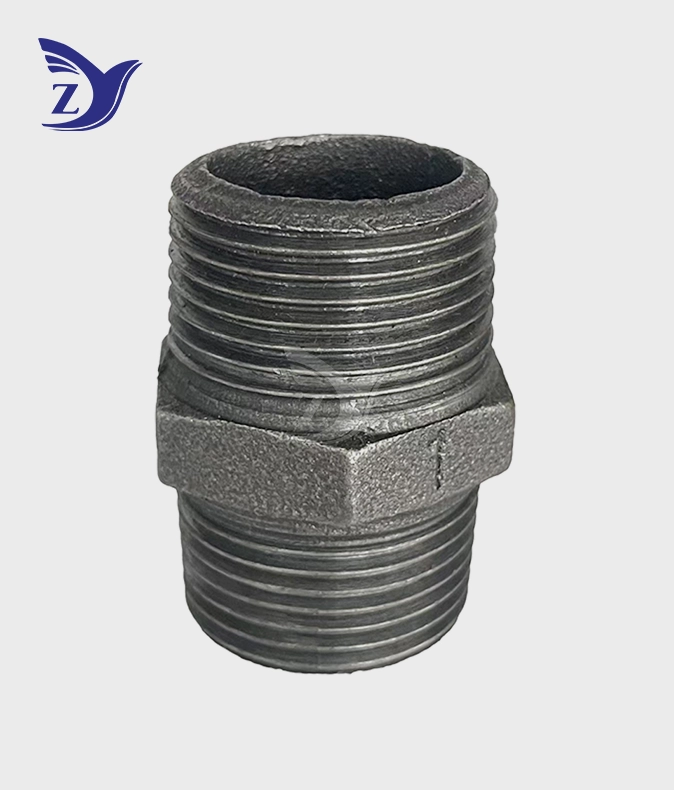
BSPT Black Male Nipple Pipe Fittings
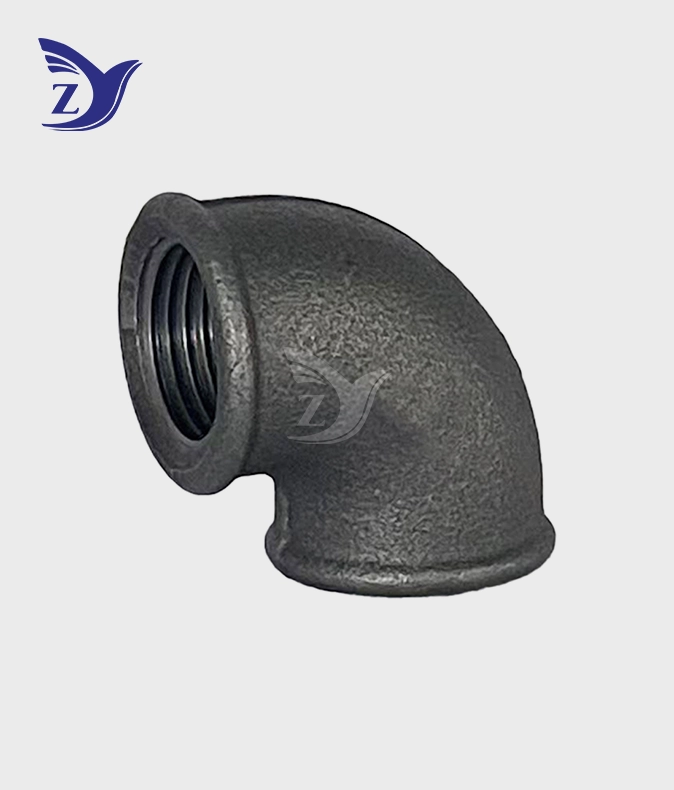
NPT Black Round Face 90° Elbow Pipe Fittings
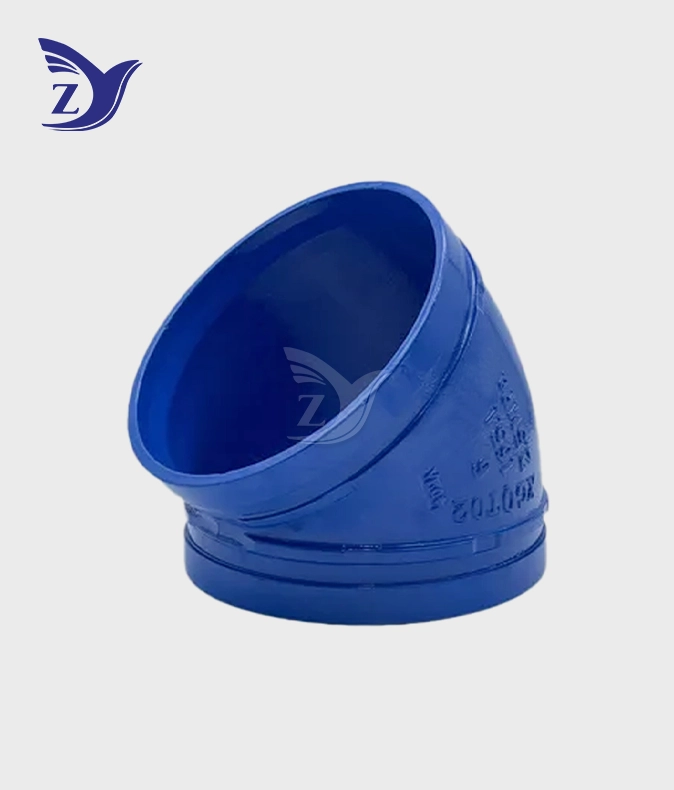
Water Grooved 22.5-degree grooved elbow
Fire Grooved Blind Flange