
Apr 3, 2026
Long Radius 90 degree Elbow Dimensions
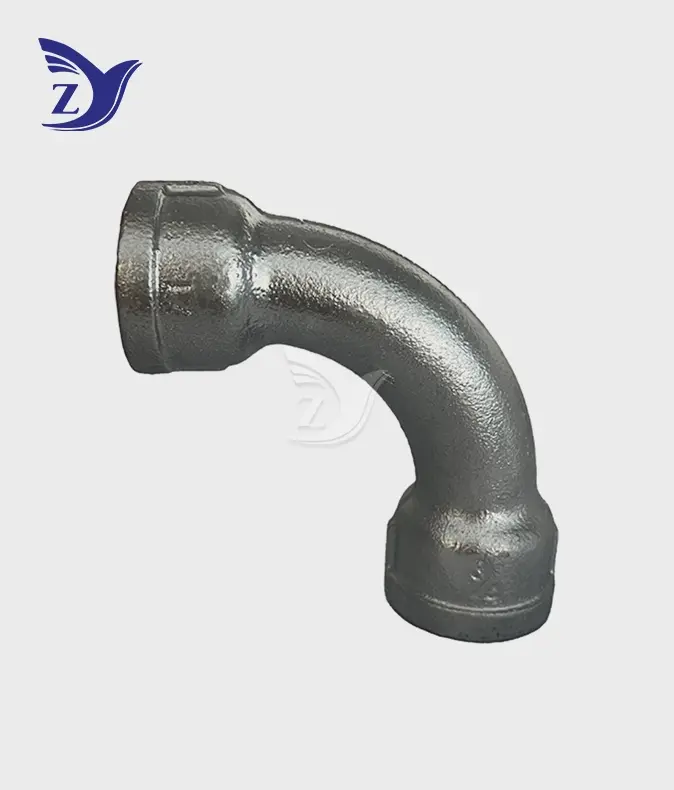
It is the performance and compatibility of pipe systems across industrial applications that are determined by important criteria, such as the diameters of long radius 90 degree elbows. Unlike its short radius counterparts, the centerline radius of these galvanized female-female 90° long radius elbow pipe fittings is usually 1.5 times the nominal pipe diameter. The system's efficiency is improved, flow turbulence is reduced, and pressure loss is minimized thanks to the expanded curvature, all while keeping the exact dimensions in place for easy integration into current pipeline networks.
Understanding Long Radius 90 Degree Elbow Dimensions
In order to successfully design and install pipelines, it is necessary to understand the dimensional properties of long radius 90 degree elbows. With this knowledge, purchasing agents may maximize system performance and guarantee compatibility across many industrial applications by making well-informed judgments based on these standards.
Critical Dimensional Parameters
One of the most basic dimensions in long radius elbow specs is the center-to-end measurement. A common formula for this distance is 1.5 times the nominal pipe diameter, which measures the distance between the centerline of one end and the face of the other end. The center-to-end size of a 4-inch long radius elbow, for instance, is around 6 inches, whereas that of a 4-inch short radius elbow is 4 inches.
The criteria for wall thickness have a direct bearing on the pressure ratings and structural integrity. Conforming to ASTM A197, standard galvanized female-female 90° long radius elbow pipe fittings made of malleable iron have a constant wall thickness all the way around the curved portion, eliminating any weak spots that might affect the dependability of the system. Female threads are machined to exacting tolerances to provide leak-proof couplings, and the threading dimensions adhere to either the National Pipe Taper (NPT) or the British Standard Pipe Taper (BSPT) standards.
International Standards Compliance
Maintaining dimensional uniformity and compatibility across global supply chains is made possible by adhering to international standards. The dimensions of threaded fittings made of malleable iron must adhere to the standards laid forth in ASME B16.3, which include tolerances for variances in wall thickness, thread engagement, and center-to-end measures. The threading parameters for BSPT connectors are provided by ISO 7-1, and the galvanizing requirements to preserve the dimensions during coating are defined by ASTM A153.
Standard compliance leads to dimensional stability, which in turn leads to faster installations and more reliable systems. Because dimensional variances will always stay within acceptable tolerances, engineers may provide fittings with certainty, independent of the manufacturer or manufacturing batch.
Benefits and Advantages of Galvanized Female-Female 90° Long Radius Elbow Pipe Fitting
Long radius elbows made of galvanized steel provide performance benefits that go beyond simple pipe rerouting. By outperforming competing options, these customized fittings increase system lifetime, corrosion resistance, and flow efficiency.
Enhanced Flow Characteristics and System Efficiency
By radically changing the fitting's fluid dynamics, the enlarged radius design reduces turbulence and keeps pressure loss to a minimum. According to hydraulic studies, galvanized female-female 90° long radius elbow pipe fittings cut the equivalent length factor by around 30% when compared to alternatives with shorter radiuses. Applications spanning from industrial process pipes to municipal water distribution immediately benefit from this innovation, which in turn reduces pumping costs and increases system capacity.
Flow separation and energy loss are prevented by the smooth interior profile, which prevents sudden changes. Long radius elbows reduce erosion risk and increase pipeline service life, according to computational fluid dynamics research, by maintaining more uniform velocity profiles downstream.
Superior Corrosion Protection and Longevity
By using both barrier protection and cathodic activity, hot-dip galvanizing achieves remarkable resistance against corrosion. A metallurgical bond is formed with the basic malleable iron by applying a zinc coating with a thickness of 70-85 microns in accordance with ASTM A153 requirements. This coating then resists flaking and chipping during handling and installation.
In normal atmospheric circumstances, galvanized fittings outperform uncoated equivalents by maintaining structural integrity for over 20 years, according to environmental testing. Applications requiring slightly corrosive media, outdoor installations, and humid settings greatly benefit from the corrosion resistance.
How to Select and Install Galvanized Female-Female 90° Long Radius Elbows?
When choosing and installing large radius elbows, it's important to take the system factors into account and follow established installation procedures. Compatibility with current infrastructure and operational needs must both be considered throughout the decision process.
Selection Criteria and Application Assessment
The first step in choosing a pressure rating is to determine the highest possible system temperature and pressure. Water, oil, and gas applications may use Class 150 galvanized female-female 90° long radius elbow pipe fittings at ambient temperatures with pressures up to 300 PSI, while Class 300 variations can take up to 1000 PSI. When it comes to high-temperature applications, galvanizing has its limits and thermal expansion effects are something to think about.
Another important consideration is thread compatibility. While BSPT threads adhere to British standards used in foreign markets, NPT threads provide tapered interference fittings that are appropriate for North American applications. For further design and modification freedom, the system may be modified to incorporate male-threaded pipe ends or nipples thanks to the female-female structure.
Installation Best Practices and Quality Assurance
Cleaning the thread surfaces well and applying the thread sealant or tape correctly are the first steps in a proper installation. To get the best seal integrity without straining the malleable iron too much, use hand-tight plus one or two more twists on the tapered thread. Pay close attention to the engagement depth.
The integrity of the system and the avoidance of expensive rework are both guaranteed by dimensional verification during installation. Before pressurizing the system, it is helpful to measure the center-to-end lengths and check the alignment with nearby pipe components. Quality fittings are leak-proof thanks to their precision-threaded construction, which allows for typical installation tolerances.
Comparison and Procurement Considerations for Galvanized Long Radius Elbows
Procurement choices that strike a good balance between performance needs and cost may be made with some knowledge of the differences between the different elbow designs. Optimal fitting selection for various applications is impacted by the particular benefits and limits that are revealed during comparative research.
Technical Performance Comparisons
By reducing pressure loss coefficients and improving flow dispersion, long radius elbows outperform short radius counterparts in hydraulic performance. Pumped systems see quantifiable energy savings because to the 1.5D radius design's reduction of the K-factor, which is about 40%. But in small setups, you'll need to make more room for the increased dimensions.
Galvanized female-female 90° long radius elbow pipe fittings provide clear benefits over stainless steel counterparts in some applications, according to material comparisons. Although stainless steel is more resistant to chemicals, the price difference between the two materials is sometimes more than 200-300%, thus galvanized alternatives are more appealing for common uses involving water, air, and mild chemicals.
Procurement Strategy and Supplier Evaluation
Verifying certifications and ensuring supplier qualification are key components of effective procurement strategies. Certifications of materials showing conformity with relevant ASTM and ASME standards are provided by reputable producers, who also maintain quality systems certified to ISO 9001. Suppliers' minimum order numbers might vary widely; nevertheless, well-established manufacturers sometimes provide better deals for larger orders.
The ability to measure dimensions, verify galvanizing thickness, and conduct pressure tests are all essential components of quality assurance procedures. Potential price increases above commodity sources might be justified by suppliers that supply extensive testing data and replacement assurances.
Applications and Industry Use Cases of 90 Degree Long Radius Elbow Fittings
Galvanized long radius elbows are used in many different systems and sectors because of their adaptability. In order to improve fitting selection for unique operating conditions and performance requirements, engineers and procurement experts benefit from understanding specific use cases.
Water Treatment and Distribution Systems
Galvanized female-female 90° long radius elbow pipe fittings are essential for the building and operation of distribution networks in municipal water systems. Because of the high expenditure of excavation and system closure associated with repair, corrosion resistance is crucial in subterranean systems and pump stations. Enhanced flow characteristics lead to lower pumping energy needs, which in turn lower operating costs over the whole system lifetime.
Because of their consistent pressure loss properties, long radius elbows are useful in fire prevention systems. With less turbulent airflow, sprinkler system designers can keep their hydraulic calculations more precise, guaranteeing that vital assets will be adequately watered.
Industrial Process Applications
For non-aggressive service applications, such as utility pipes, cooling water systems, and compressed air distribution, chemical processing plants use galvanized long radius elbows. The galvanized coating does rid of the need to maintain painted steel systems, and the malleable iron composition makes them far more impact resistant than cast iron equivalents.
The lower pressure loss characteristics of large radius designs make them ideal for HVAC applications in commercial and industrial buildings. Building temperature control systems use less energy and have fewer equipment needs as a result of the increased efficiency.
Conclusion
System performance, installation success, and long-term dependability are directly impacted by important requirements, such as the dimensions of long radius 90 degree elbows, which include galvanized female-female 90° long radius elbow pipe fittings. Galvanized long radius elbows are designed to meet the most stringent requirements in commercial and industrial settings due to their exceptional corrosion resistance, proven dimensional stability, and improved flow characteristics. Procurement experts may maximize system performance while decreasing lifetime costs by making educated selections based on correct selection criteria, installation procedures, and comparative benefits. The current galvanized fittings provide great value in a variety of pipe applications since production standards and quality assurance procedures are constantly improving.
Contact Zhiyuan Malleable Steel for Premium Long Radius Elbow Solutions
Zhiyuan Malleable Steel delivers exceptional galvanized female-female 90° long radius elbow pipe fittings manufactured to exacting international standards. Our 26 years of casting expertise, ISO 9001 certified quality system, and 30,000-ton annual production capacity ensure reliable supply for projects of any scale. With comprehensive certifications including CE, UL, and FM approvals, our precision-threaded malleable iron fittings provide superior corrosion resistance and hydraulic performance. Whether you need standard specifications or custom OEM solutions, our technical team provides complete support from selection through installation. Contact our galvanized female-female 90° long radius elbow pipe fittings supplier team at q1236800000@gmail.com to discuss your specific requirements and receive detailed quotations for your next project.
FAQ
What distinguishes long radius from short radius 90 degree elbows?
Long radius elbows feature a centerline radius of 1.5 times the nominal pipe diameter, compared to 1.0 times for short radius versions. This extended curvature reduces pressure loss by approximately 30-40% and minimizes flow turbulence, making long radius designs preferable for high-flow applications and energy-sensitive systems.
How do I verify the dimensions of galvanized female-female 90° long radius elbow pipe fittings?
Dimensional verification involves measuring the center-to-end distance, which should equal 1.5 times the nominal pipe diameter. Thread gauge verification ensures proper NPT or BSPT compliance, while wall thickness measurements confirm structural adequacy for the intended pressure rating.
Are galvanized long radius elbows suitable for high-pressure applications?
Standard Class 150 galvanized elbows accommodate pressures up to 300 PSI for water, oil, and gas applications, while Class 300 variants handle up to 1000 PSI. Pressure ratings decrease at elevated temperatures, requiring careful evaluation of actual operating conditions against published specifications.
References
1. American Society of Mechanical Engineers. "ASME B16.3-2018: Malleable Iron Threaded Fittings, Classes 150 and 300." ASME International, 2018.
2. ASTM International. "ASTM A197-00: Standard Specification for Cupola Malleable Iron." Annual Book of ASTM Standards, Volume 01.02, 2019.
3. International Organization for Standardization. "ISO 7-1:1994: Pipe threads where pressure-tight joints are made on the threads." ISO Publications, 1994.
4. Crane Technical Paper No. 410. "Flow of Fluids Through Valves, Fittings, and Pipe." Crane Co. Engineering Division, 2013.
5. ASTM International. "ASTM A153/A153M-16a: Standard Specification for Zinc Coating (Hot-Dip) on Iron and Steel Hardware." Annual Book of ASTM Standards, Volume 01.06, 2016.
6. Miller, David S. "Internal Flow Systems: Design and Performance Prediction." BHRA Fluid Engineering Series, Volume 5, Bedford: BHRA, 1990.
Online Message
YOU MAY LIKE
High quality furniture manufacturer
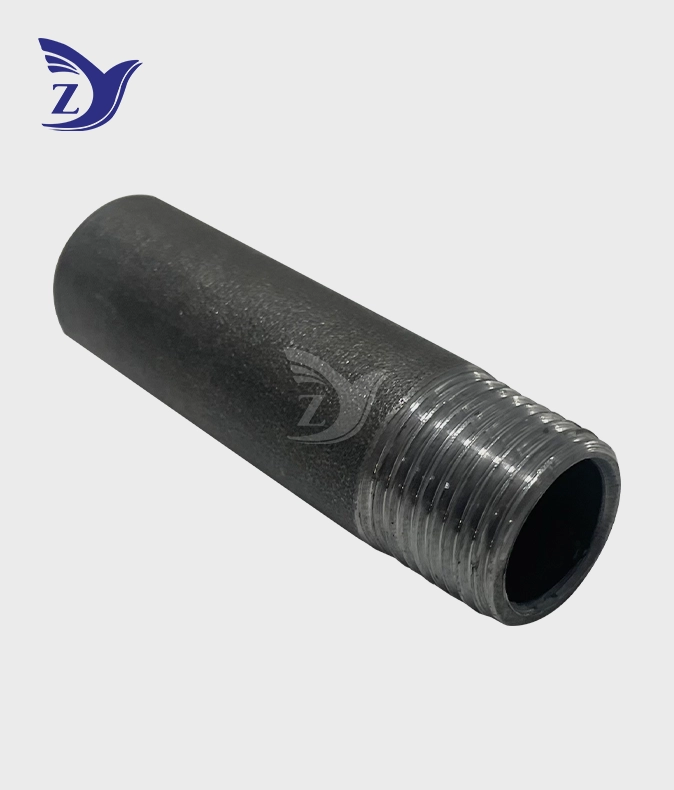
Carbon Steel Pipe Male Threaded Fittings Sand Blasted
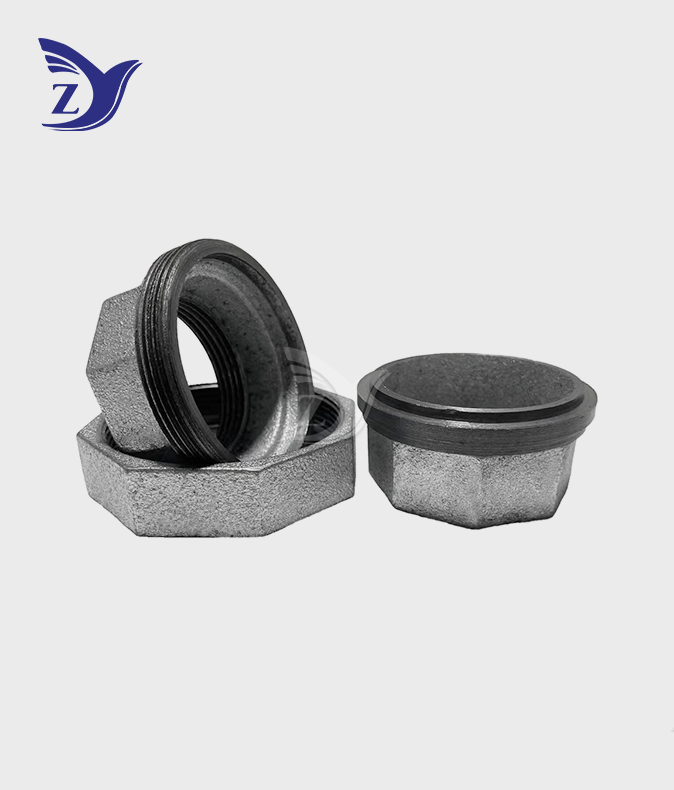
NPT Galvanized Union 330 Pipe Fittings
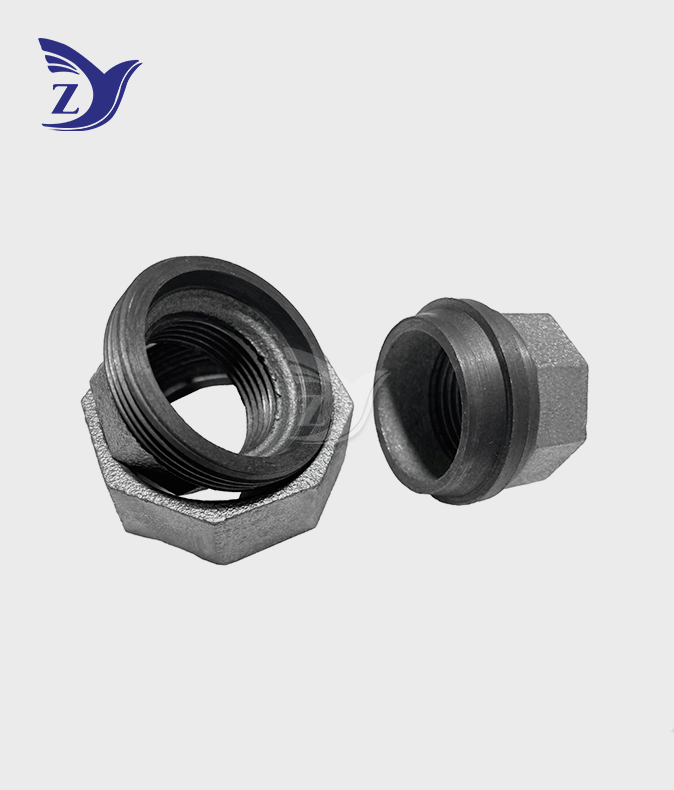
NPT Galvanized Union 340 Pipe Fittings
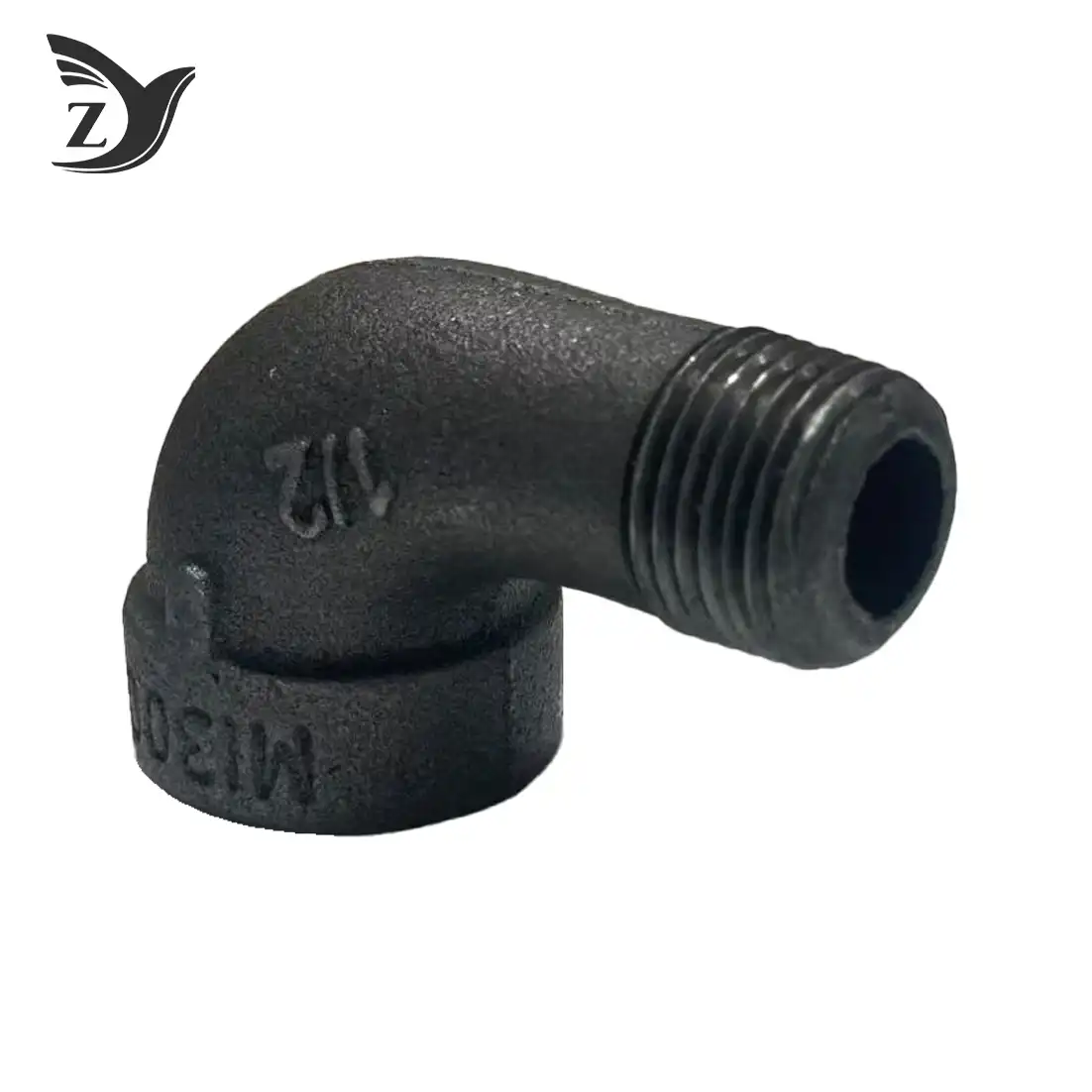
300# Black Threaded 90° Elbow, Male & Female
Fire Grooved Reducer
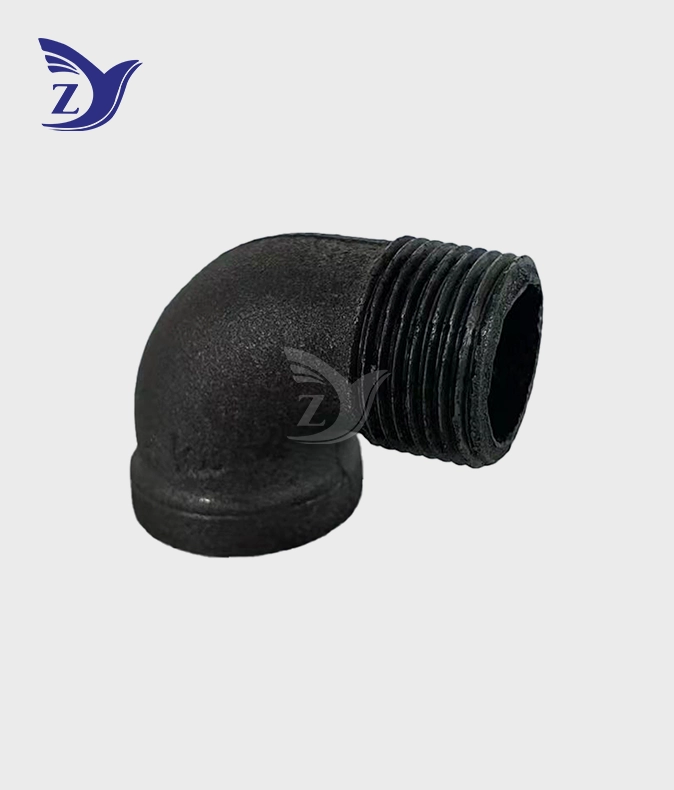
NPT Black Square Face Male-Female 90° Elbow Pipe Fittings
NPT Black Malleable Iron Tee Pipe Fittings
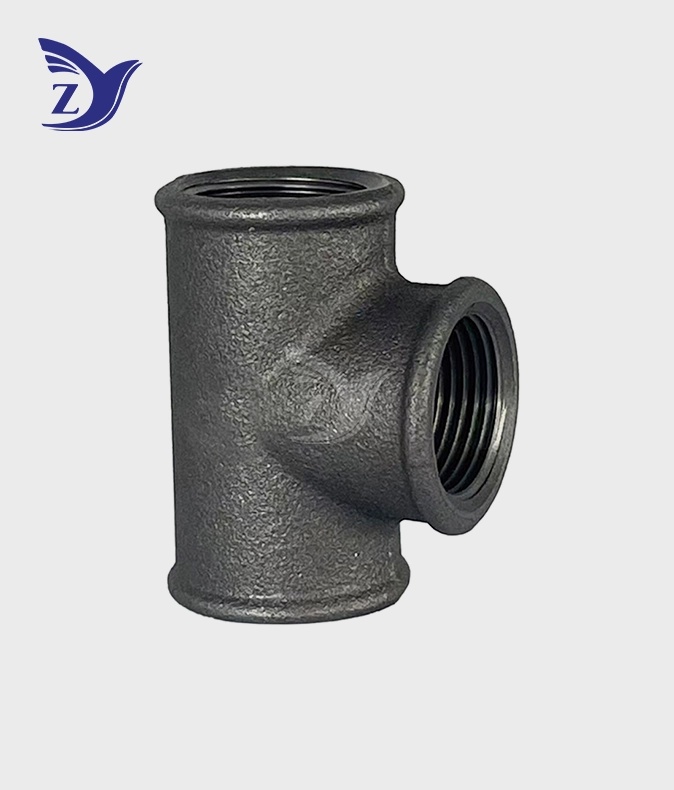
NPT Black Round Face Straight Tee Pipe Fittings