
Apr 20, 2026
Installing Galvanized Union 342 Pipe Fittings In Industrial Process Piping
To install galvanized union 342 pipe fittings in industrial process plumbing, you need to be precise and know how to use these important removable parts. These threaded, ductile iron fittings are important repair points in water, gas, and steam systems because they let pipes be disconnected without having to be cut or taken apart completely. The number 342 means that the seat is made of copper and iron, which stops galling and rusting at the seal point. Hot-dip galvanized finish protects strongly against rust, and NPT or BSPT threading makes sure connections are pressure-tight. To get leak-proof performance in harsh industrial settings, the right fitting combines torque control, thread engagement, and alignment.
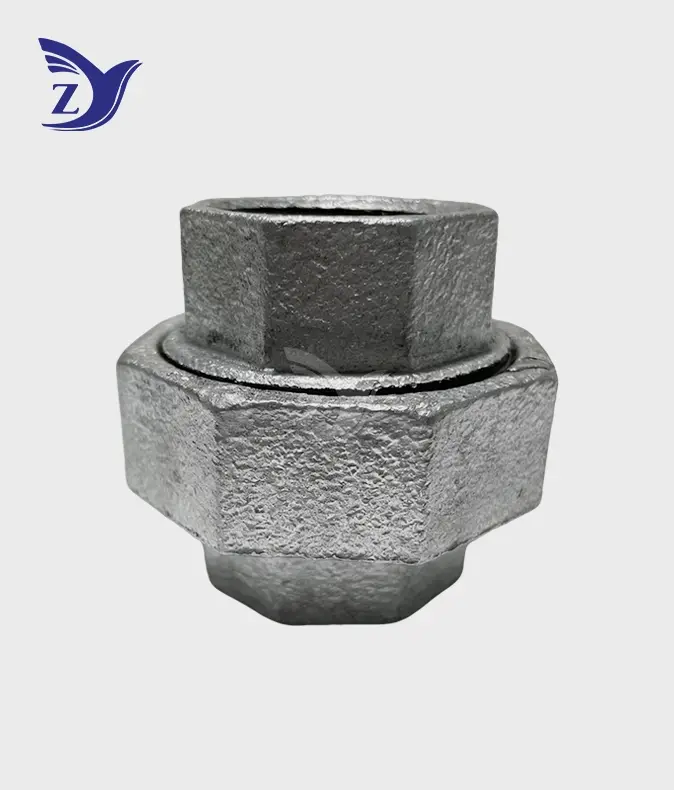

Step-by-Step Installation Process for Galvanized Union 342 Pipe Fittings
Pre-Installation Inspection and Tool Preparation
Problems that only show up during pressure tests can be avoided by doing a full check before installation. Check the thread surfaces for burrs, dings, or other production flaws that could affect the strength of the seal. The brass seat ring should fit evenly and flush, with no cracks or holes. To make sure the union nut fits smoothly, spin it easily along the threads of the tail piece. If it gets stuck, there is damage to the threads or debris that needs to be fixed before the assembly of galvanized union 342 pipe fittings can go together.
Get the right tools so you don't have to improvise and damage the parts. Two pipe tools of the right size are used for the job. One holds the pipe in place while the other tightens the fitting. When used on zinc surfaces, where the width of the coating affects how well the wrench fits, adjustable wrenches can slip and round off hex flats. If you use thread sealant or PTFE tape that is rated for the service media, the threaded link between the fitting and pipe will not leak. We always have a thread gauge on hand in case the paperwork isn't clear or is missing.
Alignment and Threading Techniques
When the fittings are properly aligned during the initial contact, cross-threading doesn't happen, which destroys expensive fittings. Hold the fitting straight on to the pipe axis and turn it clockwise by hand for a few turns, making sure the resistance is smooth and even. The fitting should thread easily without any force. If it starts to thread slowly, back off and try again instead of pushing the threads forward. Cross-threading hurts thread peaks and makes leak paths that can't be closed with torque.
The tail piece threads onto the end of the pipe, and the head piece links to the pipe part that fits. Make sure the brass seat face on the head piece looks clean and unbroken before you use the union nut to join the two halves together. A small amount of pipe dope on the male seat makes the seal surface smooth, but too much sealant can contaminate the process media or clog up downstream parts. To connect the two seats, the union nut slides over the tail piece and threads onto the head piece.
Achieving Proper Torque Without Over-Tightening
To use torque correctly, you need to be able to balance thread damage against seal tension. Tighten the union nut by hand until both seat faces touch. You should feel more resistance at first. Smoothly apply wrench force without pulling or hitting. For most uses, one to two turns past hand-tight is enough to provide sufficient seal pressure. When it is tightened all the way, the union nut shouldn't bend or show stress cracks around the hex flats.
When you over-torque something, it can lead to thread galling, seat deformation, and fitting body cracks that might not show up until the system hits working pressure. We've seen maintenance teams treat every connection like a lug nut that needs to be tightened with all the force they have, only for the connections to break early and cost a lot to repair. If torque specs aren't available, use the rule that fittings with a diameter of up to 1" rarely need more than 50 to 60 ft-lbs of torque. You can learn what "snug plus two turns" feels like for different fitting sizes through experience.
Pressure Testing and Leak Detection Protocol
Before systems are turned on, systematic pressure testing makes sure the installation was done right. Slowly raise the pressure until it reaches 50% of the working pressure, while keeping an eye on all the connections for weeps or obvious leaks. Hold this pressure for at least 10 minutes, and look for a drop in pressure that means fluid is escaping. Raise the pressure to the full working pressure and repeat the hold period, this time carefully checking the union joints for any moisture buildup or spray.
Putting soap solution around the union nut shows gas leaks that are too small to hear or feel. Bubbles forming at the interface mean that the seal isn't complete, so the seat needs to be tightened even more or taken apart for inspection. For important applications, you might want to do hydrostatic testing at 1.5 times working pressure, which is higher than what's needed for most installations. Write down test pressures, hold times, and results for quality assurance records that meet regulatory inspections and customer acceptance criteria.
Optimizing Procurement of Galvanized Union 342 Pipe Fittings for Industrial Projects
Evaluating Supplier Credentials and Manufacturing Quality
Choosing suppliers has an effect on the success of a project that goes far beyond the initial purchase price. Manufacturing certifications show dedication to quality systems; ISO 9001 sets up documented processes for production control; UL and FM certifications show compliance with North American safety standards for fire protection systems; and CE marking shows compliance with European Union directives, which is important for projects that will be sold in other countries. Zhiyuan Malleable Steel maintains these certifications across all of our galvanized union 342 pipe fittings lines, which shows 26 years of manufacturing refinement and improvement.
Having a production capacity that exceeds 30,000 tons per year and more than 1,000 product specifications means that we have the infrastructure to handle large orders without running out of stock for current customers. Our 50,000-square-meter facility houses four integrated production processes: casting, annealing, galvanizing, and machining. This vertical integration controls quality at every stage and eliminates the need for external processors that cause delays and variability.
Bulk Purchasing Strategies and Lead Time Management
Volume pricing can help you save money on your project while still making sure you have enough stock for a phased construction schedule. Quantity breaks usually happen at levels where suppliers can optimize production runs, like full pallet quantities, truckload volumes, or container lots for international shipments. Talk to your suppliers about pricing structures that take into account your total project needs, even if deliveries happen over multiple shipments. This way, you can get volume discounts without having to keep too much inventory on hand.
Clear lead times keep construction delays from affecting project timelines. Standard products stored in finished goods inventory ship within days, but custom specifications or non-standard threading need to be planned for production. We keep enough common sizes in stock to fulfill orders for local customers in two hours, and standard items ship within a week for regional distribution. However, complex orders that need custom threading, special coatings, or certification paperwork may take two to three weeks, depending on the depth of the production queue.
Performance and Maintenance Best Practices
Routine Inspection Schedules for Installed Unions
Setting inspection times based on the conditions of the service increases the life of galvanized union 342 pipe fittings and stops them from breaking down without warning. For example, high-vibration areas like pump discharge lines or reciprocating compressor connections should have union nut tightness and seat wear checked every three months. Static runs in well-conditioned environments may only need an annual visual inspection, unless the conditions of the process change. Keep records of inspection dates, findings, and corrective actions to look for patterns that point to early wear or installation problems.
Visual inspection can find many problems before they become emergencies. Look for rust stains around the union nut, which means that the galvanization is breaking down or water is getting in. Slight weeping leaves mineral deposits or discoloration, which means that leaks are starting to form. If the union nut moves when you test it by hand, it means that it needs to be re-torqued. Surface corrosion on the fitting body that goes beyond normal galvanized patina formation could mean that chemicals are being exposed in amounts that are too high.
Addressing Common Wear Patterns and Thread Degradation
Cross-threading makes spiral gouges that stop fittings from sealing properly no matter how much torque is applied. Trying to force misaligned fittings to fit properly deforms thread peaks, creating leak paths and lowering the connection's pressure capacity. If re-making a connection shows damaged threads, replace the affected part instead of trying to fix it in the field, which could compromise the integrity of the system. Cutting or cleaning threads rarely returns fitting performance to acceptable levels.
Galvanization wears away at high-contact areas like wrench flats and thread engagement zones. When the zinc coating wears away to reveal the base iron, localized corrosion speeds up, especially in wet or chemically aggressive environments. Touch-up zinc paint can be used on damaged areas as a temporary fix, but if the coating is completely worn off, the fitting should be replaced during the next maintenance period. The brass seat insert resists corrosion better than iron parts, so it can often be used even when other parts are breaking down.
When to Replace Versus Repair Union Fittings
Using economic analysis to compare repair costs to new fitting prices helps us decide when to replace something. Since union fittings are among the cheaper piping parts, replacing them is often more cost-effective than doing a lot of work to fix it. This is because the labor costs for taking it apart, cleaning it, refacing the seat, and putting it back together again usually go over the price of the new fittings, especially when system downtime is taken into account. We suggest replacing something when a visual inspection shows a lot of corrosion, thread damage, or seat wear that is compromising the seal quality.
In important service applications, safety comes before cost-effectiveness. For example, fire safety systems, process safety instruments, and emergency shutdown pipes need to be completely reliable, which old fittings can't provide. Regulatory inspections may require parts to be replaced based on their service life limits, even if they look fine. For example, natural gas distribution systems have strict integrity management protocols that say fittings must be replaced when corrosion goes beyond depth limits, even if the part is still functionally sealed at current pressures.
Conclusion
Installing galvanized union 342 pipe fittings demands attention to technical details that separate reliable installations from problematic ones. The brass-to-iron seat design, hot-dip galvanized corrosion protection, and precision NPT or BSPT threading combine to deliver detachable connections serving industrial process piping across diverse applications. Proper installation techniques—careful alignment, controlled torque application, and systematic pressure testing—ensure leak-proof performance that withstands vibration, thermal cycling, and chemical exposure. Procurement strategies emphasizing supplier certifications, bulk purchasing efficiency, and documentation requirements optimize project costs while maintaining quality standards. Routine inspection and timely replacement preserve system integrity, preventing costly failures in critical operations. Material selection balances immediate costs against lifecycle performance, with galvanized malleable iron offering economical reliability for the majority of industrial piping applications.
Partner with Zhiyuan Malleable Steel for Reliable Galvanized Union Solutions
Zhiyuan Malleable Steel has been making galvanized union 342 pipe fittings for 26 years, and we can support industrial projects with certified quality and on-time delivery. Our 30,000-ton annual production capacity and 1,000+ product specifications make sure we can meet your needs, whether you need standard sizes for immediate shipment or custom solutions for specialized applications. As a trusted supplier, we hold ISO 9001, CE, UL, and FM certifications that meet the most exacting project requirements. Email us at q1236800000@gmail.com to talk about your bulk purchasing needs, learn about our OEM/ODM customization options, and experience quick service backed by full technical support that keeps your projects on track.
FAQs
What standards govern galvanized union 342 pipe fitting quality?
For example, ASME B16.39 and ASTM A197 set the size and composition of materials for North American markets, while ISO 49 and EN 10242 do the same for international markets. For example, galvanization must meet ASTM A153 or ISO 1461 standards for coating thickness and uniformity. Third-party certifications like UL, FM, and CE marking make sure that galvanized union 342 pipe fittings meet safety and performance standards for uses like fire protection systems or pressure vessels.
How can I prevent leaks after installing these fittings?
To stop leaks, make sure you carefully hand-thread the fittings so they don't cross-thread, use the right sealant on the male threads, and tighten the union nut without over-torquing it. To find small gas leaks, do a pressure test at 50% and 100% working pressure with enough hold times and a soap solution. Keep the joined pipe sections aligned so you don't put too much stress on the union. Regular inspections catch problems before they become failures, especially in high-vibration situations.
Are galvanized unions suitable for chemical processing applications?
Chemical compatibility depends on the process media. For example, neutral pH water, natural gas, air, steam, and many petroleum products work well with galvanized union 342 pipe fittings. However, acidic or alkaline solutions may damage the zinc coating or base iron, so you'll need to use different materials. Check chemical resistance charts for your specific chemicals, concentrations, and temperatures. Stainless steel unions are usually better for aggressive chemical applications, but galvanized fittings work well in many industrial processes where exposure stays moderate.
References
- American Society of Mechanical Engineers. (2018). ASME B16.39: Malleable Iron Threaded Pipe Unions Classes 150, 250, and 300. New York: ASME Press.
- ASTM International. (2020). ASTM A197: Standard Specification for Cupola Malleable Iron. West Conshohocken, PA: ASTM International.
- British Standards Institution. (2017). EN 10242: Threaded Pipe Fittings in Malleable Cast Iron. London: BSI Standards Publication.
- National Fire Protection Association. (2019). NFPA 13: Standard for the Installation of Sprinkler Systems. Quincy, MA: NFPA.
- Galvanizers Association. (2021). Hot Dip Galvanizing for Corrosion Protection of Steel Products: Process and Performance. Birmingham, UK: GA Publications.
- Process Industry Practices. (2016). PIP VESV1001: Piping Material Specifications and Pressure-Temperature Ratings. Austin, TX: Construction Industry Institute.
Online Message
YOU MAY LIKE
High quality furniture manufacturer
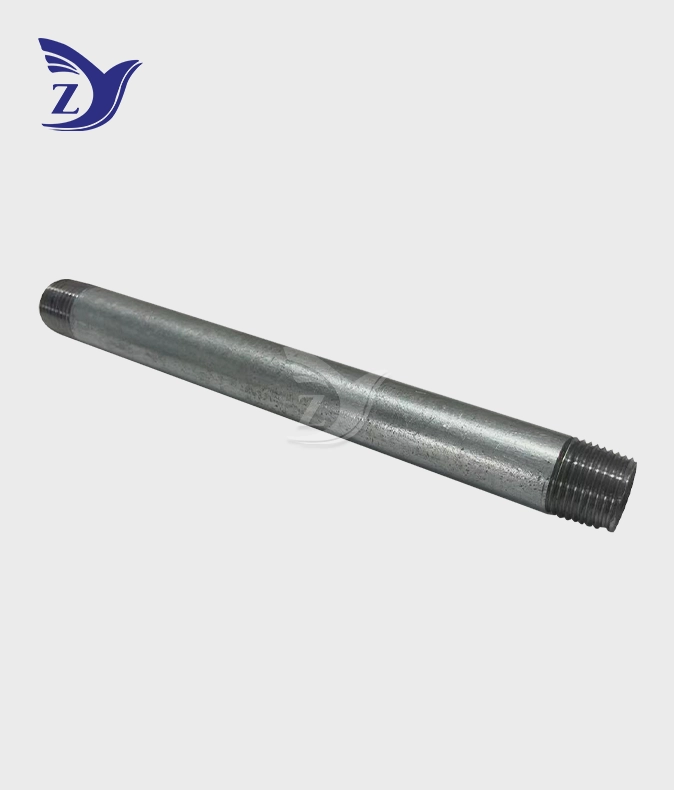
Carbon Steel Pipe Male Threaded Fittings Hot Dip Galvanized
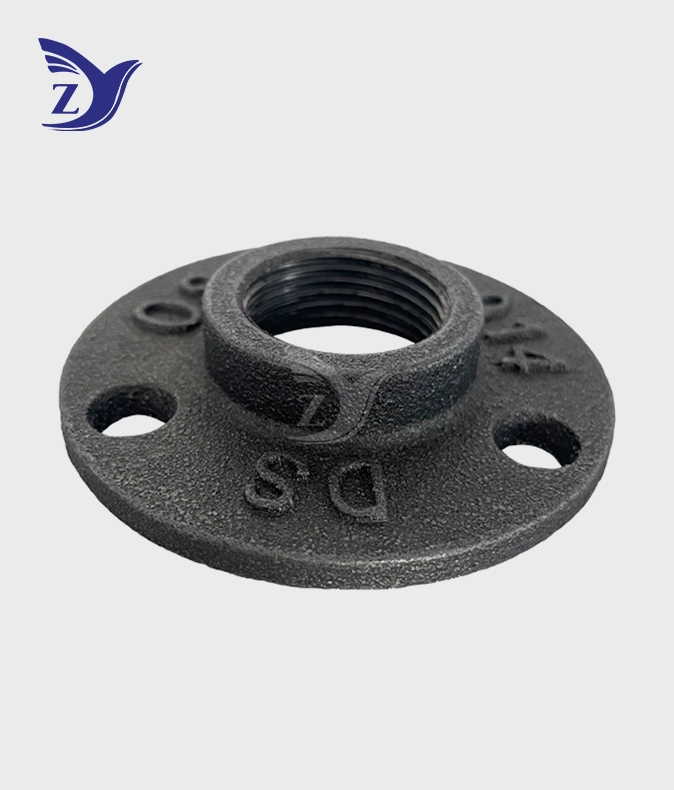
NPT Black Flange Pipe Fittings
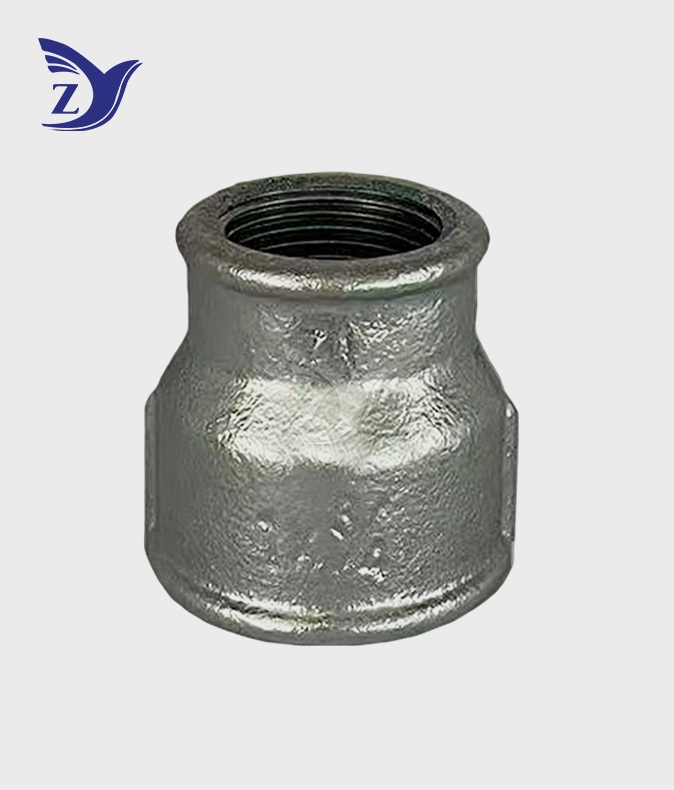
BSPT Round Face Galvanized Round Edge Reducing Coupling Pipe Fittings
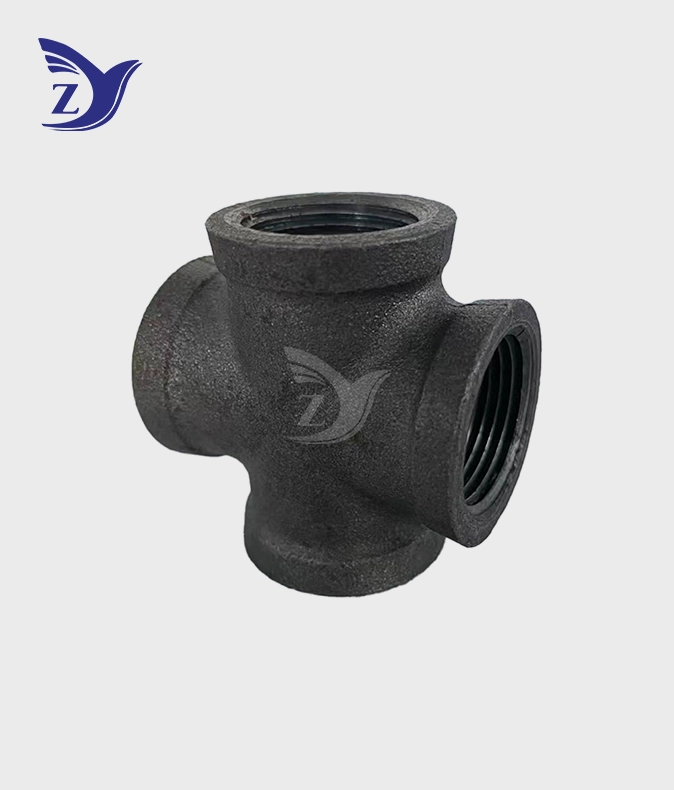
NPT Black Square Face Cross Pipe Fittings
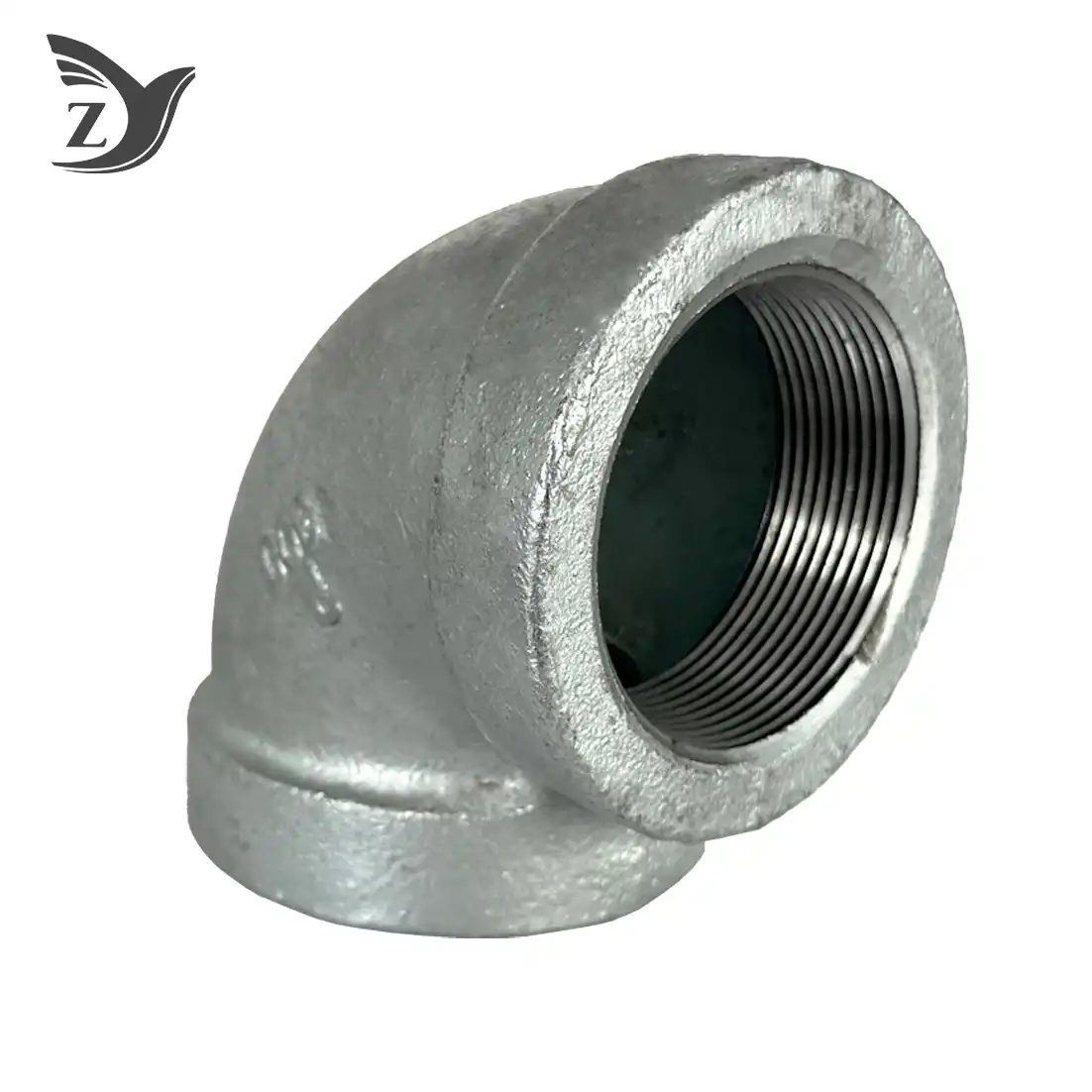
Class 300 Galvanized 90 Degree Malleable Iron Elbow
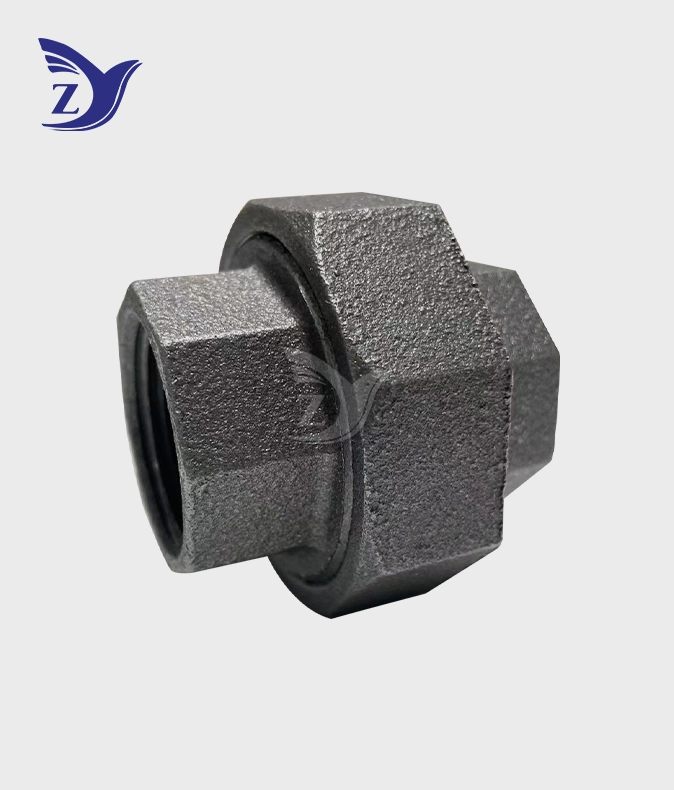
NPT Black Union 342 Pipe Fittings
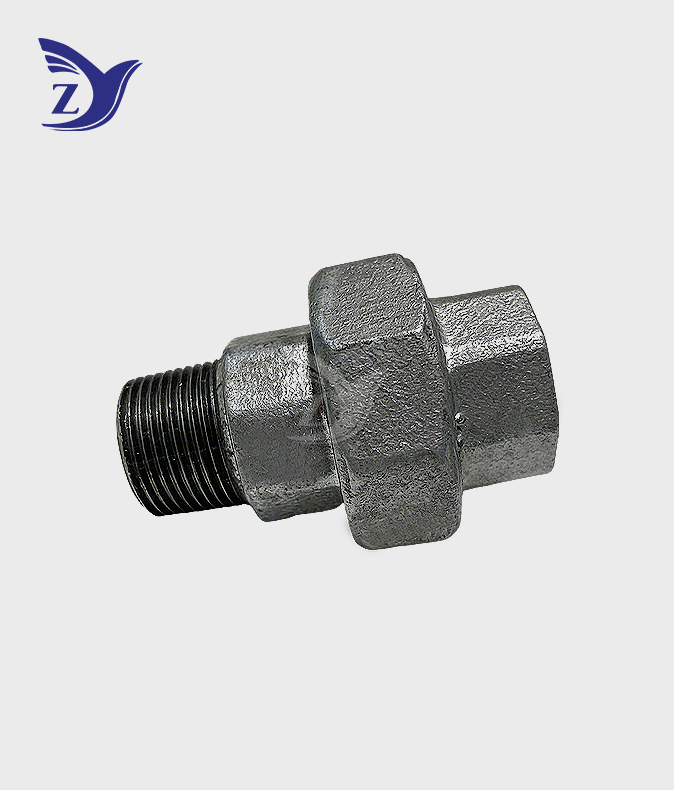
NPT Galvanized Male Female Threaded Union 343 Pipe Fittings
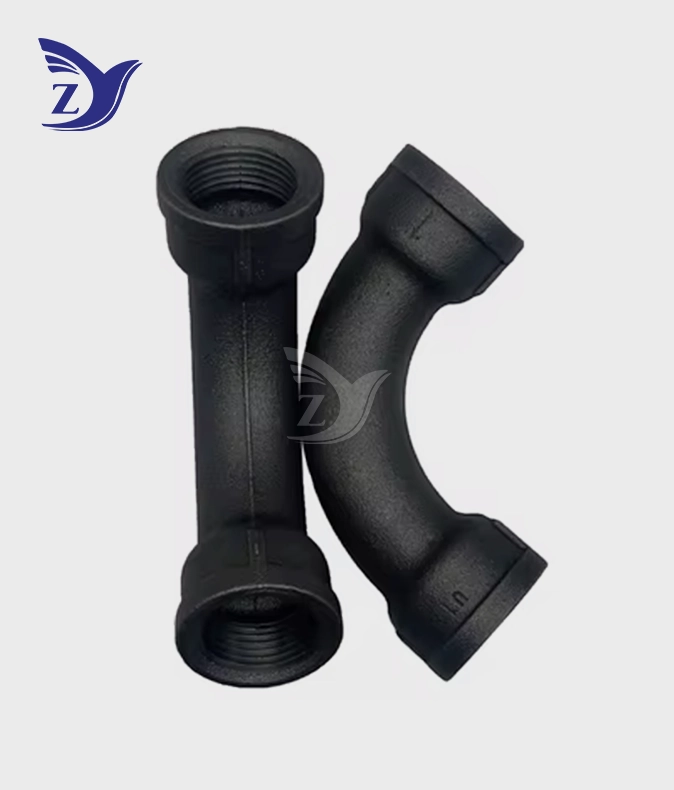
BSPT Black FxF 90° Long Bend Malleable Iron Pipe FittingsFittings