
May 20, 2026
How long is a black male-female union 331 pipe fitting?
A common question that comes up when you're in a warehouse with a pipe specification sheet and trying to match parts for a quick fire sprinkler installation or a city water job is: "How long is a black male-female union 331 pipe fitting?" The answer is important because a mistake of just a few millimeters can cause a project to be delayed or put the security of a system at risk.
Black male-female union 331 pipe fittings are usually between 60mm and 150mm long, depending on the standard pipe size (which ranges from 1/2" to 4"). The exact length depends on the shape of the seat, the depth of the thread contact, and the size of the union nut. From end to end, a 1-inch NPT version usually measures about 75mm to 85mm, while a 2-inch BSPT type measures about 110mm to 130mm. These measures are very important because they tell you how much space you need for fitting and make sure that the threads engage properly so that the seal doesn't leak in high-pressure situations.
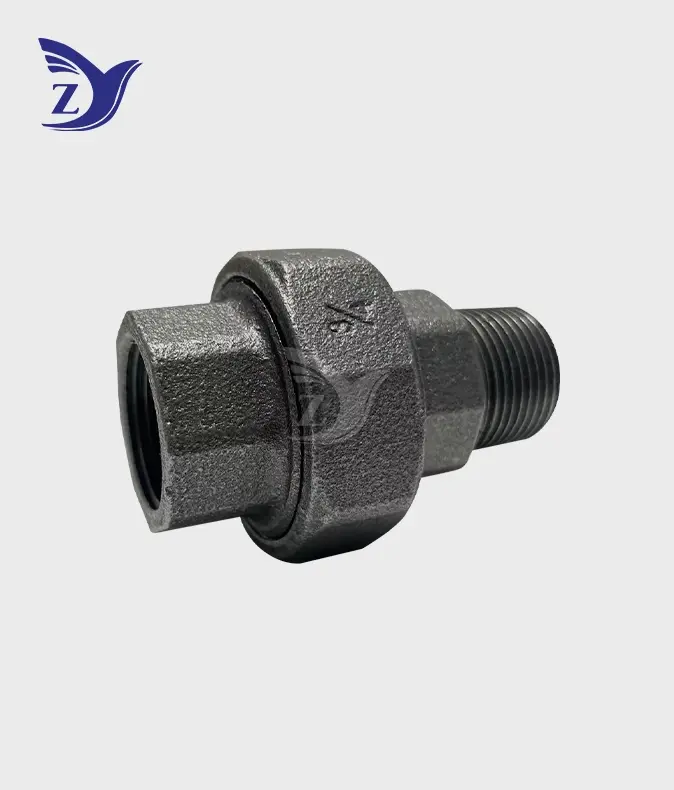
Dimensional Analysis of Black Male-Female Union 331 Pipe Fittings
Accurate knowledge of dimensions keeps mistakes in purchasing and installing things that cost a lot of money. There are three measures that make up length: the male-threaded part from end to shoulder, the female-threaded body from shoulder to back face, and the length of the whole assembly when the union nut is tightened and both halves are joined.
Thread Engagement and Sealing Performance
A lot of the differences in dimensions you'll see are set by thread standards. NPT threads that meet the requirements of ASME B1.20.1 have a 1:16 taper and 60-degree thread angles. As parts are tightened, they create interference rings by wedging. According to ISO 7-1, BSPT threads have the same taper ratios and a 55-degree angle. To reach full pressure values, a 1-inch NPT male section usually needs 9.7mm of thread contact. This directly affects the minimum length of the black male-female union 331 pipe fittings.
The sitting black male-female union 331 pipe fitting arrangement makes things more difficult. Once both ends are threaded into their corresponding pipes, the union nut needs to press down hard enough on the cylindrical seats to keep the seal under Class 150 pressure ratings (300 psi oil, gas, and water service at 150°F). Compared to a simple coupling, this compression motion makes the whole system longer by 8 to 12 mm. When checking for clearance in tight spaces, like under a concrete slab or inside a mechanical chase, you need to take this extra dimension and the room for the wrench into account.
Size-Specific Length Variations
Patterns that are consistent can be seen in measurements taken from approved makers. Half-inch plugs have a total length of about 60mm to 70mm and can be used to connect gas meters in homes. Three-quarter-inch models go up to 70mm to 80mm and are often used in business HVAC condensate lines. The most common type in city water systems is the one-inch model, which can be 75mm to 95mm in size, based on whether the design focuses on small installation or long wrench flats for high-torque tasks. Two-inch industrial fittings come in sizes between 110mm and 130mm, which means they can handle thicker walls and bigger union nuts that can handle vibrations in pump outlet pipes.
Measuring Techniques for Procurement Verification
Digital tools with a precision of 0.01 mm should be used for receiving inspections to check the sizes. To find the total length, hand-tighten both halves until they feel resistance. Do not fully twist them, as this can damage seals or soft seat materials. Thread plug tools that check both pitch width and taper conformity are the best way to measure thread length from the first fully formed thread to the shoulder. If there are differences from the standard sheets of more than ±2mm, it's likely that the production batches aren't up to par, which could lead to field leaks or installation problems.
Comparison: Black Male-Female Union 331 Fittings vs Alternatives
Finding the best joint material means finding a balance between cost, lifespan, and the performance needs of the application. There are many choices in the market, and each one has its own pros and cons that affect the long-term costs of the project.
Stainless steel unions are better at resisting rust in places where chlorides and acids attack carbon-based materials, like chemical processing plants or sites near the coast. They can handle temperatures above 400°C and keep their shape in cold uses at temperatures as low as -196°C. But steel choices are three to five times more expensive than black male-female union 331 pipe fittings, and they need special welding tools to be installed permanently. This means they can only be used in certain situations where the cost is worth it for the environment.
Brass unions are in the middle. They don't rust as much as black iron unions, but they still carry heat fairly well, which is useful in radiant heating systems. Because they look good, they can be used in public places like business buildings. Because brass is soft, it can only handle about 200 psi of pressure. It is also easily dezincified in harsh water chemicals, which means it will break down mechanically in 5 to 7 years in polluted city water systems.
Galvanized malleable unions protect against corrosion in the atmosphere better thanks to their zinc coating, which makes them last 15 to 20 years longer when used outside than options that aren't covered. However, this layer flake off at temperatures above 200°C, which means that galvanized parts can't be used with steam. Zinc also mixes with some fluids, making systems dirty and blocking precision parts like fire safety system spray tubes.
Black male-female union 331 pipe fittings work well in moderate-corrosion settings where mechanical strength, thermal resistance, and cost-effectiveness are important. The fitting can handle 300 psi surge pressures during pump tests, and it costs 40% less than stainless steel options. This is helpful for a fire protection worker who is building a 4-inch main in a warehouse. The surface that isn't galvanized works well in steam trap setups because zinc coats would quickly wear off in 150 psi saturated steam at 180°C. When natural gas is distributed, the black finish stops zinc bits from getting into the regulator holes, which keeps expensive service calls from happening.
Procurement Guide: Buying Black Male-Female Union 331 Fittings
Technical compliance, supplier dependability, and overall cost of ownership must all be balanced for buying to go well. Because international standards for pipe fittings are so complicated, specifications must be carefully written to avoid costly problems when the given product doesn't match what was intended in the design.
Navigating Size Standards and Certifications
When buying in the United States, people usually ask for NPT threads so that they can work with existing infrastructure. On the other hand, projects with foreign companies may need BSPT threads. Make sure that providers make it clear on their quotes and shipping papers which standards are which. Mixing systems leads to thread mismatches and catastrophic leaks. Quality certifications are the first thing you should look at. For example, ISO 9001 certification shows that the process is controlled, and UL and FM approvals show that the pressure ratings and material makeup have been checked by a third party, which is important for fire protection uses of black male-female union 331 pipe fittings.
Evaluating Supplier Credentials and Capabilities
Choosing a black male-female union 331 pipe fitting supplier is more than just comparing prices. Manufacturing capacity decides how quickly orders can be filled. For example, a supplier that is close to full capacity won't be able to meet rush requests during busy building seasons. Small contractors and repair shops are affected by minimum order numbers. Some makers require 500-piece minimums, which aren't good for maintenance inventory, while some specialized wholesalers offer mixed-size cases of 50 units.
Leveraging Bulk Purchasing and Logistics
Lead times are very different for stock things and unique setups. Standard 1-inch NPT unions can be shipped within days of being in stock, but it could take 8 to 12 weeks to make 2.5-inch BSPT valves with metric seats for a job. When buying from makers overseas, make sure you have backup plans for when things might go wrong, like production delays, changes in international shipping, and clearing customs.
When you buy 200 units of a standard size, you can usually get a 15% to 25% saving on the price compared to buying in small lots. Larger wholesalers that offer yearly blanket orders with planned releases help keep cash flow in check and lock in volume prices. Damage during shipping can be avoided by using good packaging. For example, double-walled cardboard boxes with internal dividers protect threads better than bulk bins, which is why rejection rates have dropped from 8% to less than 2% based on data from the receiving industry.
There are costs involved in international shipping that go beyond the freight charges. The landed costs of Chinese or Indian goods go up by 12 to 18% because of import taxes, customs agent fees, and the preparation of paperwork. Domestic suppliers, such as Zhiyuan Malleable Steel, which is based in Shanxi Province and can directly export, make this process easier by using experienced logistics partners and export-compliant paperwork. This cuts down on the amount of work that needs to be done and keeps prices low by taking advantage of regional cost advantages.
Conclusion
When procurement workers know the exact sizes and specs of black male-female union 331 pipe fittings, they can make choices that keep projects on schedule and make sure the system works well. Depending on the standard size, these industrial-grade connectors have an overall length that is usually between 60mm and 150mm. They meet the needs for mechanical strength and thermal resistance in fire protection, municipal water, gas distribution, and process pipe uses across many industries. Their construction is made of malleable iron that meets ASTM A197 standards. They have precision-machined NPT or BSPT threaded connections and dual-seal conical seats that make them reliable in harsh settings where upkeep needs to be done often. By using the right installation methods, checking these parts regularly, and working with certified manufacturers who have strict quality control, engineering teams can get the most out of these important parts for 25 years while also lowering the total cost of ownership through smart purchasing.
FAQs
How do I verify the correct length for my specific application?
Measure the room that is available for fitting, making sure to account for things like wrench clearance, thread contact depth, pipe end preparation, and thermal expansion. Compare these measures to the manufacturer's sheets, which show the total length of the assembly for your specified pipe size. If you are short on room, talk to technical support about compact union designs that cut the overall length by 10mm to 15mm without lowering the pressure ratings. These designs give up the wrench flat width.
Are black male-female union 331 fittings suitable for potable water systems?
Even though these fittings are strong enough, the black oxide covering is not NSF-61 approved for use with drinking water. For potable water uses, unions made of coated steel or brass that have the right certifications are usually needed. For non-potable water, steam, gas, and oil service, black fittings are still the norm because the coating's temperature stability is more important than its rust resistance.
What lead times should I expect when ordering from certified manufacturers?
Standard sizes and stock configurations ship from regional shipping centers in 48 to 72 hours. It takes 6 to 10 weeks to plan production, get materials, and test the quality of custom thread standards or unique seat designs. Set up vendor-managed inventory programs that take into account expected usage trends to cut down on lead times for same-day delivery in high-volume operations.
Partner with Zhiyuan Malleable Steel for Reliable Black Male-Female Union 331 Pipe Fittings Supply
Zhiyuan Malleable Steel has been casting for 26 years and has modern production equipment that helps them make precision-engineered union fittings that meet the strict requirements of commercial and industrial projects. Our factory in Taigu District has eight SN KGDX-3500 3T medium-frequency electric furnaces. It can produce 30,000 tons of products every year, meeting more than 1,000 different specs. This means that both standard and custom NPT/BSPT setups are always available. Our production follows strict ISO 9001 quality guidelines, and our CE, UL, and FM certifications show that we are committed to meeting foreign standards.
As a black male-female union 331 pipe fittings company that works with fire protection companies, local engineering firms, and industrial distributors all over North America, we know how important it is to be able to send our products on time. Our large inventory lets us ship standard sizes in just two hours, and our ODM/OEM skills allow us to meet your needs for custom sizes with clear wait times. Threads are protected during foreign shipping by double-layer cardboard packing, and our policy of replacing broken products removes all procurement risk. You can email our technical team at q1236800000@gmail.com to get detailed measurement models, bulk pricing structures, and sample requests that show how precise and long-lasting every fitting we make is. Check out zymalleablepipefitting.com to see all of our products and learn how the logistics and lower resource costs in our Shanxi Province site allow us to offer reasonable prices without lowering the quality of our work.
References
- American Society of Mechanical Engineers. (2020). ASME B16.3: Malleable Iron Threaded Fittings – Classes 150 and 300. ASME Press.
- ASTM International. (2019). ASTM A197-19: Standard Specification for Cupola Malleable Iron. West Conshohocken: ASTM International.
- International Organization for Standardization. (2018). ISO 7-1:2018 Pipe threads where pressure-tight joints are made on the threads – Part 1: Dimensions, tolerances and designation. Geneva: ISO.
- McGuire, J.T. (2021). Industrial Piping Systems: Design, Installation, and Maintenance for Process Facilities. McGraw-Hill Professional.
- National Fire Protection Association. (2022). NFPA 13: Standard for the Installation of Sprinkler Systems – Pipe and Fitting Specifications. Quincy: NFPA.
- Zahner, R.K. & Parisher, R.A. (2020). Piping and Pipeline Engineering: Design, Construction, Maintenance, Integrity, and Repair. CRC Press.
Online Message
YOU MAY LIKE
High quality furniture manufacturer
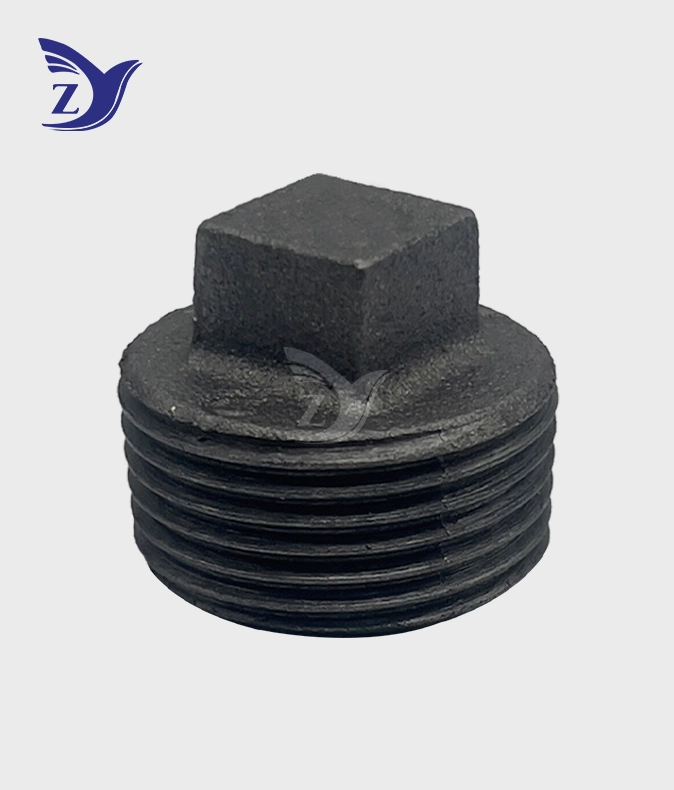
NPT. Black Flangeless Plug Pipe Fittings
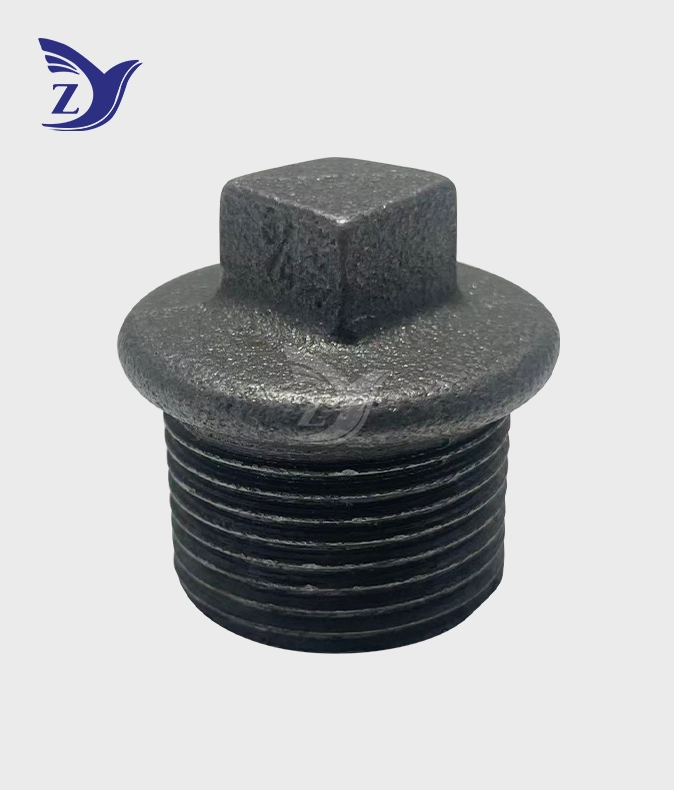
NPT Black Flanged Plug Pipe Fittings
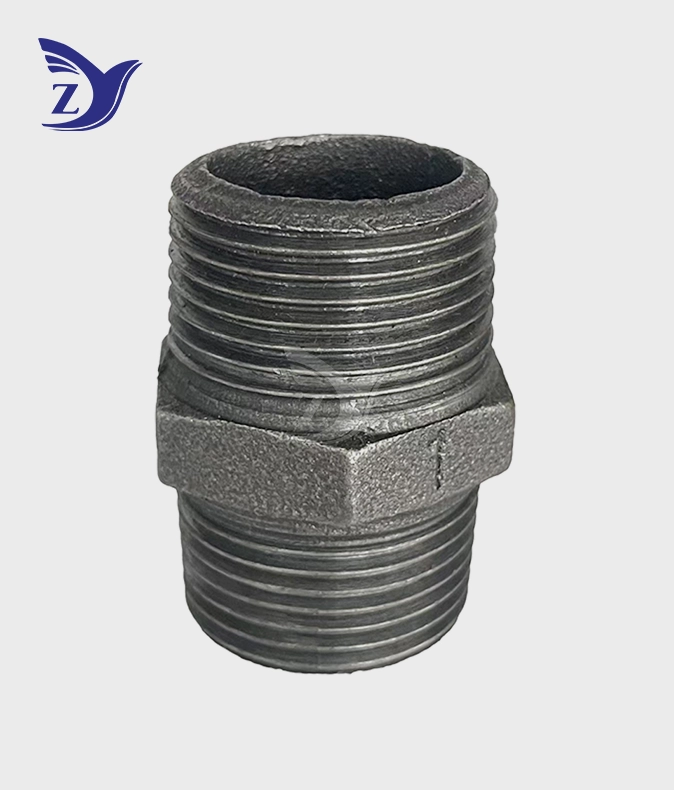
BSPT Black Male Nipple Pipe Fittings
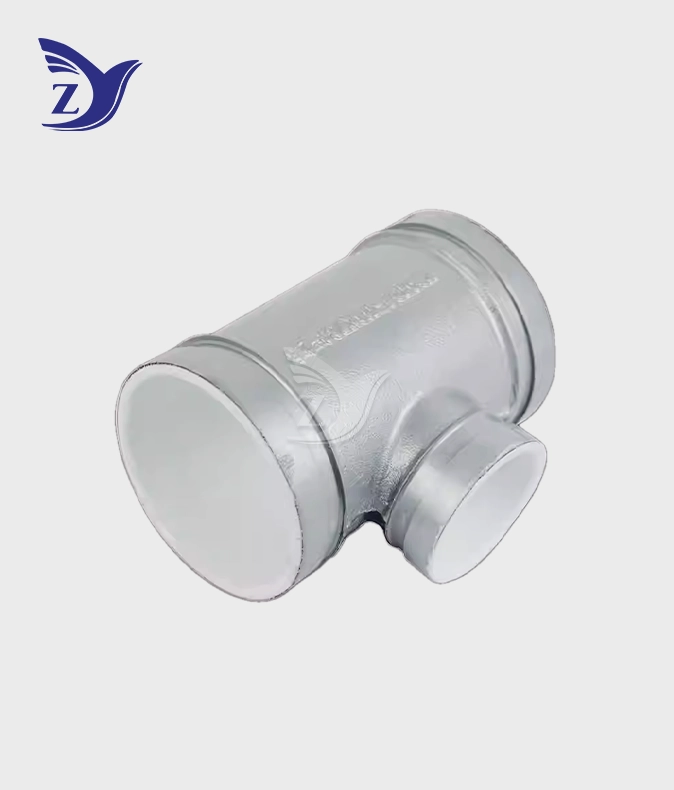
Water Grooved Reducing Tee
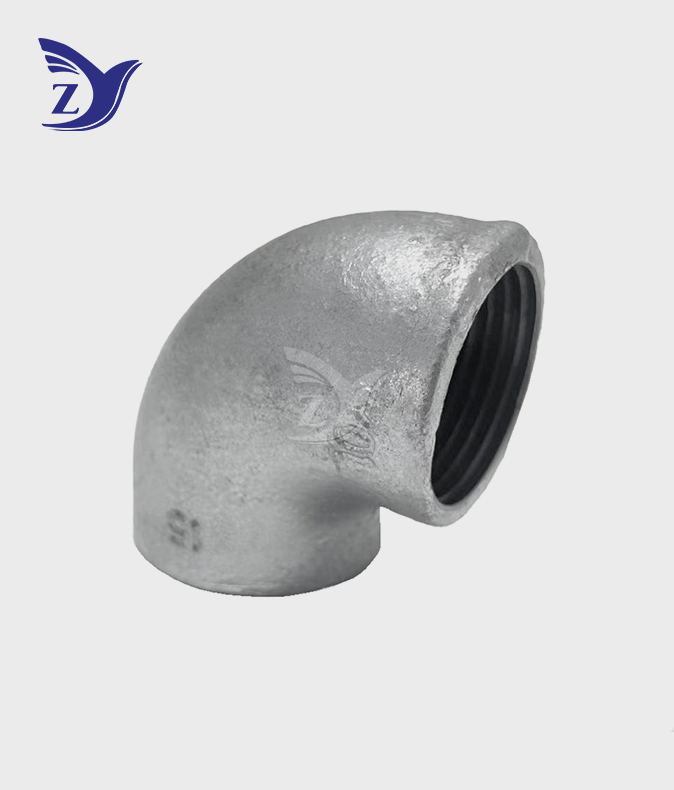
No Hub Electro Galvanized 90° Elbow Pipe Fitting
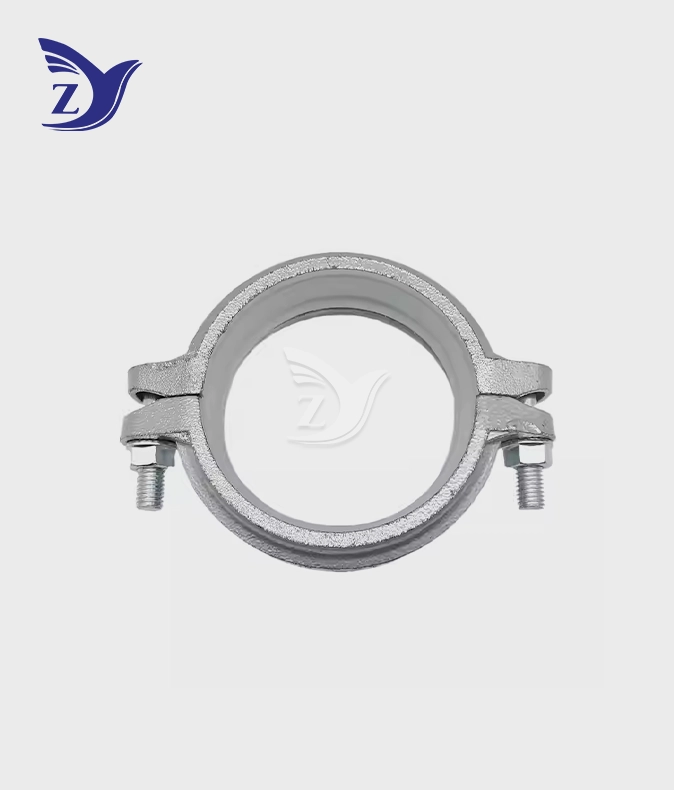
Water Grooved Clamp
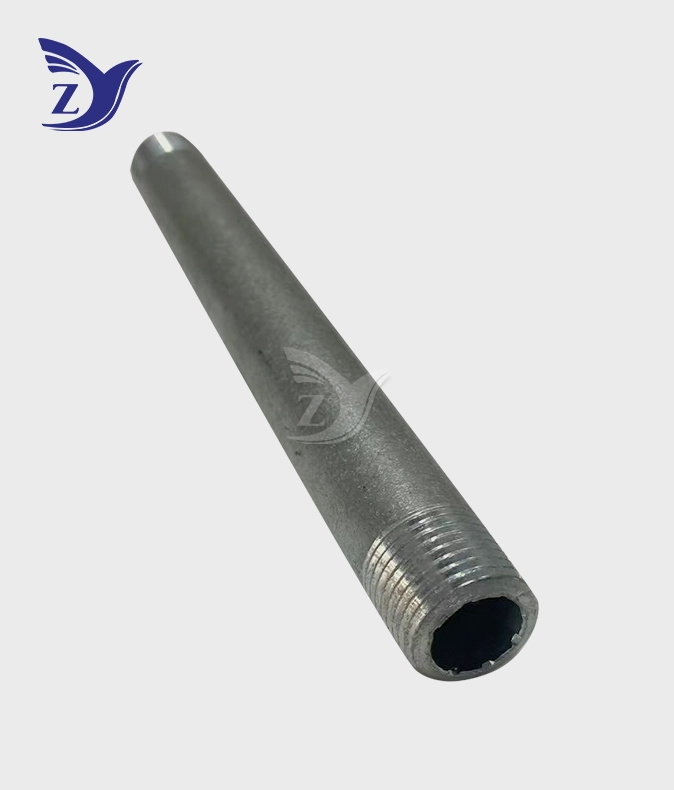
Carbon Steel Pipe Male Threaded Fittings Electro Galvanized
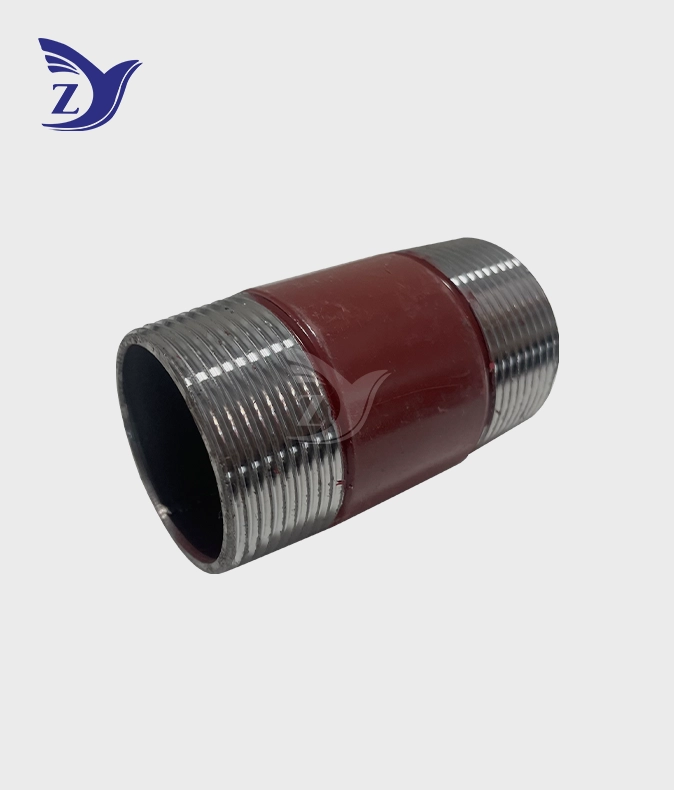
Carbon Steel Pipe Male Threaded Fittings Red Coated