
May 18, 2026
Difference Between Cap And Plug Fittings
When building or managing industrial piping systems, it's important to know the difference between cap and plug fittings so that seals work well and the system works at its best. Cap fittings protect against dirt and debris by covering the outside end of a pipe with a cap that can be taken off. Plug fittings, like the black flangeless plug pipe fitting, are threaded parts that fit straight into female pipe holes or tapped ports to make a permanent or semi-permanent seal from the inside. The flangeless form gets rid of heads that stick out, which makes setups smaller in tight spaces. Both types of fittings are very important, but they do different things. Choosing the right type has a direct effect on preventing leaks, improving maintenance efficiency, and ensuring long-term system integrity in fire protection, city water supply, HVAC, and industrial process uses.
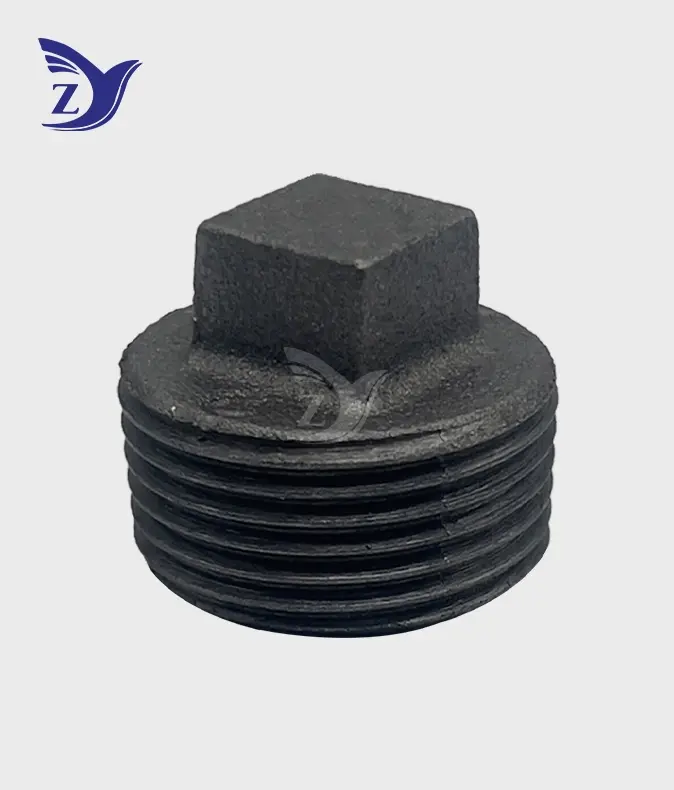
Cap and Plug Fittings: Definitions and Core Differences
To find your way around the world of pipe fittings, you need to know how each part works in your system. At first glance, cap and plug fittings may look like they can be used together, but their designs and ways of being installed are very different.
What Is a Cap Fitting?
A cap fitting is an outside device that threads or welds onto the outside of the end of a pipe to close it off. Additionally, it protects the pipe opening from outside factors like dust, water, and gases that are bad for pipes. When making caps, materials like stainless steel, PVC, or black malleable iron are often used, based on the pressure and temperature needs of the product. They are often used during tests, short-term shutdowns, or growth projects where pipe extensions will be added in the future. Caps are placed on the outside of the system so they can be easily removed for repair or system changes.
What Is a Plug Fitting?
Black flangeless plug pipe fittings are used for something different because they close off holes from the inside. An NPT or BSPT unflanged plug made of black malleable iron screws into a female threaded port. The thread engagement and taper shape make a tight seal that can withstand pressure. These plugs are different from traditional ones because they don't have a lip or a head that sticks out. This makes them smaller and safer for tight setups where they could get caught. They work great in places with limited room, like manifold systems, valve bodies, and pump housings, where small solutions are needed. Plugs that can handle steam, water, gas, and low-pressure hydraulic fluids are part of the threaded pipe end closing industrial fitting group.
Key Operational Distinctions
The biggest change is how they are installed: caps go on the outside, while plugs go inside. This changes how torque is applied. For example, caps usually need wrenches with hexagonal or square heads, while flangeless plugs usually use internal hexagonal holes or square slots. Different types of maintenance are also used. Plugs are usually meant to be permanently sealed, while caps can be removed and reinstalled without damaging the system. Knowing these details helps buying teams choose parts that work with the way the system is built, the needs of people with disabilities, and plans for future changes.
Technical Comparison: Performance, Dimensions, and Materials
When deciding between cap and plug fits, you need to carefully look at the technical details that govern how long they last, how much pressure they can handle, and how well they work with existing pipeline infrastructure.
Dimensional Precision and Thread Standards
Caps are easy to measure because they match the outer diameter of the pipe end and usually meet ANSI or DIN standards for external threading. Water and gas pipeline unflanged closing plugs, on the other hand, need exact internal thread shape. National Pipe Taper (NPT) plugs have a 60-degree thread angle and a 1:16 taper, which is in line with ANSI/ASME B1.20.1 standards. British Standard Pipe Taper (BSPT) black flangeless plug pipe fittings, on the other hand, have a 55-degree Whitworth shape and are in line with ISO 7-1. This taper makes an interference fit that gets tighter when pressure is applied. This squeezes sealant materials, like PTFE tape or pipe dope, into tiny gaps to stop leaks. To avoid cross-threading problems that damage seal integrity and push back project deadlines, procurement officers must make sure that threads are compatible.
Material Properties and Corrosion Resistance
Because it is so flexible and doesn't break easily when heated, black malleable iron is a great choice for both caps and plugs. This material, which is made according to ASTM A197 or BS EN 1562 Grade B350-10, has a tensile strength of about 350 MPa, which means it can handle installation pressure without breaking. The lacquer or black oxide covering protects against rust in basic ways and is good for gas lines, steam systems, and fluids that don't react badly with metal. Precision-threaded black malleable iron plugs work better in high-temperature settings than galvanized ones because zinc coats can break down above 400°F, but black finishes stay strong up to 650°F. For longer service life, caps that will be used outside or in acidic environments may need to be made of stainless steel (ASTM A351) or hot-dip galvanizing according to ASTM A153.
Pressure and Temperature Performance
Unflanged plugs with high strength and resistance to rust can handle pressure classes from 150 psi (Class 150) to 3000 psi (Class 3000), based on the thickness of the wall and the grade of the material used. According to ASME B16.14 testing guidelines, structures must be put under hydrostatic pressure trials at 1.5 times the working pressure to make sure they are strong. Caps usually work with the same pressure values, but if they are made of polymer, they may not be able to handle as much temperature change. Black iron plugs work great in steam distribution networks where temperatures hit 450°F because they use the thermal conductivity of the material to spread heat out widely and keep stress from building up in one area. Because of these performance traits, they are essential in industrial plants, power plants, and public heating systems.
Decision-Making Insights for Procurement Managers
When choosing fittings, procurement experts have to balance technical needs with the realities of the supply chain, budgetary limits, and the dependability of vendors in order to offer value throughout the lifecycle of a project.
Comparing Flangeless and Traditional Plugs
Traditional flanged plugs have external heads that make it easier to use a wrench, but they take up more space and can snag things. These problems have been fixed by switching to flangeless designs, which allow installation in deep ports and reduce the amount of extension beyond the mating surface. According to procurement data, flangeless plugs cut down on installation time by about 15% in manifold systems because they can be used in situations where tool access is limited. The price differences are small—usually just 5 to 10 percent more for flangeless versions—and they are easily made up for by the fact that they require less work and there is less chance of damaging the fitting when repairing nearby components. When buying in bulk for big projects, talking prices with well-known black flangeless plug pipe fitting makers can get you savings of up to 20%, which increases the overall project margins.
Selection Criteria Aligned with System Requirements
For fitting selection to work well, technical requirements must be matched with operating conditions. Systems that work above 300°F need materials that don't break down easily at high temperatures. Black malleable iron is better than brass or some plastics in this case. For chemical compatibility tests, fluid resistance charts are used to make sure that the materials chosen can handle being exposed to process media for a long time without releasing contaminants or rusting faster. When verifying the pressure rating, surges and water hammer events are taken into account. To be safe, fittings rated 25% above standard working pressures are chosen. Custom OEM orders can include non-standard thread pitches or special coatings, but the wait time is usually 4 to 6 weeks longer than for regular items.
Supplier Evaluation and Quality Assurance
When you work with reputable providers, you lower the risk of buying low-quality parts that will make your system less reliable. Manufacturers who are qualified keep their ISO 9001 certification up to date and provide material test records (MTRs) that show how the ingredients in a batch compare to ASTM standards. Third-party reviews use calibrated L1 ring gauges to check the threads and coordinate measuring machines (CMMs) to check the body shape to make sure the dimensions are correct. Suppliers with CE, UL, and FM licenses show that their products meet foreign safety standards, which is very important for products that will be sold in controlled markets. Checking a supplier's production capacity, like Zhiyuan Malleable Steel's 30,000-ton annual output, makes sure that orders are filled reliably during times of high demand and keeps projects from being held up by supply problems.
Conclusion
It is important to know the difference between cap and plug fits when building strong, easy-to-maintain pipeline systems for a wide range of industry uses. While black flangeless plug pipe fittings offer small, permanent sealing options for space-constrained systems, cap fittings offer accessible, replaceable seals that are great for testing and temporary closes. Black malleable iron is a good choice for a material because it is strong, good at handling heat, and cheap. It can be used for fire safety, city structures, and industrial process systems. Strategies for buying things that focus on supplier certification, precise measurements, and bulk prices are the best way to save money up front and keep things running smoothly over time. By making sure that fitting specs match system needs and working with reputable makers, engineering teams get the parts they need to keep pipeline networks around the world leak-free and running smoothly, which is essential for important operations.
FAQ
What Are the Main Advantages of Black Flangeless Plug Fittings?
Black flangeless plug pipe fittings are better than standard designs in a number of important ways. Their small, flush-mount design gets rid of protruding heads, making setups safer by lowering the chance of snagging and allowing components to be closer together. The internal hex socket makes high-torque applications easier without hurting the outside, which makes the fitting more reliable. The black malleable iron design of these plugs makes them better at transferring heat than galvanizing options. This means they can be used in steam systems and high-temperature situations up to 650°F. Not having openings also makes the material lighter and cheaper, which is especially helpful when buying in bulk.
Can These Fittings Handle High-Temperature Applications?
Of course. Black malleable iron plugs are specially made for high-temperature conditions that are popular in industrial settings. The material is thermally stable up to about 650°F, which means it can be used in systems that distribute steam, recirculate hot water, and heat processes. The black oxide or lacquer covering doesn't break down when heated and cooled, while galvanized coats can flake or become less flexible above 400°F. As per the ASME B31.3 pipe code, when procurement teams identify fittings for high-temperature service, they should check the pressure values at working temperatures. This is because allowed stress reduces with heat exposure.
How Do I Verify Dimensional Accuracy When Ordering?
To avoid dimensional mismatches, you need to communicate exact specifications and look over the supplier's quality paperwork. Ask for precise sketches that show the thread pitch, the major and minor diameters, and the sizes of the hex socket. Make it clear which thread standard you want to use—NPT or BSPT—because they are not interchangeable, even though they look the same. Ask providers for certificates of conformance that list ANSI/ASME B1.20.1 or ISO 7-1 standards and find out if they test production batches with a "go/no-go" scale. By taking samples of the first orders before ordering everything, you can use thread gauges and calipers to make sure the parts are compatible and find problems before they become costly installation mistakes.
Partner with Zhiyuan Malleable Steel for Reliable Pipe Fitting Solutions
For more than 26 years, Zhiyuan Malleable Steel has provided fitments made of precision-threaded black malleable iron to the fire protection, city building, and industrial sectors. Our catalog of black flangeless plug pipe fitting suppliers includes NPT and BSPT sizes ranging from 1/8" to 6". These fittings are made according to ISO 9001 quality standards and can be fully tracked. We keep a large inventory of standard items that can be delivered in two hours, and our 30,000-ton annual capacity lets us handle bulk orders for big jobs without affecting wait times. We offer ODM/OEM customization services that can handle non-standard threads, special finishes, and specific size needs. Our 38-person technical team has a lot of experience with precision cutting and malleable casting. Our CE, UL, and FM standards make sure that our products are compliant around the world, and our policy for replacing broken products protects your purchasing investment. You can email us at q1236800000@gmail.com or go to zymalleablepipefitting.com to get quotes, technical details, and examples that show why top contractors and wholesalers trust Zhiyuan to provide mission-critical pipeline components.
References
- American Society of Mechanical Engineers. ASME B16.14: Ferrous Pipe Plugs, Bushings, and Locknuts with Pipe Threads. ASME Standards Committee, 2018.
- British Standards Institution. BS 21: Specification for Pipe Threads for Tubes and Fittings Where Pressure-Tight Joints Are Made on the Threads. BSI Group, 2015.
- ASTM International. ASTM A197: Standard Specification for Cupola Malleable Iron. ASTM Committee A04, 2020.
- International Organization for Standardization. ISO 7-1: Pipe Threads Where Pressure-Tight Joints Are Made on the Threads – Part 1: Dimensions, Tolerances and Designation. ISO Technical Committee 5, 2019.
- Davis, H.E. Piping Materials Guide. Gulf Professional Publishing, 2017. Chapter 8: Threaded Fittings and Closure Devices.
- Smith, P.R. and T.J. Zappe. Valve Selection Handbook: Engineering Fundamentals for Selecting the Right Valve Design. Elsevier Science, 2021. Section on Auxiliary Pipeline Components.
Online Message
YOU MAY LIKE
High quality furniture manufacturer
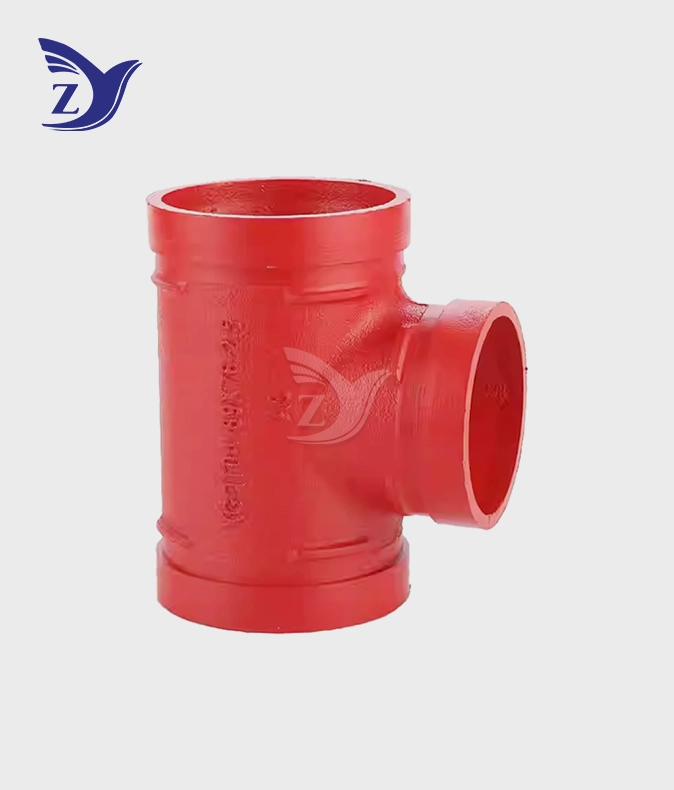
Fire Grooved Reducing Tee
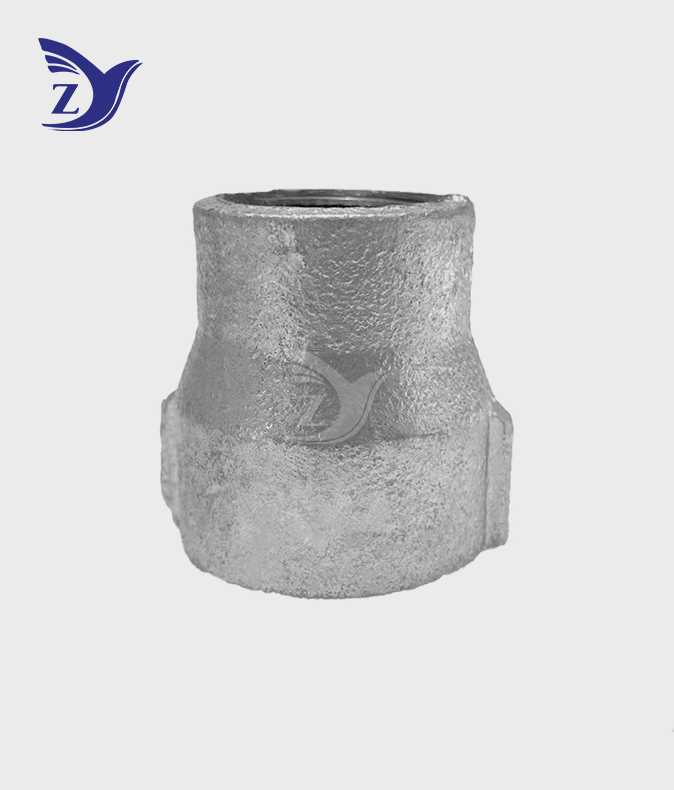
No Hub Hot Dip Galvanized Reducing Coupling Pipe Fitting
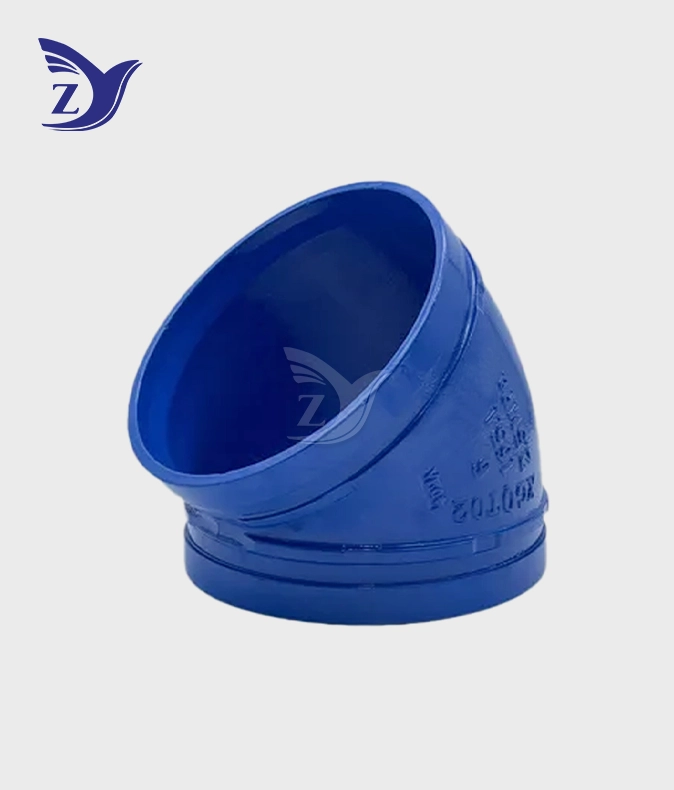
Water Grooved 22.5-degree grooved elbow
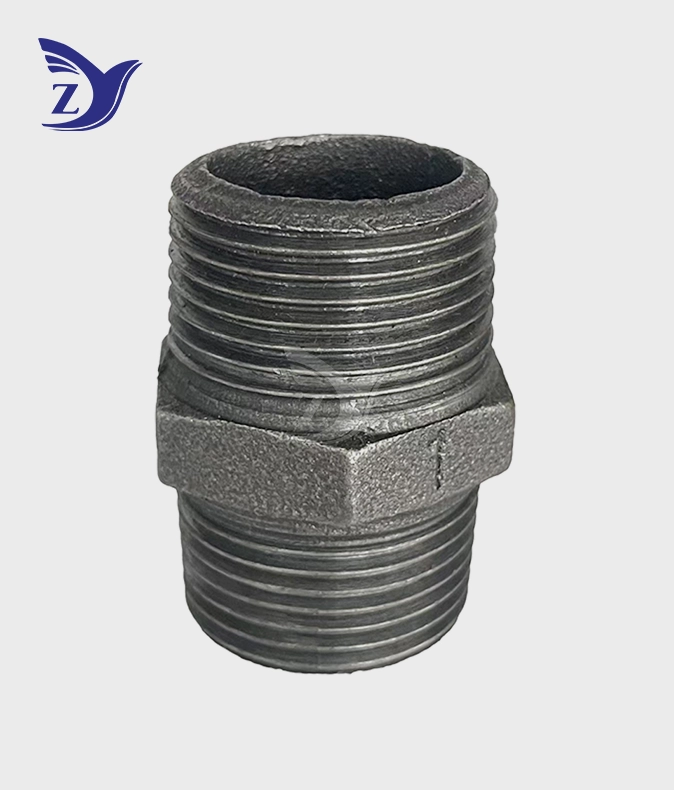
BSPT Black Male Nipple Pipe Fittings
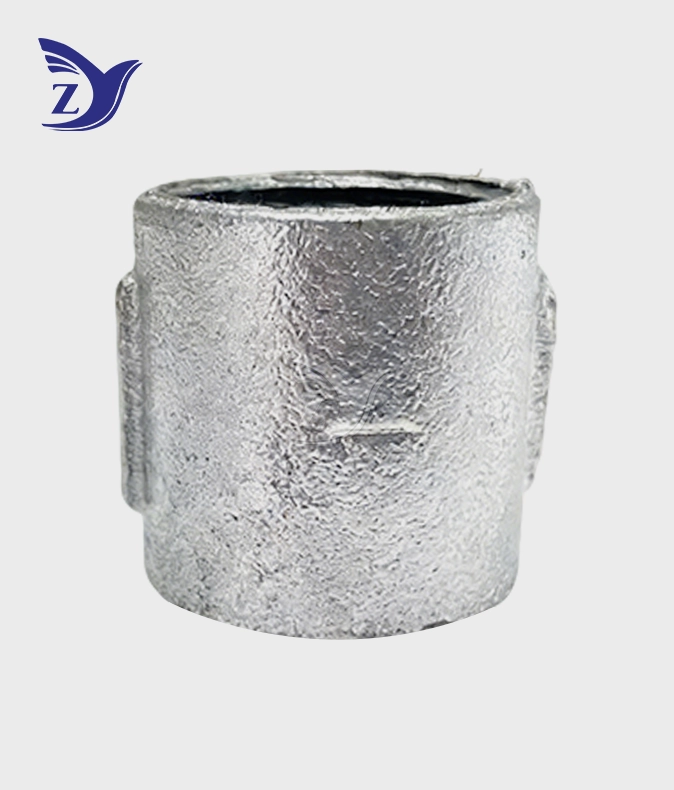
No Hub Hot Dip Galvanized Coupling Pipe Fitting
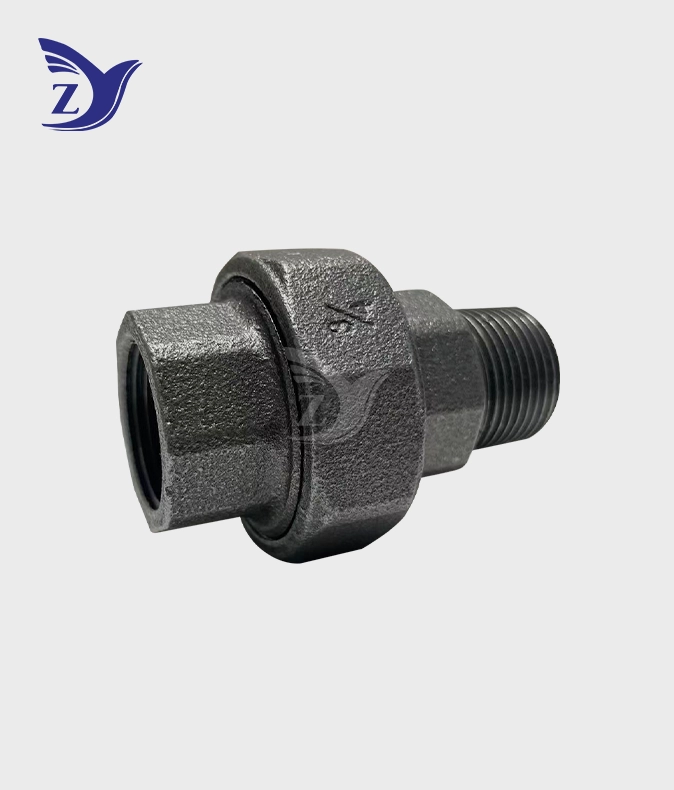
NPT Black Male-Female Union 343 Pipe Fittings
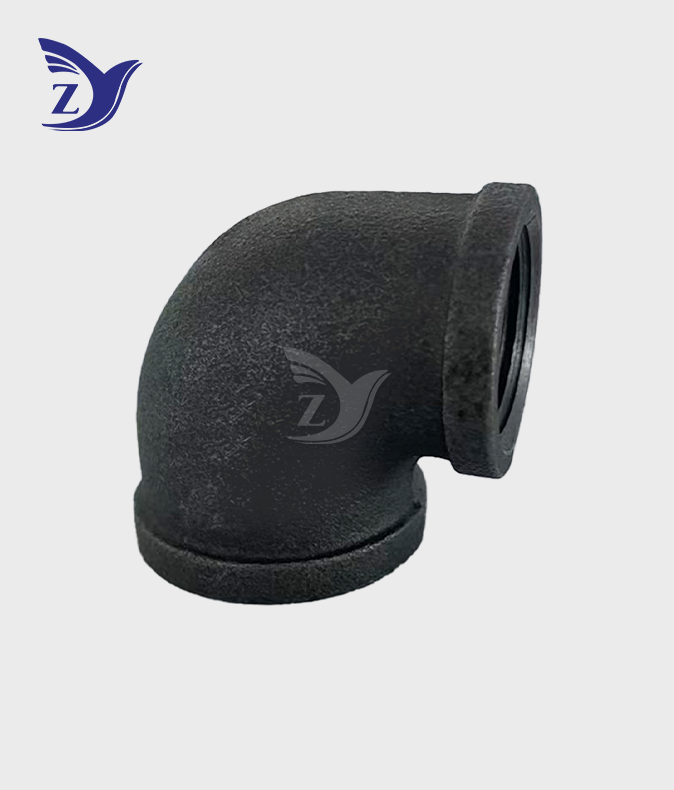
NPT Black Square Edge Reducing 90° Elbow
No Hub Electro Galvanized Reducing Coupling Pipe Fitting