
May 19, 2026
Black Square Face Cross Pipe Fittings Dimensions
When choosing parts for industrial pipe networks, it's important to know how black square face cross pipe fittings work. These special 4-way connections are different from regular beaded fittings because they have square-edged reinforced holes. Made from bendable iron and threaded with NPT or BSPT, they allow pipeline spread in multiple directions at right angles. The "square face" name refers to the heavy-duty, flat surface at each port hole that makes it easier to hold a wrench and keeps the structure strong during high-torque installation. Dimensions range from ½-inch to 3 inches nominally, and face-to-face lengths depend on the size class and threading standard. Knowing exact dimensions is important for making sure that systems work together.
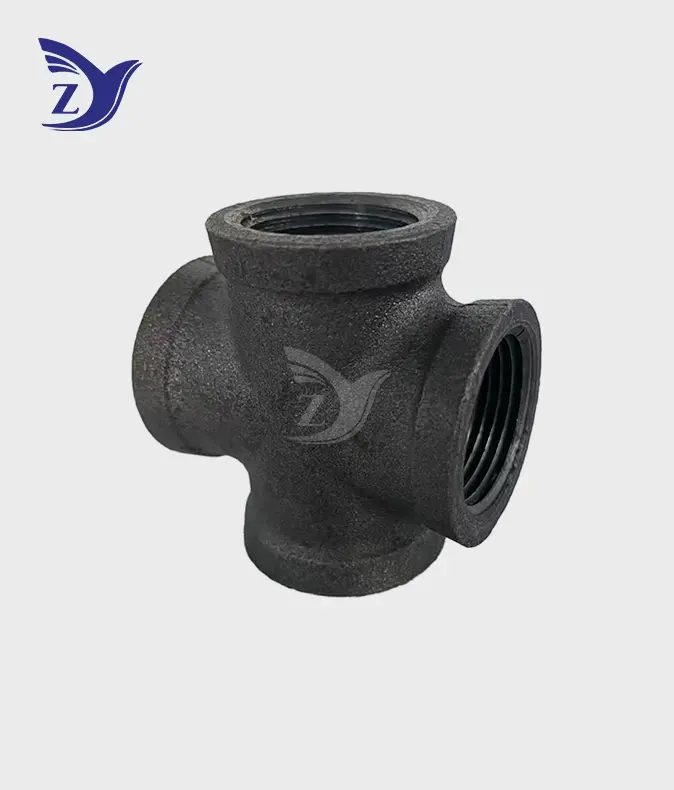
Black Square Face Cross Pipe Fittings: Overview and Dimensions
A lot of the time, industrial pipe systems need branch places where fluid or gas flows can go in more than one way at the same time. This is where cross parts that were carefully designed and made come in very handy.
What Makes Square Face Design Different
When you put too much torque on a traditional beaded pipe fitting, the smooth support rings at the connection points can bend. The square shape of the face gives you a flat, strong surface to grip around each threaded hole. This physical advantage makes the material thicker where stress is high, which lowers the chance of cracking during assembly. When pipe tools are used to tighten connections, the flat sides of the fitting body spread mechanical forces more evenly.
The size and shape of black square face cross pipe fittings have a direct effect on how easy they are to install. Measurements of the fitting's face-to-face length show how much space it takes up in a pipeline system. A normal 1-inch NPT black malleable cross usually goes out to about 2.44 inches from the bases of the two faces that face each other, while a 2-inch version goes out to about 3.70 inches. These measures are very important in mechanical rooms that are already crowded or in retrofit jobs where space is limited.
Critical Dimension Parameters
Before buying durable threaded 4-way pipeline fittings, procurement teams must check a number of size requirements. The flow rate and pressure drop are affected by the bore width. The internal passage width of a ¾-inch fitting is about 0.82 inches, which is large enough for many HVAC and water circulation tasks. Larger 1½-inch types have bore sizes that are close to 1.61 inches, which makes them good for industrial process systems that need to handle higher volumes.
Another important number is the thread contact length. ANSI/ASME B1.20.1 guidelines say that NPT threads should have a 60-degree slope and a 1:16 taper ratio. The right dimensional compliance makes sure that male pipe threads move the right distance into female ports. When paired with the right thread sealants, this makes a solid pressure seal. A ½-inch NPT link needs about 0.5 inches of thread contact, while a 2-inch fitting needs about 0.75 inches.
The density of a material affects estimates of weight that are necessary for transportation planning. The density of black malleable iron plates is usually between 7.2 and 7.4 grams per cubic centimeter. A cross joint that is 1 inch wide weighs about 0.95 pounds, and one that is 2 inches wide can weigh up to 3.2 pounds. These weight limits have an effect on how much it costs to ship things and how much support is needed for sites that hold pipes.
Dimensional Standards Across Markets
Most projects in North America need threading dimensions that are NPT, while most projects in Europe and Asia need threading dimensions that are BSPT. Even though both mounting methods make tapered rings, they are not the same size. BSPT threads have a flank angle of 55 degrees, while NPT threads have a flank angle of 60 degrees. Pitch measures are also different between standards. A ½-inch BSPT thread has 14 threads per inch, and an NPT thread also has 14 threads per inch, but they can't be switched out because of the way the thread forms are made.
Knowing these differences can help you avoid making costly design mistakes. When buying black square face cross pipe fittings for water and gas pipelines that can be used in both directions for foreign projects, buyers must make it clear what threading standard they need. Before being shipped, made fittings are checked for size using physical gauges or optical measurement tools to make sure they match the design specs.
Technical Specifications and Standards Governing Dimensions
Every measurement of high-strength, corrosion-resistant 4-way fittings used in important infrastructure is shaped by how they must meet regulations.
Governing Manufacturing Standards
ASME B16.3 sets the size standards for threaded bolts made of malleable iron that are used all over North America. This standard tells makers what the necessary wall thicknesses, face-to-face lengths, and center-to-outlet dimensions must be. Compliance makes sure that different makers stick to the same sizes, which lets parts be switched out in pipe systems.
The standard divides parts into two groups based on their pressure ratings: Class 150 and Class 300. Black square face cross pipe fittings made of Class 150 black malleable iron that are precision-threaded can usually handle working pressures of up to 300 PSI for water, oil, and gas service at room temperature. However, their values drop when the temperature rises. When it comes to dimensions, Class 150 fittings need smaller wall sections than Class 300 versions, which can handle higher pressures.
In European markets, ISO 49 and EN 10242 set the size requirements for parts made of flexible cast iron. These standards spell out lengths and threading sizes that are based on meters and work with BSPT devices. The guidelines say that materials must have a minimum tensile strength of 300–350 MPa and a stretch percentage of more than 5%. This makes sure that the materials are flexible and don't break easily.
Material Selection and Dimensional Stability
Choosing between standard black malleable iron and other materials changes how the dimensions behave in real-world situations. The heat treatment methods used on malleable iron turn weak white cast iron into a tougher, more flexible material. This change happens during annealing processes at temperatures around 900°C, which turn the mixed carbon into graphite with nodules.
How stable the dimensions are when the temperature changes relies on the type of material and how well it was heated. When black oxide or lacquer coats are put on finished fittings, they add a very small amount of thickness (usually 0.001-0.003 inches), which doesn't change the thread sizes much. These layers keep the dimensions accurate so that the threads can connect properly and stop rust from forming during storage and shipping.
Hot-dip methods add about 0.002 to 0.004 inches to the surface size of galvanized versions that have been coated with zinc. The thickness of the finish can change how well the threads fit, especially on smaller standard sizes where the tolerances are tighter. When strict thread gauging rules are in place, the specs for buying galvanized NPT/BSPT suitable square-edge cross fittings should take this difference in size into account.
Pressure Ratings Linked to Dimensions
The ability to handle pressure is directly related to the thickness of the walls. At the point where four branches meet, thicker wall sections give the structure the power it needs to hold internal stresses without deforming. The center body wall thickness of a 1-inch Class 150 cross fitting is about 0.280 inches, while the thickness of the center body wall of a Class 300 cross fitting is about 0.375 inches.
Through thermal expansion factors, temperature rates and size requirements are affected by each other. Iron that can be shaped grows by about 0.0000065 inches per degree Fahrenheit. A 3-inch fitting that is working at 300°F grows about 0.002 inches in size compared to when it is at room temperature. When makers of piping systems figure out alignment tolerances and support space, they take this growth into account.
Procurement Insights for Black Square Face Cross Pipe Fittings
When making strategic buying choices, you have to weigh the need for precise measurements against business concerns.
Supplier Qualification Criteria
Certified black square face cross pipe fittings suppliers show that they can control dimensions by using quality management systems that meet ISO 9001 standards. These systems require that measuring tools be calibrated, that process capability studies be done, and that statistical quality control methods be used to make sure that the dimensions are always the same. Asking for capability indices (Cpk values) for important dimensions like thread pitch diameter shows if a supplier's methods consistently make things that are within the limits of the standard.
Material certifications show that the iron meets the chemical makeup and mechanical qualities specified in ASTM A197. These test reports confirm the amount of carbon, silicon, and tensile strength that affects how stable the dimensions are during service. Reliable providers offer material tracking, which connects the specific heat of the raw material used in casting to the final fittings.
Third-party testing confirmation gives maker claims more weight. Independent labs have checked the dimensions and pressure of fittings that have UL or FM approval marks on them. These qualifications are taken seriously by the people who have the power to review building permits, which speeds up the process of getting projects approved.
Dimensional Verification Methods
Protocols for incoming inspection protect buyers from non-conformance with dimensions. Before assembly starts, thread gauges make sure that the external threads on the pipe match the internal threads on the fittings. Go/no-go gauges quickly tell you whether something passed or failed, while indicating gauges measure the real pitch width values for more in-depth analysis.
Coordinate measuring tools are a complete way to check the sizes of complex shapes. These systems take a lot of readings across fitting surfaces and compare them to the specs in the CAD model. Dimensional inspection reports made from CMM data are objective proof of the quality of the manufacturing that can be used for quality control records.
Costs of inspections and risk tolerance are balanced by statistical sample plans. It is not possible to inspect all of the fittings in a big shipment, but using statistically correct samples based on AQL (Acceptable Quality Level) standards can give you trust in the quality of the lot as a whole. A normal plan would look at 125 of a package of 3,000 items and accept the whole thing if there are less than seven problems.
Conclusion
The accuracy of the dimensions in black square face cross pipe fittings directly affects how well the system works, how quickly it is installed, and how reliable it is in the long run. Knowing how face-to-face measurements, thread specs, wall thickness, and bore width affect each other lets you make smart purchasing decisions that meet the needs of the job. Following the rules set by ASME B16.3, ISO 49, and other similar organizations helps make sure that all providers follow the same measurements and meets all legal requirements. When compared to traditional beaded options, the square face design is significantly better at improving structural strength, fitting pressure resistance, and sealing reliability. For execution to go smoothly, it's important to make sure the dimensions are correct, use the right installation methods that meet thread engagement standards, and work with makers who can show they can handle quality control. When safety and dependability are very important, like in fire protection, city structures, and industrial processes, these dimension factors become very important.
FAQ
How do I verify fitting dimensions before purchasing?
Ask makers for approved dimensional inspection records that show measurements taken with properly calibrated tools. In these reports, the measures of face-to-face length, center-to-outlet dimensions, thread pitch width, and wall thickness should be written down and compared to the relevant standards. Thread gauges are useful for checking in the field to make sure that the threads on fittings match the threads on the pipes you already have. Suppliers you can trust will give you sample units to look at in person before you commit to big orders.
Can square face fittings interchange with round beaded versions?
Threading compatibility lets square face and beaded fits that have the same specified size and thread standard physically connect to each other. When put together correctly and with the right thread sealer, both make joins that are sealed. The difference in size is not due to thread specs, but to the shape of the reinforcements at the port holes. There are no technical problems with mixing fitting styles within a system, but it looks better if all exposed installs have the same design.
What dimensional standards should I specify to suppliers?
For jobs in North America, use ASME B16.3 to find threaded fittings made of malleable iron that have NPT threads that meet ANSI/ASME B1.20.1 standards. For European uses, EN 10242 must be met with BSPT threads according to ISO 7-1. Make it clear what pressure class is needed (Class 150 or Class 300), as this affects the wall thickness measurements. Include information about the materials, mentioning ASTM A197 for malleable iron or an ISO standard that is similar. Instead of taking verbal promises, ask for documents that show compliance.
Partner with Zhiyuan Malleable Steel for Dimension-Accurate Black Square Face Cross Pipe Fittings
Zhiyuan Malleable Steel is a trustworthy company that offers black square face cross pipe fittings. They have been making for 26 years and have modern quality control systems in place. Our production system is ISO 9001-certified and keeps tight dimensional tolerances for all size requirements. It is also backed by CE, UL, and FM certifications that are accepted in all foreign markets. With a yearly capacity of 30,000 tons and normal inventory delivery within two hours, we get rid of the delays that throw off project schedules. Our expert team can help you choose the best fitting configurations for your pipeline needs by giving you advice on their dimensions. The thread sizes are kept safe during shipping in double-layer cardboard boxes, and our replacement warranty covers any broken goods that cause installation delays. Because custom OEM/ODM is possible, it can meet the unique size needs of a variety of uses. For your next job, email our procurement experts at q1236800000@gmail.com to get thorough dimension sheets, material certifications, and cheap quotes. You can look at our whole selection of moldable steel pipe fittings made to specific measurements by going to zymalleablepipefitting.com.
References
American Society of Mechanical Engineers. (2022). ASME B16.3: Malleable Iron Threaded Fittings - Classes 150 and 300. New York: ASME Press.
European Committee for Standardization. (2020). EN 10242: Threaded Pipe Fittings in Malleable Cast Iron. Brussels: CEN Publications.
ASTM International. (2021). ASTM A197: Standard Specification for Cupola Malleable Iron. West Conshohocken: ASTM International Standards.
National Fire Protection Association. (2019). NFPA 13: Standard for the Installation of Sprinkler Systems. Quincy: NFPA Publications.
Crane Company. (2018). Flow of Fluids Through Valves, Fittings, and Pipe: Technical Paper No. 410. Stamford: Crane Co. Engineering Division.
Smith, J.R. & Williams, M.T. (2020). Piping Systems Manual: Design, Installation, and Maintenance Standards. Houston: Industrial Press Publishers.
Online Message
YOU MAY LIKE
High quality furniture manufacturer
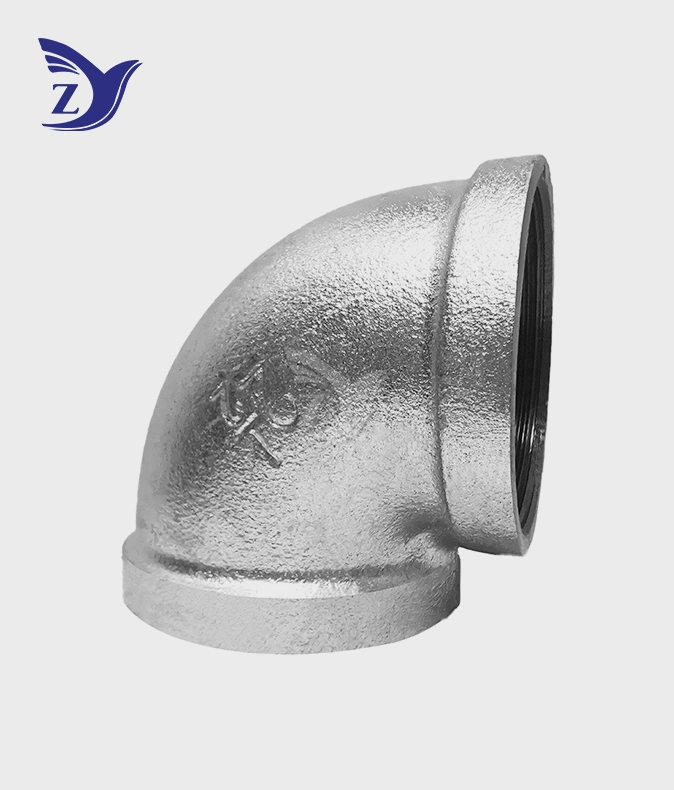
NPT Square Face Galvanized 90° Square Edge Elbow Pipe Fittings
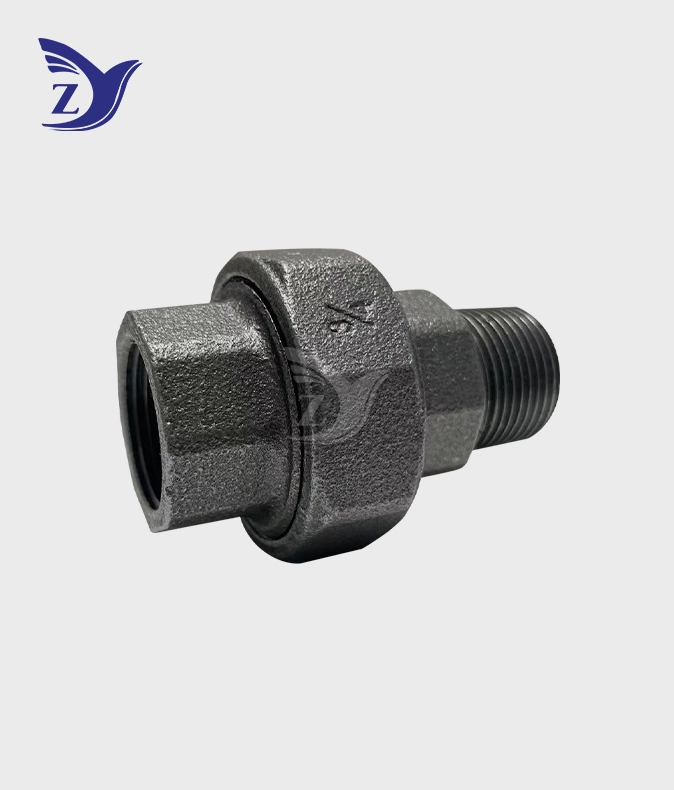
NPT Black Male-Female Union 341 Pipe Fittings
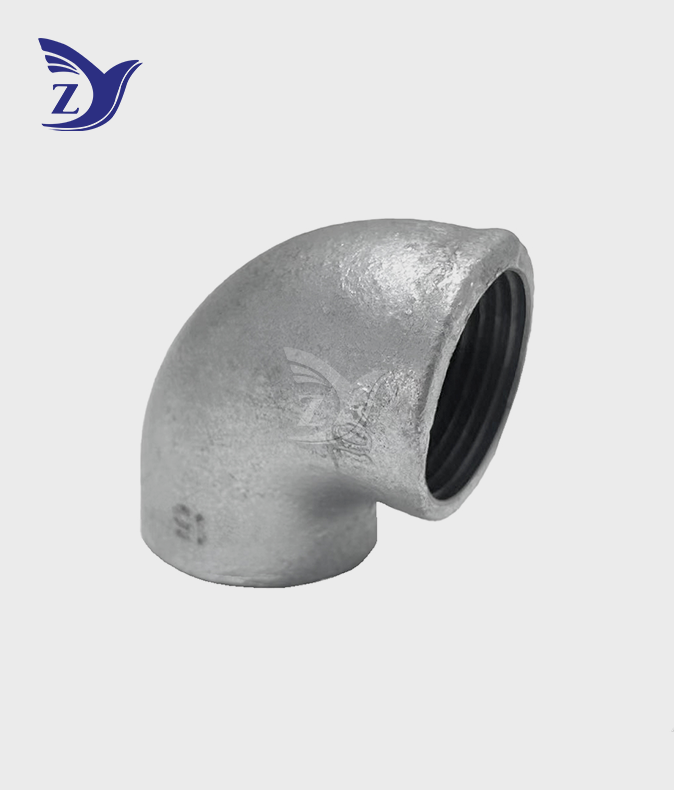
No Hub Hot Dip Galvanized 90° Elbow Pipe Fitting
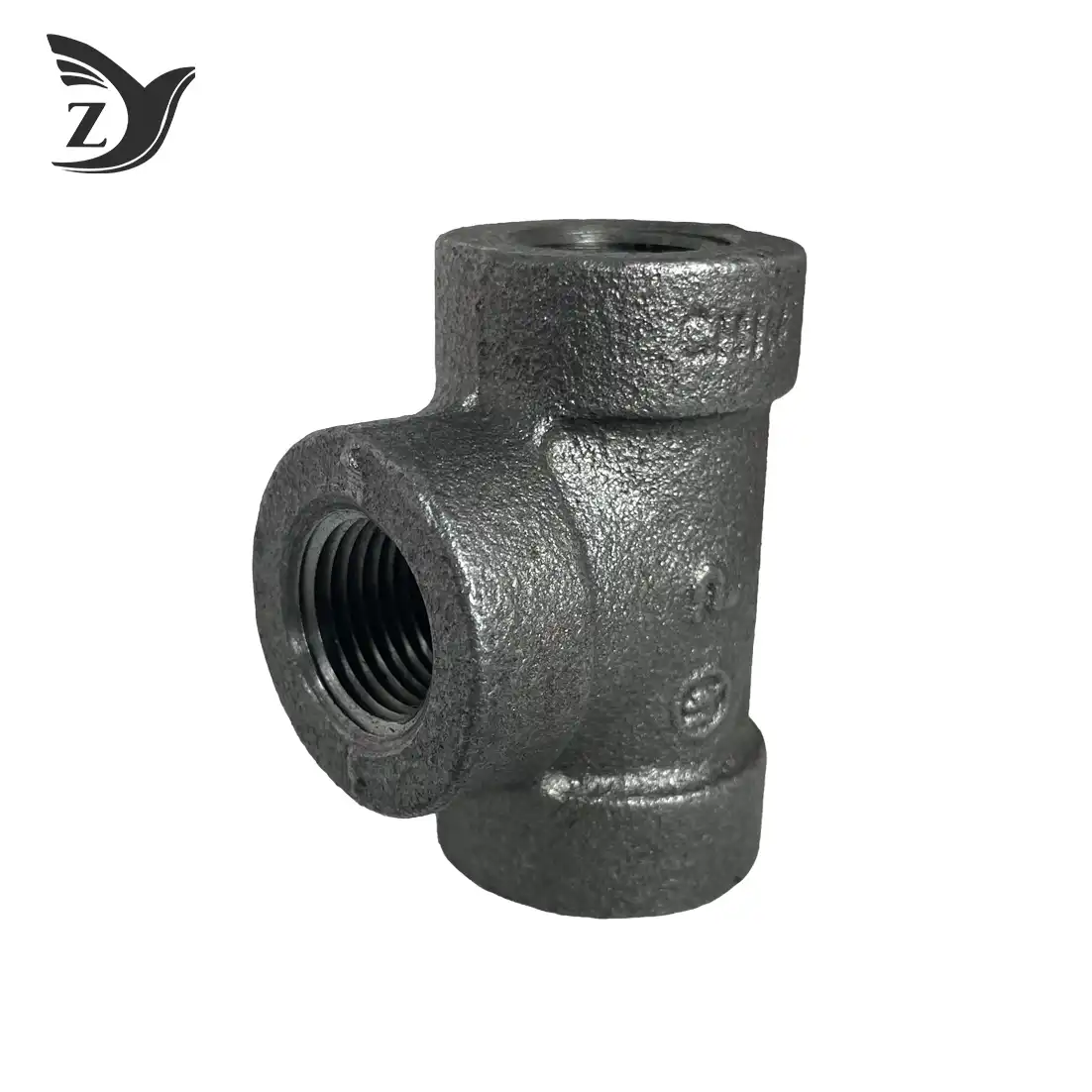
Black 300# Malleable Cast Iron Tee Pipe Fitting
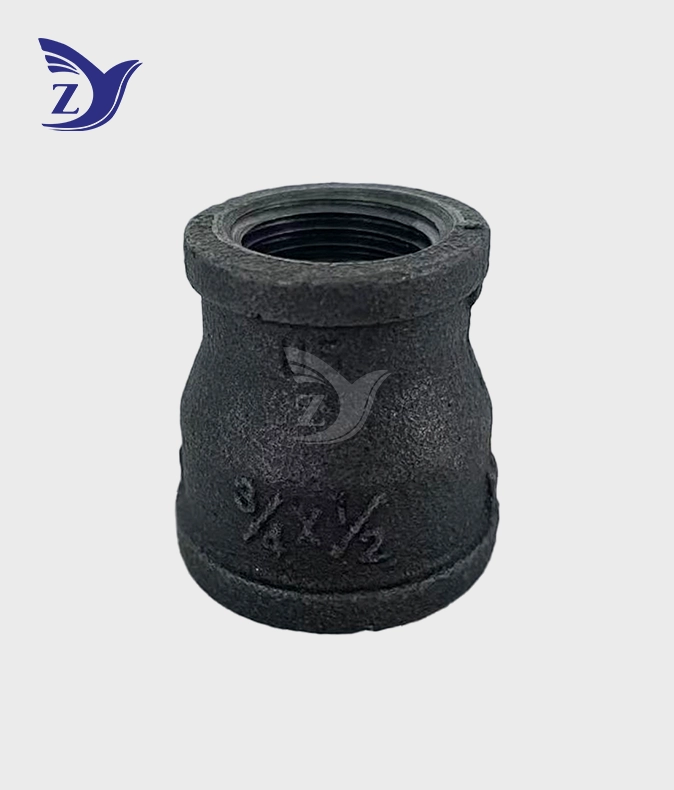
NPT Black Square Face Reducing Coupling Pipe Fittings
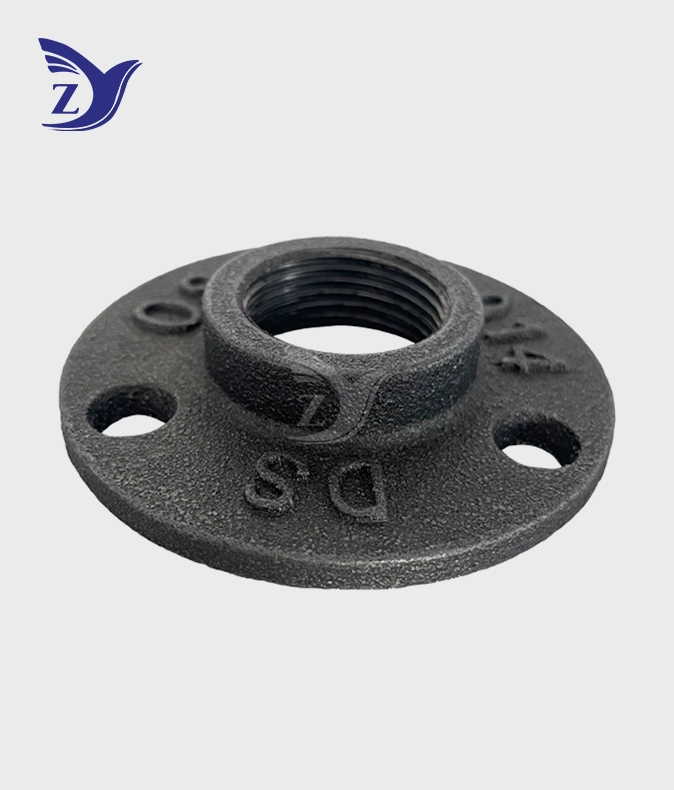
NPT Black Flange Pipe Fittings
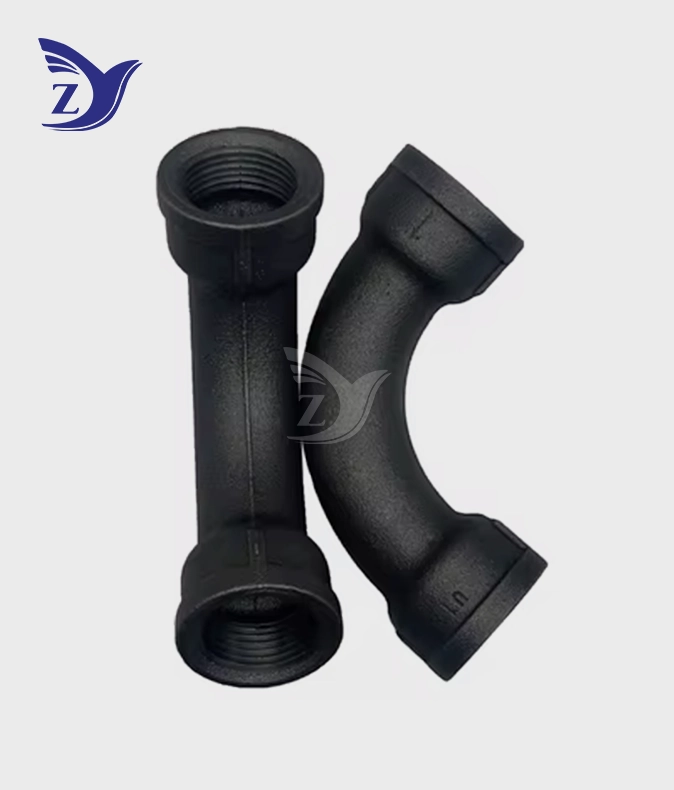
BSPT Black FxF 90° Long Bend Malleable Iron Pipe FittingsFittings
Threaded Mechanical Cross